Written by: Ruhi Abdali
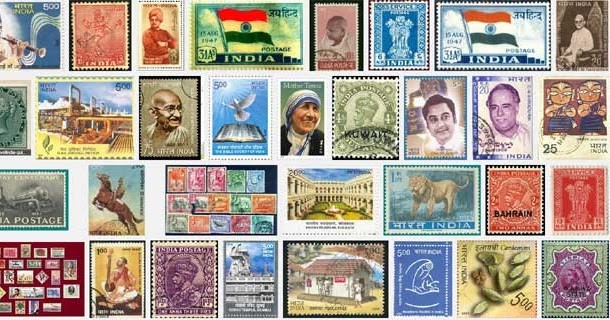
The captivating and enduring hobby of philately—the collection and study of postage stamps and other postal materials—offers a window into human history, art, and culture. For more than 180 years, these miniature works of art have served as a source of education, relaxation, and investment for millions of people worldwide. While a casual accumulator may simply gather stamps from the day’s mail, the dedicated philatelist approaches their collection with the meticulous eye of a historian and the passion of an art connoisseur.
The birth of a timeless hobby
The genesis of philately is inextricably linked to postal reform. Before the first adhesive postage stamp, the recipient of a letter was responsible for paying the postage, leading to frequent disputes. A landmark change occurred in 1840 when Great Britain introduced the Penny Black, the world’s first adhesive postage stamp. It featured a profile of Queen Victoria and signified a revolution in how mail was paid for. The sender now pre-paid for the service, making postal correspondence more reliable and affordable. This innovation quickly spread, with other nations like Brazil and Switzerland issuing their own stamps in 1843, and the United States following suit in 1847.
Almost immediately, people began to collect these new “postage stamp stickers”. Initially, the hobby was known by other names, like “timbromania” (stamp mania). The word “philately” was coined in 1864 by French collector Georges Herpin. He created the term from the Greek words philos, meaning “loving,” and ateleia, which signifies “exempt from tax or duties”. The new name reflected the essence of the hobby: a love for the stamps that rendered mail prepaid and free of charge to the recipient. This systematic and methodical approach to stamp collection distinguished the emerging field from the more casual “mania” that preceded it.
More than just a collection: The academic pursuit of philately
While the romantic notion of collecting colorful paper is often the initial draw, philately is a rigorous field of study that encompasses many specialized areas. As stamps evolved from simple tokens of postage to miniature canvases celebrating national identity, the scope of what a philatelist could study expanded exponentially.
Traditional philately
Traditional philately is the most academic branch of the hobby, focusing on the technical aspects of stamp production and identification. It is a discipline that requires close attention to detail and historical research. A traditional philatelist studies:
- Production Methods: The intricate processes behind a stamp’s creation, such as the printing method (engraving, typography, or lithography), the paper used (including its watermarks), and the type of gum.
- Perforations and Separation: The tiny holes, or perforations, around a stamp’s edges are a key area of study. Their number and size can differentiate between seemingly identical stamps, making a perforation gauge an essential tool.
- Overprints and Markings: The study of overprints (extra text or designs printed on a stamp) and cancellations (postal markings to deface a stamp and prevent reuse) provides clues about a stamp’s history and purpose.
- Errors and Varieties: Printing errors, such as the famous Inverted Jenny or misprinted colors, are among the most sought-after discoveries in traditional philately, turning an ordinary stamp into a valuable rarity.
Thematic or topical philately
For many, the subject matter depicted on the stamp is the primary focus. Thematic, or topical, collecting involves gathering stamps based on a specific subject, such as:
- Wildlife: Birds, animals, fish, or insects on stamps.
- History: Commemorative issues for specific historical events, famous people, or landmarks.
- Art and Culture: Stamps featuring famous paintings, architecture, or musical instruments.
- Technology and Science: Issues celebrating scientific milestones, modes of transport like trains and aircraft, or space exploration.
This approach makes the hobby accessible to anyone with an existing interest, using stamps as a visual and tangible encyclopedia for their chosen topic.
Postal history
Postal history focuses on the journey of a letter or postal item, rather than just the stamp itself. A postal historian investigates how a letter was moved from sender to recipient, studying factors like:
- Postmarks and Routes: Analyzing the postmarks, and the postal rates and regulations of the time, to trace a letter’s journey.
- Covers: Covers, or envelopes, are crucial artifacts. A cover with a stamp from a significant historical event, like the Pony Express, can be exceptionally valuable and offer unique historical insights.
- Aerophilately and Astrophilately: Specialized fields within postal history focus on mail transported by air (aerophilately) or related to space exploration (astrophilately).
Revenue philately and erinnophilia
Beyond postage, other forms of stamps also fall under the philatelic umbrella.
- Revenue stamps: These are used to collect taxes or fees on various goods and documents, from legal papers and alcohol to hunting licenses.
- Erinnophilia: The study of “Cinderella stamps”—labels, seals, or other objects that look like stamps but are not valid for postage—such as Easter or Christmas Seals, propaganda labels, or charity seals.
How to begin your philatelic journey?
Starting a stamp collection is simple and can begin with items already at home. For beginners, the process can be both enjoyable and affordable.
- Gathering your initial material: The most common starting point is to collect stamps from the mail you receive. Ask friends, family, and relatives living abroad to save stamps for you.
- Choosing a focus: Rather than attempting a complete world collection—an impossible feat given the sheer volume of stamps—select a focus. This could be a specific country, a particular time period, or a topical theme that interests you.
- Acquiring essential tools: To properly handle and preserve your collection, a few basic tools are necessary:
- Stamp tongs: Specialized tweezers for handling stamps safely, preventing damage from oils and dirt on your fingers.
- Magnifying glass: An essential tool for examining a stamp’s fine details, watermarks, and for identifying printing errors.
- Stamp album or stock book: A stock book with clear plastic strips is an excellent and cost-effective way for beginners to organize and store their collection.
- Stamp catalog: Catalogs are invaluable reference guides for identifying and learning about stamps. They can often be found at a local library.
- Proper handling and care: The condition of a stamp is paramount to its value. Always use tongs to handle stamps. When removing a stamp from an envelope, soak it carefully in cool water to avoid damage. Dry the stamps on a clean, absorbent surface and store them in a cool, dry, and dark place to protect them from moisture and light.
The lure of rare and valuable stamps
The thrill of discovering a rare or valuable stamp is a major driver for many collectors. Rarity often comes from printing errors, limited runs, or historical significance.
- Errors: A famous example is the Inverted Head 4 Annas stamp from India, where the Queen Victoria bust was accidentally printed upside down on a small number of 1854 stamps. Another is the 1918 U.S. Inverted Jenny, a 24-cent airmail stamp with a Curtiss JN-4 “Jenny” airplane printed upside down.
- Historical Significance: Some stamps command high prices due to their connection to a significant event or person. A strip of four 1948 Mahatma Gandhi stamps, overprinted with “SERVICE” for official use, sold for a record-breaking £500,000 in 2017.
- Limited Production: Stamps from short-lived or primitive postal services can also be very rare. India’s first adhesive stamp, the Scinde Dawk from 1852, was printed on delicate wax wafers that were easily destroyed. This fragility contributes to its scarcity today.
Notable philatelists
Throughout history, countless individuals from all walks of life have been captivated by stamps. Their collections have not only been personal treasures but have also advanced the scholarly understanding of postal history.
- Royalty: King George V of Great Britain was a devoted and knowledgeable philatelist, amassing a world-renowned collection that passed to succeeding British monarchs.
- Celebrities: The world of philately includes some surprising names, such as Queen frontman Freddie Mercury, former Beatles drummer Ronnie Wood, tennis star Maria Sharapova, and actress Ayn Rand.
- Notable Indian Philatelists: Indian philately has its own legends, including Sir David Parkes Masson, a founder of the Philatelic Society of India, and Jal Manekji Cooper, a renowned expert and author of many philatelic handbooks.
Philately in the digital age: An evolving hobby
With the decline of traditional mail and the rise of digital communication, some have questioned the relevance of stamp collecting. However, the hobby has evolved and adapted to the modern era, rather than fading away.
- Online Communities and Marketplaces: Digital platforms and auction websites like eBay have expanded the market, making stamps from all over the world more accessible to a global community of collectors.
- Digital Resources: Online catalogs, forums, and resources allow for the instant exchange of information and expertise, connecting philatelists across geographic boundaries.
- Thematic Expansion: Thematic collecting remains robust, as stamps continue to be issued on an endless variety of topics.
- Personalization: Post offices around the world, like India Post with its “My Stamp” service, have embraced modern trends by allowing individuals to personalize postage stamps with their own photos, creating new and personalized collectibles.
- Adapting to Change: As traditional postal services are used less, the focus of philately is shifting toward commemorative stamps, postal history, and specialized areas. This adaptability ensures the hobby’s longevity.
Conclusion
Philately, the “king of hobbies,” is a timeless pursuit that combines the quiet joy of collecting with the intellectual rigor of historical research. From the simple act of soaking a stamp off an envelope to the thrill of a rare discovery, it offers a layered experience that is both entertaining and educational. It connects people to moments in history, to the natural world, and to cultures far and wide, all within the tiny, perforated border of a postage stamp. While the world continues its rapid evolution, the enduring charm of philately ensures that these miniature messengers of history will captivate collectors for generations to come.