Introduction: The Return of Traditional Fats
For decades, the word fat has been vilified in the nutrition world. Butter was banished, lard was shunned, and tallow—especially beef tallow—was practically forgotten. But as more people revisit ancestral diets, explore natural skincare, and crave flavor over fads, beef tallow has made a surprising comeback.
This once-humble cooking fat, a staple in traditional kitchens, is now being rediscovered as a nutrient-dense, sustainable alternative to processed seed oils. From sizzling steaks to skincare routines, beef tallow is showing up everywhere.
In this article, we’ll dive deep into what beef tallow actually is, how it’s made, its health implications, culinary uses, and even its modern skincare renaissance. Let’s explore why this age-old fat is having such a moment.
What Exactly Is Beef Tallow?
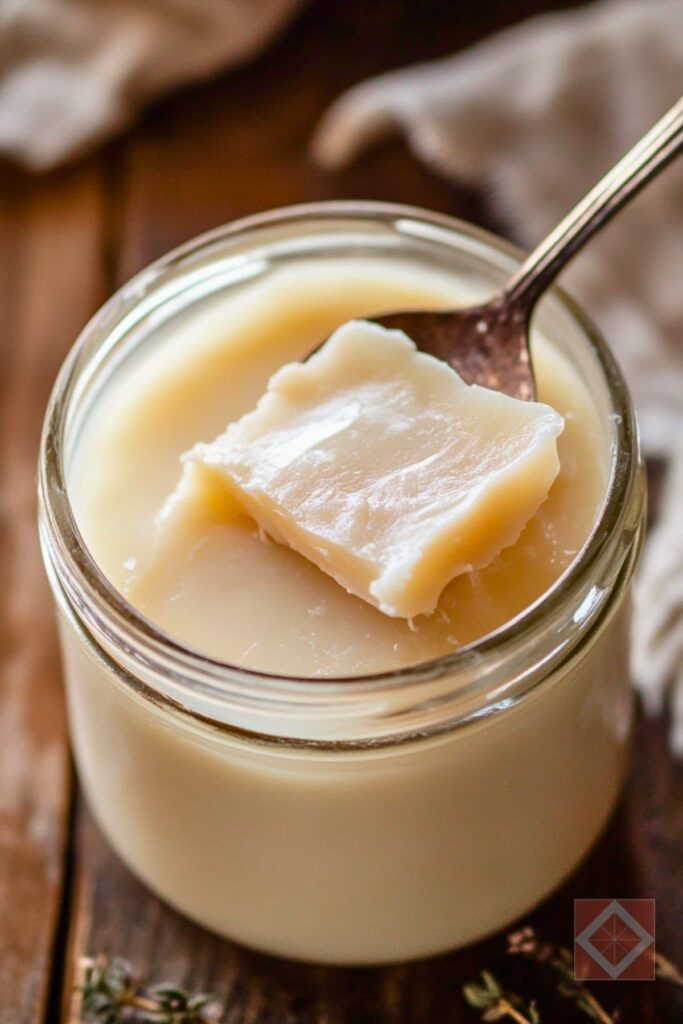
Beef tallow is rendered fat from cattle—specifically the hard fat (called suet) found around the kidneys and loins. When gently heated, the fat melts down, impurities are removed, and the result is a smooth, shelf-stable fat that solidifies at room temperature.
Historically, beef tallow was used for everything: frying, baking, candles, soap, and even lubricating machinery. Before the rise of industrial seed oils, it was a kitchen staple.
Its versatility and long shelf life made it indispensable. A jar of tallow could last months without refrigeration, and its high smoke point (around 400°F / 205°C) made it ideal for high-heat cooking long before “avocado oil” became trendy.
How Is Beef Tallow Made?
Rendering beef tallow is both an art and a science. Traditionally, it’s made by slowly heating beef suet over low heat until the fat liquefies. The liquid fat is then strained to remove any connective tissue or impurities and left to cool into a creamy white solid.
Here’s the basic process:
- Source quality fat: Usually grass-fed beef suet.
- Chop into small pieces: The smaller, the faster it renders.
- Slow heat: Simmer gently (or bake at low heat) until the fat turns to liquid.
- Strain: Remove any bits of meat or gristle.
- Cool and store: Once solid, store in jars in a cool, dry place.
The result? A mild, creamy fat that smells faintly meaty when warm but neutral once cooled.
Nutritional Profile of Beef Tallow
Beef tallow is predominantly fat, with virtually no carbohydrates or protein. But not all fats are equal.
- Saturated fats (≈50%): Provide stability for cooking and support hormone health.
- Monounsaturated fats (≈40%): The same heart-healthy fat found in olive oil.
- Polyunsaturated fats (≈4%): Minimal amounts, making tallow resistant to oxidation.
Grass-fed beef tallow also contains:
- Vitamins A, D, E, and K: Fat-soluble vitamins that support skin, immunity, and bone health.
- Conjugated Linoleic Acid (CLA): Linked to reduced inflammation and better metabolic health.
- Stearic acid: A type of saturated fat thought to be neutral or even beneficial for cholesterol.
Is Beef Tallow Healthy?
The big question—and the one that keeps nutritionists divided—is whether beef tallow is healthy.
For years, saturated fats were blamed for raising LDL cholesterol and increasing heart disease risk. As a result, tallow and butter were replaced by hydrogenated vegetable oils and margarine. But modern studies are reframing that narrative.
Here’s what the research says:
- Not all saturated fats are harmful: Emerging evidence shows that stearic acid (found in beef tallow) does not raise LDL cholesterol like trans fats do.
- Beef tallow supports nutrient absorption: Vitamins A, D, E, and K need fat for absorption, and tallow is an excellent carrier.
- Seed oils vs. animal fats: Highly processed seed oils (canola, soybean, sunflower) can oxidize under heat, releasing free radicals. Beef tallow, by contrast, remains stable even at high temperatures.
Of course, balance is key. A diet high in processed meats and refined carbs alongside large amounts of saturated fat isn’t ideal. But in a whole-food, nutrient-dense diet, beef tallow can absolutely have a place.
The Revival of Beef Tallow in Modern Diets
Walk into any modern kitchen that follows paleo, keto, or carnivore diets, and you’ll likely spot a jar of beef tallow.
It’s prized for being:
- Stable: Doesn’t go rancid easily.
- Nutrient-rich: Especially when sourced from grass-fed cattle.
- Flavorful: Adds richness without overpowering.
Even top chefs and restaurants are returning to traditional fats like beef tallow for deep frying because it enhances texture and taste. (Fun fact: McDonald’s originally fried their fries in beef tallow until the 1990s!)
On Riya’s Blogs, where we often explore natural and mindful living, beef tallow fits perfectly into the idea of returning to roots—using wholesome, minimally processed ingredients that have nourished humans for centuries.
Culinary Uses of Beef Tallow
If you think beef tallow is just for frying, think again. Its versatility extends across cuisines and cooking styles.
1. Frying and Sautéing
Because of its high smoke point, beef tallow is perfect for deep-frying, shallow-frying, or searing steaks. It gives food a crisp, golden crust and a depth of flavor vegetable oils can’t match.
2. Roasting Vegetables
Try tossing potatoes or root veggies in melted tallow before roasting—they’ll come out irresistibly crispy and rich.
3. Baking Savory Dishes
In place of butter or shortening, beef tallow can be used in savory pie crusts or biscuits for a unique flavor and flaky texture.
4. Seasoning Cast Iron Pans
Beef tallow is fantastic for maintaining cast iron cookware—it creates a natural non-stick coating.
5. Homemade Beef Tallow French Fries
One taste of fries cooked in beef tallow and you’ll understand why old-school diners swore by it. The fries turn out perfectly crispy on the outside, fluffy inside, and infused with a hint of umami.
Beef Tallow Beyond the Kitchen: Skincare and Beauty
Surprisingly, beef tallow isn’t just making waves in cooking—it’s also becoming a skincare favorite.
Because beef tallow’s fatty acid profile closely resembles that of human skin’s sebum, it’s highly biocompatible. When rendered and purified properly, it becomes a gentle moisturizer that nourishes rather than clogs pores.
Benefits for skin include:
- Deep hydration for dry or sensitive skin.
- Rich source of vitamin E and antioxidants.
- Promotes skin barrier repair.
- Free of synthetic fragrances and chemicals.
Many small-batch skincare brands are now creating tallow balms, soaps, and lotions marketed as natural alternatives to petroleum-based moisturizers. Some even claim tallow helps eczema, psoriasis, and rosacea—though scientific studies are still limited.
If you’re into DIY beauty, whipping up a simple tallow balm with lavender essential oil or calendula is both nourishing and sustainable.
Sustainability and Ethical Sourcing
Beef tallow is also making a mark in the sustainability conversation.
Rendering tallow from cattle fat reduces waste from the meat industry. Instead of discarding suet, it’s transformed into a usable product—whether for cooking, soap-making, or biofuel.
When sourced from grass-fed, pasture-raised cattle, beef tallow also aligns with regenerative agriculture principles. Grass-fed animals often live in healthier ecosystems that restore soil and biodiversity.
So, while tallow is an animal product, its responsible sourcing can contribute to a more circular food economy—turning what might be waste into nourishment.
Common Myths About Beef Tallow
Let’s debunk some popular misconceptions:
- “It’s unhealthy because it’s saturated fat.”
Not all saturated fats are harmful. The context of your diet matters far more than a single ingredient. - “It tastes too strong.”
Properly rendered beef tallow has a neutral taste—especially from grass-fed sources. - “It’s outdated.”
Far from it. Many chefs and nutritionists now prefer traditional fats like beef tallow over ultra-processed alternatives. - “It clogs arteries.”
This outdated myth originated from early, oversimplified research. Current science emphasizes that inflammation, sugar, and trans fats are far more damaging to cardiovascular health.
How to Store and Use Beef Tallow
One of the best things about beef tallow is its longevity.
Storage Tips:
- Store in an airtight container, away from sunlight.
- Lasts up to a year in a cool pantry, or longer in the refrigerator.
- Avoid introducing moisture—it can cause spoilage.
Usage Tips:
- Reuse tallow used for frying a few times, but strain it after each use.
- Combine with butter or ghee for extra flavor when cooking.
- Melt small amounts and drizzle over popcorn for a savory twist!
Comparing Fats: Tallow vs. Others
| Fat Type | Smoke Point | Flavor | Stability | Best For |
| Beef Tallow | ~400°F (205°C) | Mild, savory | Excellent | Frying, roasting |
| Butter | ~300°F (150°C) | Rich, sweet | Moderate | Baking, sautéing |
| Coconut Oil | ~350°F (175°C) | Sweet, nutty | Good | Baking, light frying |
| Olive Oil | ~375°F (190°C) | Fruity | Moderate | Low-heat cooking |
| Canola Oil | ~400°F (205°C) | Neutral | Poor (oxidizes fast) | Frying (short-term) |
Clearly, beef tallow holds its own, especially for high-heat cooking and long shelf life.
Who Should Avoid Beef Tallow?

While beef tallow can fit into most diets, certain individuals may need to moderate or avoid it:
- People with high LDL cholesterol who are sensitive to saturated fats.
- Vegans or vegetarians who avoid animal products.
- Those with allergies to beef proteins (rare, but possible).
As always, moderation and medical guidance are key. Incorporate beef tallow into a balanced diet rich in fiber, vegetables, and lean proteins.
How to Choose the Best Beef Tallow
When buying beef tallow, quality matters. Look for:
- Grass-fed and pasture-raised: These have higher levels of CLA and omega-3s.
- Non-hydrogenated: Avoid hydrogenated tallow, which can contain trans fats.
- Unrefined and pure: The less processed, the better.
Brands often sell tallow in jars, tubs, or blocks. You can also make it yourself at home—it’s surprisingly easy and rewarding.
The Cultural History of Beef Tallow
In older generations, beef tallow wasn’t just food—it was a household essential.
Victorians used it to make candles and soap. Cowboys fried in it over open fires. World War II even saw tallow used in industrial lubricants and explosives.
Today, it’s seeing a renaissance—not just among traditionalists but also in wellness circles that value nose-to-tail eating and sustainable living.
It’s remarkable how something once considered “old-fashioned” is now celebrated as ancestral wisdom reawakened.
Conclusion: The Revival of a Forgotten Fat
Beef tallow has completed a fascinating full circle—from everyday necessity to outdated relic and back to modern super-fat.
In our rush toward industrial oils and processed foods, we lost touch with the simple, natural ingredients that sustained humanity for centuries. But with the rediscovery of beef tallow, we’re reminded that sometimes, the best nutrition is found not in novelty but in tradition.
Whether you’re a foodie, skincare enthusiast, or sustainability advocate, there’s something deeply grounding about embracing this wholesome fat again.
At Riya’s Blogs, we believe in celebrating ingredients that are real, time-tested, and good for both people and the planet—and beef tallow is a perfect example of that philosophy.
Key Takeaway
Beef tallow isn’t just a cooking fat—it’s a symbol of rediscovering balance. It nourishes, heals, and connects us back to traditions where nothing was wasted and everything had purpose.
So next time you reach for an oil bottle, consider the creamy jar of tallow sitting quietly on your shelf—it might just be the most underrated ingredient in your kitchen.
Want to read a bit more? Find some more of my writings here-
Wheel of Time TV Show vs. Books: What Amazon Changed
I hope you liked the content.
To share your views, you can simply send me an email.
Thank you for being keen readers to a small-time writer.