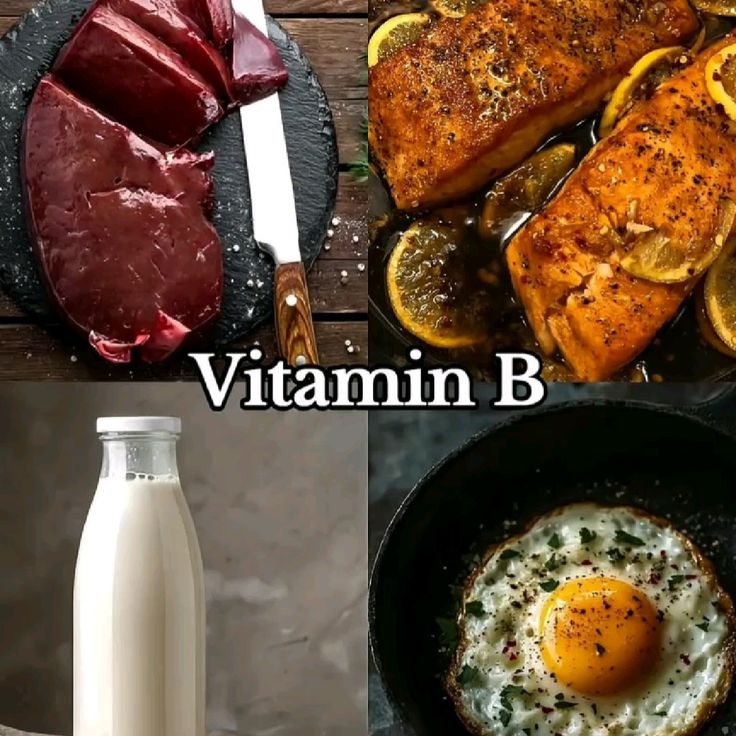
When people talk about vitamins, it’s usually vitamin C for immunity or vitamin D for bones that take the spotlight. But there’s one group quietly powering nearly every essential process in your body — from the way you think to the way you digest food. Meet vitamin B — or rather, the vitamin B complex, the powerhouse collection of nutrients that deserve far more attention than they get.
At Riya’s Blogs, we love exploring the connections between food, wellness, and lifestyle. And when it comes to everyday vitality, vitamin B plays a starring role — not flashy, but fundamental. So let’s dive deep into what makes this family of vitamins so special, how you can get enough of them, and what happens when your body starts missing out.
🧬 What Exactly Is Vitamin B?
Here’s something most people don’t realize — vitamin B isn’t just one nutrient. It’s actually a group of eight distinct vitamins, collectively known as the B complex. Each member of the vitamin B family performs a different yet complementary function in keeping your body and brain running smoothly.
Together, they help convert food into energy, maintain nerve function, support brain health, and ensure that your skin, hair, and nails stay healthy.
Let’s meet the team:
- Vitamin B1 (Thiamine): Helps convert carbohydrates into energy and supports nerve and muscle function.
- Vitamin B2 (Riboflavin): Important for energy production and cellular function; also acts as an antioxidant.
- Vitamin B3 (Niacin): Aids in metabolism, skin health, and even helps manage cholesterol levels.
- Vitamin B5 (Pantothenic Acid): Essential for hormone production and energy metabolism.
- Vitamin B6 (Pyridoxine): Vital for brain health, mood regulation, and red blood cell production.
- Vitamin B7 (Biotin): Known for promoting healthy hair, skin, and nails.
- Vitamin B9 (Folate or Folic Acid): Crucial for DNA synthesis and especially important during pregnancy.
- Vitamin B12 (Cobalamin): Essential for red blood cell formation, nerve health, and energy metabolism.
Each type of vitamin B has its own personality and purpose — and when they come together, they form a synergy that’s essential for total well-being.
⚡ Why Vitamin B Matters: The Foundation of Energy and Focus
We often hear people say, “I’m so tired all the time,” or “I can’t concentrate lately.” More often than not, vitamin B deficiency could be playing a role.
Unlike caffeine, which gives you a temporary buzz, vitamin B provides real energy — the cellular kind. It helps your body metabolize carbohydrates, fats, and proteins into usable fuel. Without it, you may feel fatigued even if you’re eating well.
- Vitamin B1, B2, and B3 are especially important for this energy conversion process.
- Vitamin B5 supports adrenal function — your body’s stress-management system.
- Vitamin B6 and B12 keep your brain sharp and your mood stable.
If you constantly feel drained despite sleeping and eating right, it might be your body’s way of whispering, “I need more vitamin B.”
🧠 Vitamin B and Brain Health
Your brain is like a high-performance engine — and vitamin B is its oil. Without enough of it, the system starts misfiring.
1. Boosting Mood and Combating Stress
Vitamin B6, B9, and B12 help synthesize neurotransmitters like serotonin and dopamine — the chemicals responsible for mood regulation and happiness. Low levels of these vitamins are linked to depression, anxiety, and brain fog.
2. Protecting Cognitive Function
Vitamin B12, in particular, plays a huge role in preventing cognitive decline. Research shows that maintaining adequate B12 and folate levels may reduce the risk of Alzheimer’s and dementia in older adults.
3. Improving Concentration and Memory
If your focus seems to fade faster than usual, vitamin B might help. B-complex vitamins, especially B6 and B12, aid in the production of myelin — the protective sheath around nerves that ensures quick communication between brain cells.
Simply put, vitamin B keeps your mind clear, your mood balanced, and your mental gears well-oiled.
💪 The Role of Vitamin B in Physical Health
Beyond brain power, vitamin B supports countless processes across your entire body.
1. Healthy Red Blood Cells
Vitamin B12 and folate are essential for red blood cell production. When levels drop, your body can’t make enough — leading to anemia, fatigue, and shortness of breath.
2. A Strong Immune System
B6 plays a key role in producing antibodies that fight infection. A deficiency could weaken your immune defense, making you more prone to getting sick.
3. Hormonal Balance
Pantothenic acid (B5) helps regulate hormones, particularly stress-related ones like cortisol. That’s why vitamin B supplements are sometimes recommended for those dealing with adrenal fatigue or chronic stress.
4. Digestive and Skin Health
B2 and B3 improve digestion, while biotin (B7) supports healthy skin and hair. Ever noticed brittle nails or dull hair? You might just need more vitamin B7.
🥗 Where to Get Vitamin B Naturally
Now comes the big question — how do you make sure you’re getting enough vitamin B in your daily life?
The good news: vitamin B is widely available in foods. The not-so-good news: many modern diets — especially those high in processed foods — tend to lack it.
🥩 Animal-Based Sources
- Vitamin B12: Found mainly in meat, eggs, dairy, and fish (like salmon, tuna, and clams).
- B2 and B3: Present in chicken, turkey, beef liver, and dairy.
- B6: Common in poultry, chickpeas, and potatoes.
🌱 Plant-Based Sources
For vegetarians and vegans, vitamin B can be a little trickier to obtain naturally — especially B12. But you can still get plenty through smart food choices:
- Leafy greens (spinach, kale): Rich in folate (B9).
- Whole grains (brown rice, oats): Contain B1, B2, and B3.
- Legumes (lentils, chickpeas, black beans): Provide folate and B6.
- Nuts and seeds: Excellent for biotin (B7) and niacin (B3).
- Fortified foods: Many plant milks, cereals, and nutritional yeasts are enriched with B12.
Tip: If you’re vegan or vegetarian, consider adding a B12 supplement or fortified nutritional yeast to your diet — it’s one of the few reliable plant-friendly sources.
💊 Vitamin B Supplements: When and Why You Might Need Them
While a balanced diet should ideally provide all the vitamin B you need, certain people may benefit from supplements — especially those with dietary restrictions or health conditions.
You might consider a vitamin B complex supplement if you:
- Are vegetarian or vegan (especially for B12)
- Are pregnant or trying to conceive (need extra folate)
- Are over 50 (absorption of B12 decreases with age)
- Have digestive issues (like Crohn’s or celiac disease)
- Consume a lot of alcohol (alcohol interferes with B absorption)
- Experience chronic fatigue, mood swings, or nerve issues
Pro tip: Always consult your doctor before starting any supplement — because too much of certain B vitamins (like niacin or B6) can have side effects.
⚠️ Vitamin B Deficiency: Symptoms You Should Never Ignore
A lack of vitamin B doesn’t just make you “a little tired.” Over time, it can cause serious issues across multiple systems.
Common Symptoms Include:
- Fatigue and weakness
- Pale skin or anemia
- Tingling or numbness in hands and feet (B12 deficiency neuropathy)
- Cracked lips or mouth sores (B2 deficiency)
- Poor memory or confusion
- Depression, anxiety, or irritability
- Hair loss and brittle nails (biotin deficiency)
Deficiency symptoms often develop gradually, which makes them easy to miss. Regular blood tests — especially for vitamin B12 and folate — can help you catch it early.
👶 Vitamin B During Pregnancy
If there’s ever a time when vitamin B becomes absolutely essential, it’s during pregnancy.
Folate (B9)
This vitamin helps form the baby’s neural tube — the structure that later becomes the brain and spinal cord. A deficiency in early pregnancy can lead to serious birth defects like spina bifida.
That’s why doctors recommend that all women who are pregnant or planning to conceive take 400–800 mcg of folic acid daily.
Vitamin B12
B12 also supports brain development in infants. Low levels during pregnancy can lead to developmental delays and complications.
Ensuring you have adequate vitamin B intake before and during pregnancy can make a lifelong difference in your baby’s health.
🌿 Lifestyle Factors That Deplete Vitamin B
Even if you’re eating well, certain habits and lifestyle factors can drain your vitamin B levels faster than you might think:
- Stress: Chronic stress uses up B vitamins, especially B5 and B6, which are critical for managing cortisol.
- Alcohol: It blocks absorption and depletes existing B vitamins.
- Caffeine: Excessive coffee or tea can flush B vitamins from your system.
- Refined carbs and processed foods: They lack natural B vitamins found in whole grains.
- Certain medications: Birth control pills, antacids, and diabetes medications can reduce vitamin B absorption.
So while supplements can help, lifestyle balance is equally important — mindful eating, proper sleep, and moderate stress management all help preserve your vitamin B stores.
🌞 Fun Fact: Vitamin B and Beauty
Beauty from within — it’s not just a saying. Your hair, skin, and nails thrive on vitamin B.
- Biotin (B7): Known as the “beauty vitamin,” biotin strengthens hair and nails and promotes glowing skin.
- Niacin (B3): Improves skin texture and hydration — it’s even used in skincare products for brightening.
- Riboflavin (B2): Helps reduce acne and inflammation.
Many people notice improvements in skin clarity and hair growth after a few months of consistent vitamin B intake — either from diet or supplements.
🧩 Can You Take Too Much Vitamin B?
Since vitamin B is water-soluble, your body excretes excess amounts through urine, which means toxicity is rare. However, megadoses of certain types (like niacin or B6) can cause side effects.
- Too much B6 can lead to nerve damage or numbness.
- Excess niacin can cause skin flushing and liver issues.
That’s why moderation — and medical guidance — matters. Stick to the recommended dietary allowances (RDAs) unless your doctor prescribes otherwise.
🧘 Vitamin B for Mental Wellness and Modern Life
We live in a fast-paced world where stress, processed foods, and exhaustion have become the norm. The B vitamins, though often overlooked, are your body’s natural defense against this modern fatigue.
They boost energy without stimulants, support clear thinking, and even stabilize mood swings — all without any caffeine crash or sugar spike.
Think of vitamin B as your body’s resilience vitamin — quietly helping you cope with stress, focus better at work or study, and recover faster from burnout.
🌍 Vitamin B and Sustainable Health
From a sustainability angle, getting enough vitamin B doesn’t require fancy superfoods or exotic supplements. It’s about going back to basics — whole foods, balanced meals, and mindful living.
- Choose whole grains over refined.
- Include leafy greens and legumes regularly.
- Add nuts, seeds, and fortified plant foods if you’re vegetarian.
- Avoid excessive alcohol and processed snacks.
Sustainable wellness isn’t just about what we remove — it’s about what we replenish. And vitamin B is the perfect example of that.
💡 Final Thoughts: The Power of Vitamin B
If there’s one thing to take away, it’s this: vitamin B is not optional. It’s the foundation of your body’s energy, mood, focus, and health. Whether you’re a busy student, an athlete, a professional, or simply someone striving for better wellness, vitamin B is your best ally.
As Riya’s Blogs often reminds its readers — health isn’t about short-term fixes but sustainable habits. Nourish your body with the right nutrients, stay mindful of what you eat, and give your system the fuel it deserves.
So next time you reach for your morning coffee or skip breakfast, pause for a moment. Your body might just be whispering, “Feed me some vitamin B.”
Key Takeaway
- Vitamin B is a family of eight essential nutrients vital for energy, brain function, and overall health.
- Deficiency can affect mood, concentration, and immunity.
- Balanced diets and lifestyle choices can naturally keep your vitamin B levels strong.
Want to read a bit more? Find some more of my writings here-
Emotional Intelligence (EQ): What It Really Means and How to Build It in Daily Life
Where the Pain Sleeps Lightly: A Poem About the Hurt That Wakes With You
75+ Funny Christmas Quotes to Make the Holidays Less Serious and Way More Fun
I hope you liked the content.
To share your views, you can simply send me an email.
Thank you for being keen readers to a small-time writer.