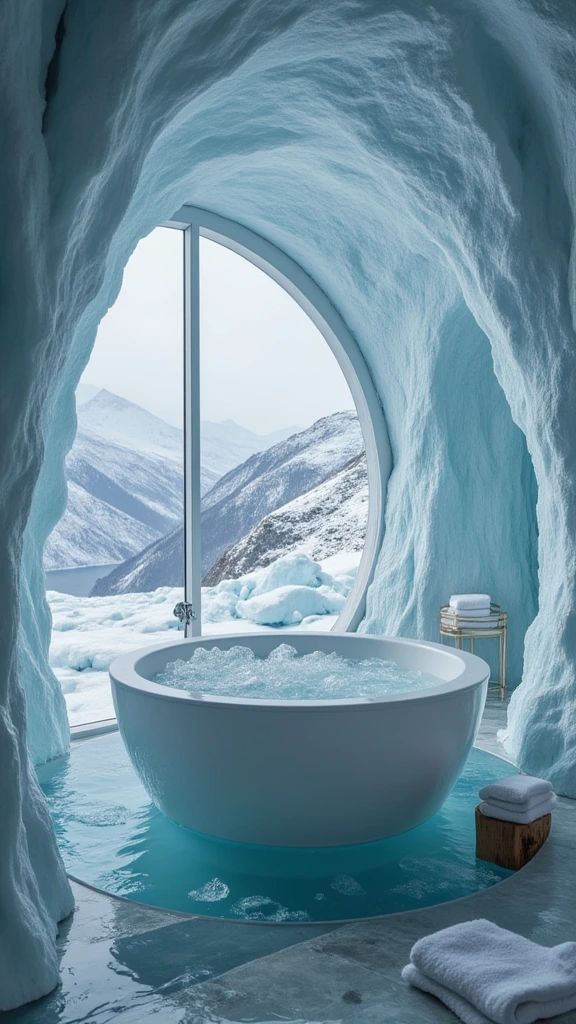
If you’ve ever seen athletes plunging into tubs filled with freezing water after a workout, you’ve probably wondered — why would anyone willingly do that to themselves? The answer lies in a centuries-old recovery technique that has recently taken social media by storm: the ice bath.
From elite athletes to wellness influencers, more people are turning to ice baths as a way to boost recovery, reduce inflammation, and even improve mood. But what’s the real science behind this chilly trend? Is it all hype, or does it truly offer tangible health benefits?
Let’s take a deep dive — pun intended — into everything you need to know about ice baths, from how they work and their physiological benefits to how to do them safely. This comprehensive guide from Riya’s Blogs will help you decide whether an icy plunge deserves a spot in your wellness routine.
🌊 What Is an Ice Bath?
An ice bath — also known as cold-water immersion — involves submerging your body (typically up to the chest) in cold water that’s usually between 50°F to 59°F (10°C to 15°C) for a short period of time, typically 5 to 15 minutes.
The goal? To expose your body to cold stress that triggers a host of physiological responses — from constricting blood vessels to reducing muscle soreness and inflammation.
It’s not new, either. Cold therapy has been around for centuries. The ancient Greeks and Romans used cold water for physical recovery and mental rejuvenation. Today, it’s used in sports medicine, physiotherapy, and wellness circles for its potential benefits on body and mind.
🧠 The Science Behind Ice Baths
When you lower your body temperature through an ice bath, a few key things happen:
1. Vasoconstriction and Reduced Inflammation
Cold exposure causes your blood vessels to constrict, which reduces blood flow to muscles and helps minimize inflammation and swelling. Once you step out, your blood vessels dilate again, flushing out metabolic waste and promoting circulation — almost like a natural detox cycle.
2. Reduced Muscle Damage
During intense workouts, micro-tears form in your muscle fibers, leading to soreness (that all-too-familiar DOMS — Delayed Onset Muscle Soreness). An ice bath may help reduce this microtrauma and accelerate recovery, allowing athletes to train more frequently and effectively.
3. Nervous System Reset
Cold exposure activates your sympathetic nervous system, increasing alertness and releasing norepinephrine — a hormone associated with focus, energy, and mood regulation.
4. Pain Relief
The numbing effect of cold water decreases nerve transmission speed, which temporarily reduces pain perception. That’s why you often feel lighter or less achy after an ice bath.
5. Endorphin Release
When your body endures cold stress, it releases endorphins — the same “feel-good” hormones that come from exercise. This contributes to the sense of mental clarity and euphoria many people report after a plunge.
💪 Top Benefits of Ice Baths
Let’s explore the most commonly reported benefits of ice baths — and what the science says about each.
1. Faster Muscle Recovery
After strenuous exercise, especially endurance training or heavy lifting, lactic acid builds up in muscles, contributing to fatigue. Ice baths help reduce lactic acid accumulation and muscle inflammation, promoting quicker recovery.
Research Insight:
A 2017 meta-analysis published in Frontiers in Physiology found that cold-water immersion can significantly reduce muscle soreness up to 96 hours post-exercise.
2. Improved Circulation
Alternating between cold (vasoconstriction) and warm (vasodilation) environments helps stimulate blood flow. Over time, this can support cardiovascular health and improve nutrient delivery throughout the body.
3. Boosted Immune Response
Regular exposure to cold water has been linked to increased production of white blood cells, which help defend the body against infections. Some studies even suggest that habitual cold exposure can make you more resilient to illness.
4. Mental Health and Mood
Many people use ice baths not just for physical recovery but also for mental wellness. The initial shock of cold water activates the vagus nerve, helping regulate mood and stress response.
Users often describe feeling “reset” or “rejuvenated” after a session — a natural antidepressant effect.
Fun fact: Wim Hof, known as “The Iceman,” popularized the practice of combining breathing techniques with cold exposure for mental resilience and emotional balance.
5. Better Sleep
Cold therapy can lower core body temperature, helping signal to your body that it’s time to rest. Some users report deeper and more restorative sleep after a post-evening ice bath session.
6. Enhanced Skin and Hair Health
Cold water tightens pores, improves skin tone, and boosts circulation to the scalp, promoting stronger hair and a healthy glow. It’s an underrated beauty hack!
⚖️ Ice Baths vs. Other Recovery Methods
| Method | Primary Focus | Best For | Key Benefit |
| Ice Bath | Cold-water immersion | Athletes, sore muscles | Reduces inflammation and speeds recovery |
| Contrast Therapy | Alternating hot & cold water | Circulation improvement | Flushes toxins and boosts metabolism |
| Cryotherapy | Exposure to extreme cold air (-200°F) | Quick full-body exposure | Reduces pain and inflammation in minutes |
| Compression Therapy | Air pressure-based recovery boots | Post-workout recovery | Increases venous return, reduces swelling |
| Massage Therapy | Manual manipulation | Tension relief | Relieves stiffness and promotes relaxation |
While ice baths aren’t the only way to recover, they offer a unique combination of physical and psychological benefits that few methods can match — especially when paired with proper nutrition and rest.
🧊 How to Take an Ice Bath (Step-by-Step)
If you’re ready to give it a try, here’s how to do it safely and effectively:
Step 1: Prepare Your Setup
You can use a bathtub, a large container, or even specialized cold plunge tubs available on the market. Fill it halfway with cold water, then add ice — typically 20 to 40 pounds depending on the water volume.
Step 2: Check the Temperature
The optimal range for most people is 50°F–59°F (10°C–15°C). Beginners can start around 60°F and lower gradually over time as tolerance builds.
Step 3: Set a Timer
Start with 3–5 minutes and gradually work your way up to 10–15 minutes. Avoid pushing your limits too far — more isn’t always better.
Step 4: Focus on Breathing
The shock of the cold will make you gasp, but controlled breathing is key. Deep, slow breaths calm your nervous system and help your body adapt to the cold.
Step 5: Warm Up After
After the bath, gently pat yourself dry and warm up with a cozy blanket or light movement. Avoid jumping straight into a hot shower — allow your body to reheat naturally for the best effect.
⚠️ Safety Tips and Precautions
While ice baths can be safe for most people, they’re not suitable for everyone. Keep these precautions in mind:
- Avoid if you have cardiovascular issues like high blood pressure, arrhythmia, or heart disease.
- Don’t stay in too long. Overexposure can lead to hypothermia or frostbite.
- Never go in alone. Especially for beginners — always have someone nearby.
- Listen to your body. If you start to feel dizzy, numb, or faint, get out immediately.
- Avoid alcohol before or after — it impairs your body’s temperature regulation.
🧬 The Mental Edge: How Ice Baths Build Resilience
Beyond the physical recovery benefits, ice baths are a powerful mental training tool. When you voluntarily expose yourself to discomfort, you strengthen your ability to stay calm under stress.
This concept is often described as “hormetic stress” — small doses of stress that make you stronger over time. Similar to exercise or fasting, cold exposure pushes your body just enough to trigger adaptation and resilience.
Many entrepreneurs, athletes, and even mental health advocates use ice baths as a daily ritual — not just for the body, but for the mind. It’s a simple act of discipline that can ripple into every part of life.
As Riya’s Blogs puts it, “Cold water teaches courage.” It’s not just about recovery — it’s about rewiring your response to challenge.
🧘♀️ Combining Ice Baths with Breathwork and Meditation
For maximum benefit, try pairing your ice bath sessions with mindfulness practices like:
- Box Breathing (4-4-4-4): Inhale for 4 seconds, hold for 4, exhale for 4, and hold again.
- Wim Hof Breathing: Deep rhythmic breaths followed by breath holds, designed to increase oxygen and prepare your body for cold.
- Post-bath Meditation: Use the calm afterward to meditate or visualize — your body is in a state of heightened presence and awareness.
This combination amplifies the mental benefits, leaving you refreshed, focused, and deeply grounded.
🧍♂️ How Often Should You Take Ice Baths?
There’s no one-size-fits-all answer, but here’s a general guideline:
- Beginners: 1–2 times per week
- Athletes or regular exercisers: 3–4 times per week post-training
- Mental or mood benefits: Daily short plunges (2–3 minutes)
Consistency matters more than intensity. You don’t need to endure freezing temperatures every day — even moderate exposure can yield long-term benefits.
🌅 When’s the Best Time for an Ice Bath?
- After Exercise: Ideal for muscle recovery and soreness reduction.
- In the Morning: Great for an energy and focus boost.
- Before Bed: Can help with sleep, but timing matters — leave at least an hour between your plunge and bedtime so your body can warm up naturally.
🧊 DIY Ice Bath vs. Professional Cold Plunge
| Aspect | DIY Ice Bath | Cold Plunge Tub |
| Cost | Low (just ice + tub) | High ($500–$5,000) |
| Setup Time | 10–15 minutes | Instant |
| Temperature Control | Manual | Automatic |
| Maintenance | Needs regular cleaning | Built-in filtration |
| Best For | Beginners | Dedicated users and wellness enthusiasts |
If you’re serious about incorporating cold therapy into your lifestyle, investing in a regulated cold plunge tub can make the process easier and more consistent. But a simple bucket of ice water works just as well to start.
🩺 What Does Research Say About Ice Baths?
While anecdotal evidence abounds, science is still catching up. Some studies show clear benefits in reducing soreness and inflammation, while others find minimal difference compared to active recovery methods like stretching or walking.
However, the psychological benefits — improved mood, mental clarity, and reduced stress — are well-documented and consistently supported by research on cold exposure and neurochemical response.
In short: even if the physical recovery gains are modest, the mental and emotional uplift from an ice bath may be reason enough to include it in your wellness toolkit.
🌬️ The Future of Cold Therapy
With the rise of biohacking, wellness apps, and personalized recovery plans, ice baths are no longer reserved for elite athletes. They’re part of a growing global movement toward holistic health — merging science, mindfulness, and discipline.
From cryo chambers to portable plunge tubs, innovation continues to make cold exposure more accessible and efficient. But no matter how advanced the tools get, the principle remains beautifully simple: embrace the cold, and it will change you.
🌨️ Final Thoughts: The Power of the Plunge
At its core, an ice bath is a test of will — a dialogue between body and mind. It’s a moment where your instincts scream “get out,” but your discipline says “stay.” That’s where growth happens.
It’s not just about muscle recovery or physical resilience. It’s about learning to stay calm in chaos, to breathe through discomfort, and to emerge stronger — both inside and out.
So the next time you’re staring at that tub of icy water, remember: you’re not just dipping into cold water. You’re stepping into clarity, courage, and control.
Want to read a bit more? Find some more of my writings here-
Christmas Day — Dec 25: The Warmth, Words, and Wonder of the Season
I hope you liked the content.
To share your views, you can simply send me an email.
Thank you for being keen readers to a small-time writer.