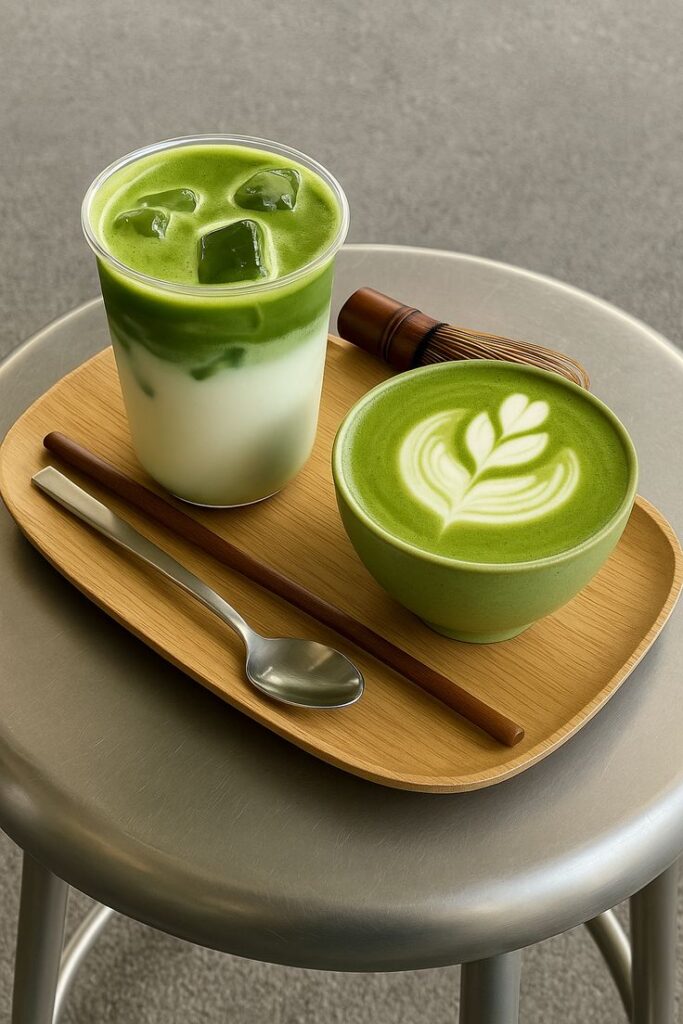
There’s something inherently peaceful about sipping a matcha latte — the earthy green hue, the smooth, creamy texture, and the quiet energy it brings. Unlike the jittery buzz of coffee, matcha latte offers a focused calmness — a slow, meditative kind of alertness. It’s no surprise that this ancient Japanese beverage has taken over cafes, TikTok feeds, and health circles across the globe.
But what exactly makes matcha latte such a sensation? Beyond its Instagram-worthy aesthetic lies centuries of tradition, deep health benefits, and a growing movement toward mindful consumption. In this detailed guide from Riya’s Blogs, we’ll explore everything — from its fascinating origins to its modern wellness appeal, nutritional benefits, and even how to make your own perfect cup at home.
🌿 What Is Matcha Latte?
At its core, a matcha latte is a harmonious blend of two simple ingredients: matcha (a finely ground green tea powder) and milk (often steamed, frothed, or plant-based). But behind this simplicity is an extraordinary level of craftsmanship.
Unlike regular green tea, where leaves are steeped and discarded, matcha uses the entire tea leaf in powdered form — meaning you consume all its nutrients. The matcha is whisked with hot water to create a smooth, frothy mixture, which is then poured into warm milk to create a vibrant green latte.
It’s a drink that feels indulgent yet clean — creamy, slightly sweet, and earthy with a subtle bitterness that coffee lovers often appreciate.
🍃 The Ancient Roots of Matcha
Matcha has been around far longer than modern lattes or even espresso machines. Its story begins in China’s Tang Dynasty (7th–10th century), when tea leaves were steamed and ground into powder for easy transport. However, it was Japanese Zen monks who elevated matcha into a spiritual ritual during the 12th century.
In Japan, matcha became the heart of the “chanoyu” — the Japanese tea ceremony — where preparing and drinking tea was considered a path to mindfulness, discipline, and beauty in simplicity. Every motion, every whisk, every sip was an act of meditation.
So when you sip your matcha latte today, you’re not just drinking a beverage — you’re participating in a thousand-year-old tradition designed to bring balance and clarity.
☕ Matcha Latte vs. Coffee: The Modern-Day Showdown
One of the biggest reasons people switch from coffee to matcha latte is how it makes them feel. Coffee delivers a quick caffeine spike — followed by an inevitable crash. Matcha, on the other hand, provides a smoother, more sustained energy.
Here’s why:
- Caffeine synergy: Matcha contains caffeine, but it’s balanced with L-theanine, an amino acid that promotes calm focus.
- No jitters, no crash: You get alertness without anxiety.
- Longer-lasting energy: The caffeine release is slower, giving you stable productivity throughout the day.
- Better hydration: Unlike coffee, matcha doesn’t dehydrate you.
So if you’ve ever felt tired and tense after your third cup of coffee, switching to a matcha latte might be the balance your body craves.
🧠 The Science-Backed Benefits of Matcha Latte
Let’s talk facts. Matcha latte isn’t just trendy — it’s genuinely good for you. Here are the science-backed reasons why:
1. Rich in Antioxidants
Matcha is packed with catechins, especially EGCG (epigallocatechin gallate), which helps combat inflammation, slows aging, and fights oxidative stress. In fact, one cup of matcha has up to 137 times more antioxidants than a regular cup of green tea.
2. Boosts Metabolism
Studies have shown that matcha can enhance fat oxidation and metabolic rate, making it a popular companion for weight management. This is one reason you’ll find matcha featured in wellness and fitness routines worldwide.
3. Enhances Focus and Calm
The unique combination of caffeine and L-theanine leads to “relaxed alertness.” It’s a state of calm concentration — perfect for studying, working, or meditating.
4. Detoxifies Naturally
Because matcha plants are shade-grown, they produce higher levels of chlorophyll, the pigment responsible for that vivid green color. Chlorophyll is known for its detoxifying properties — helping remove heavy metals and toxins from the body.
5. Supports Heart Health
Regular matcha consumption can help reduce bad cholesterol (LDL) and triglycerides, improving overall cardiovascular health.
6. Improves Mood
L-theanine also increases dopamine and serotonin — the “happy chemicals.” So that sense of well-being you feel after a matcha latte isn’t just placebo — it’s chemistry.
🥛 Choosing the Perfect Milk for Your Matcha Latte
The beauty of matcha latte lies in its versatility. You can tailor it to your taste preferences and dietary needs.
🌱 Plant-Based Options
- Oat milk: Naturally sweet and creamy, enhances the earthy notes of matcha.
- Almond milk: Lighter, slightly nutty flavor — great for low-calorie versions.
- Coconut milk: Adds tropical richness, though it can overpower subtle matcha notes.
- Soy milk: A classic choice — creamy with a neutral flavor balance.
🐄 Dairy Milk
Whole or 2% milk provides that café-style frothy texture many people love. However, dairy slightly mutes the matcha’s grassy flavor, so opt for higher-grade matcha to retain its taste.
🍯 Sweeteners That Complement Matcha
A good matcha latte doesn’t need much sugar. Its earthy profile pairs beautifully with natural sweeteners:
- Honey: Adds floral warmth.
- Maple syrup: Deep caramel notes that balance the bitterness.
- Agave or coconut sugar: Ideal for vegan options.
- Stevia: Zero-calorie, though best used sparingly to avoid aftertaste.
Pro tip: Start with a small amount — about ½ teaspoon — and adjust to taste. You want to enhance the matcha, not overpower it.
🍵 The Right Matcha Makes All the Difference
Not all matcha is created equal. When choosing matcha powder for your matcha latte, look for these key signs:
1. Grade
- Ceremonial grade: Highest quality, meant for drinking pure (best for lattes).
- Culinary grade: Lower quality, best for baking or smoothies.
2. Color
Vibrant jade-green = high chlorophyll = fresh and high-quality.
Dull yellow-green = old or oxidized matcha — avoid it.
3. Origin
Japanese matcha (from regions like Uji, Nishio, or Kagoshima) is considered superior for both flavor and purity.
4. Texture
Fine, talc-like powder means it will whisk smoothly without clumping.
🧋 How to Make a Perfect Matcha Latte at Home
You don’t need a fancy espresso machine to make a café-quality matcha latte — just a few simple tools and a little patience.
Ingredients:
- 1 tsp matcha powder (ceremonial grade preferred)
- 2 oz hot water (not boiling; around 175°F / 80°C)
- 6–8 oz milk (dairy or plant-based)
- 1–2 tsp sweetener (optional)
Instructions:
- Sift the matcha to remove clumps.
- Whisk with hot water using a bamboo whisk (chasen) or milk frother until frothy.
- Heat and froth your milk. Avoid boiling — you want it creamy, not scalded.
- Pour milk over the matcha and stir gently.
- Add sweetener to taste.
Optional: Sprinkle a pinch of matcha powder or cinnamon on top for aesthetic flair.
That’s it! A moment of calm in a cup — made by you.
💚 Matcha Latte Variations You’ll Love
Once you’ve mastered the classic, experiment with creative versions:
- Iced Matcha Latte: Perfect for summer; mix matcha with cold milk and ice.
- Vanilla Matcha Latte: Add a few drops of vanilla extract for sweetness.
- Coconut Matcha Latte: Blend in coconut milk for a tropical twist.
- Matcha Dalgona: Whip matcha with sugar and water to create a creamy foam topping.
- Matcha Chai Fusion: Combine matcha with chai spices — a bold and aromatic blend.
Each one offers a new way to enjoy the serene beauty of matcha.
🧘♀️ The Mindfulness Behind Every Sip
At Riya’s Blogs, we believe a matcha latte is more than a drink — it’s a ritual of presence. Preparing matcha encourages you to slow down, to focus on each whisk, each pour, and each breath. It’s a way to invite mindfulness into everyday life.
Whether you’re journaling, meditating, or simply taking a morning pause before your busy day — that moment with your matcha latte can become your sanctuary.
🌍 Matcha Latte in Modern Culture
From luxury cafés in Tokyo to minimalist coffee shops in New York, matcha latte has become a symbol of holistic living. It represents:
- Sustainability: Hand-harvested, shade-grown tea with minimal processing.
- Wellness: Natural energy, antioxidants, and balance.
- Aesthetic minimalism: The calm beauty of green — pure, simple, and intentional.
Influencers, wellness coaches, and celebrities alike have embraced it — not as a fad, but as part of a larger movement toward conscious living.
🧾 Nutritional Snapshot (Per Serving)
| Nutrient | Amount |
| Calories | ~70–100 (depends on milk/sweetener) |
| Caffeine | 30–70 mg |
| Protein | 2–4 g |
| Antioxidants | 10x more than green tea |
| Sugar | 0–10 g (depending on sweetener) |
⚖️ Are There Any Side Effects?
Moderation is key. While matcha latte is healthy, too much caffeine or green tea can lead to:
- Mild stomach upset (especially on an empty stomach)
- Insomnia if consumed late in the evening
- Iron absorption issues (if consumed excessively)
The ideal serving is 1–2 cups per day. Always use high-quality matcha to avoid contamination with heavy metals or pesticides.
💬 Final Thoughts: A Cup of Calm in a Chaotic World

In a world that’s constantly rushing, matcha latte reminds us to slow down — to savor, to breathe, to exist. It’s not just about energy; it’s about balance.
So next time you whisk that bright green powder into warm, creamy milk, remember — you’re not just making a beverage; you’re creating a ritual.
From ancient monasteries to modern kitchens, matcha latte continues to bridge tradition and modern wellness in the most beautiful way possible. And here at Riya’s Blogs, we’re all for embracing that blend of health, calm, and creativity — one sip at a time. 💚
✨ Key Takeaways
- Matcha latte offers sustained energy without caffeine crashes.
- Rich in antioxidants, it supports metabolism, focus, and heart health.
- Choose high-quality ceremonial matcha for the best experience.
- Making it at home is easy — and deeply rewarding.
- Treat it as a ritual, not just a drink.
Want to read a bit more? Find some more of my writings here-
Book Review: Ignite Me by Tahereh Mafi
The Photograph That Changes Every Year: A Chilling Short Story
National Trivia Day Messages — January 4
I hope you liked the content.
To share your views, you can simply send me an email.
Thank you for being keen readers to a small-time writer.