Introduction
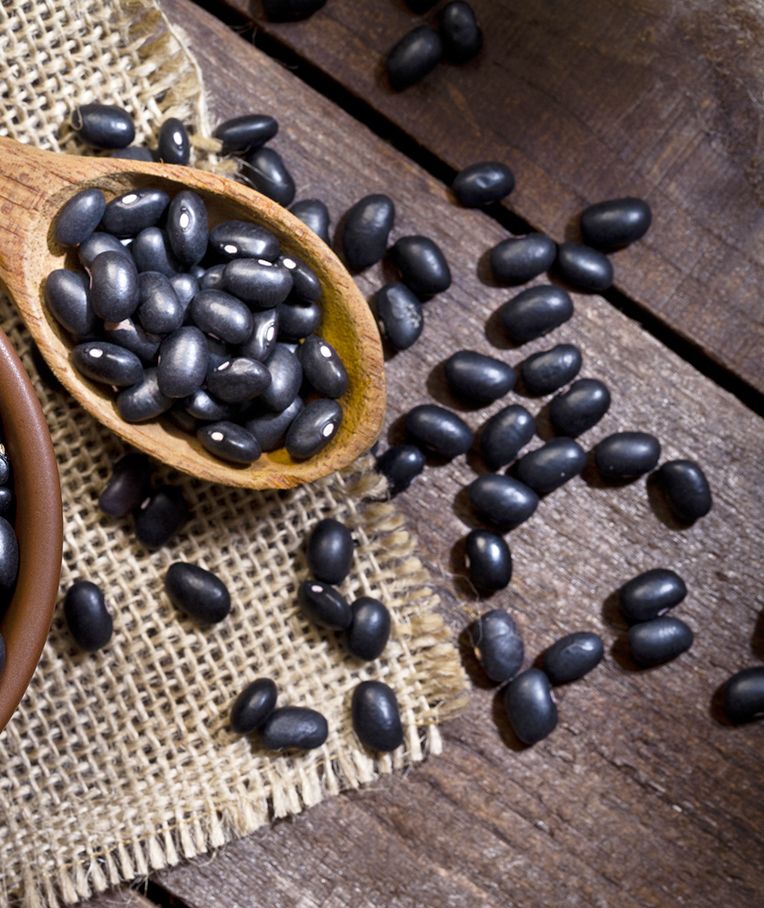
If there’s one food that perfectly represents how simplicity can hide immense power, it’s black beans. These glossy, deep-colored legumes have nourished generations across cultures—from Latin American feasts and Indian curries to modern vegan bowls. They’re rich in nutrients, versatile in the kitchen, and, quite frankly, underrated.
This article from Riya’s Blogs dives deep into everything you need to know about black beans—their origins, health benefits, nutritional profile, ways to cook them, and why they deserve a permanent spot in your pantry. Whether you’re aiming for heart health, better digestion, or plant-based protein, these tiny black pearls have something for you.
🌱 What Are Black Beans?
Black beans (scientifically known as Phaseolus vulgaris) are part of the common bean family, which also includes kidney, navy, and pinto beans. They’re native to the Americas, with archaeological evidence showing cultivation dating back over 7,000 years.
Today, black beans are a staple in Latin American, Caribbean, and Southwestern U.S. cuisines. Known as frijoles negros in Spanish, they’re celebrated for their creamy texture, slightly sweet flavor, and impressive ability to absorb spices and sauces.
🧬 The Nutritional Powerhouse
When you look at black beans, you’re not just looking at a source of plant-based protein—you’re looking at a compact bundle of nutrition that supports nearly every system in the body.
Here’s what one cup (about 172 grams) of cooked black beans contains:
- Calories: ~227
- Protein: 15 grams
- Fiber: 15 grams
- Carbohydrates: 40 grams
- Fat: 0.9 grams
- Iron: 20% of the Daily Value (DV)
- Magnesium: 30% of the DV
- Folate (Vitamin B9): 64% of the DV
- Potassium: 13% of the DV
That’s a nutritional goldmine. The combination of protein, fiber, and complex carbs makes them slow-digesting, energy-sustaining, and excellent for blood sugar regulation.
❤️ The Health Benefits of Black Beans
Let’s break down why black beans are often called a “superfood.” Their benefits go far beyond just filling you up.
1. Heart Health Hero
Black beans are rich in soluble fiber, which helps lower LDL (“bad”) cholesterol. This directly reduces your risk of heart disease. Their magnesium and potassium content also help regulate blood pressure, supporting cardiovascular function.
Studies have shown that regular bean consumption can significantly reduce heart-related mortality rates. And unlike animal protein, black beans deliver these benefits without saturated fat.
2. Gut Health & Digestion
The 15 grams of fiber per cup do more than just aid digestion—they feed your gut microbiome. Black beans contain resistant starches that act as prebiotics, feeding beneficial bacteria in the colon.
This gut-friendly fermentation produces short-chain fatty acids (SCFAs), which help reduce inflammation, improve nutrient absorption, and even enhance mood through the gut-brain axis.
3. Steady Energy and Blood Sugar Control
Because they’re high in complex carbohydrates and fiber, black beans have a low glycemic index. That means they release energy slowly, preventing blood sugar spikes.
For people with insulin resistance or type 2 diabetes, black beans are a valuable dietary ally. They help regulate glucose and improve overall metabolic health.
4. Plant-Based Protein Power
If you’re vegetarian or vegan, black beans should be one of your best friends. One cup gives you about 15 grams of protein—similar to two eggs!
Pairing them with rice, quinoa, or corn completes the amino acid profile, making it a perfect plant-based protein source.
5. Weight Management Ally
Black beans keep you full longer due to their fiber-protein combo. This satiety helps reduce overeating, curb cravings, and stabilize energy levels throughout the day.
They’re also naturally low in fat and calories, making them ideal for anyone aiming to lose or maintain weight without feeling deprived.
6. Antioxidant Protection
Here’s where the dark color of black beans shines—literally. The black hue comes from anthocyanins, the same antioxidants found in blueberries.
These powerful compounds fight free radicals, reduce oxidative stress, and support anti-aging. Research links anthocyanins to lower risks of chronic conditions such as cancer, heart disease, and neurodegenerative disorders.
7. Bone and Muscle Support
The magnesium, calcium, phosphorus, and iron found in black beans all contribute to bone strength and muscle function. Whether you’re an athlete or simply active, adding them to your meals can support endurance and recovery.
8. Supports Mental Health
You might not associate beans with brain health, but black beans are packed with folate—vital for producing serotonin and dopamine. Folate deficiency is linked to fatigue, irritability, and depression.
Magnesium also plays a calming role, helping regulate sleep and stress response.
🍽️ Delicious Ways to Eat Black Beans
Black beans are the culinary equivalent of clay—mild on their own but capable of blending beautifully into any flavor palette.
1. Classic Black Bean Soup
A thick, hearty soup with onions, garlic, cumin, and a splash of lime—this Latin American classic is both comforting and nutrient-rich.
2. Black Bean Burritos and Tacos
Stuffed with rice, salsa, and avocado, black beans add texture and protein to your favorite Mexican dishes.
3. Black Bean Salad
Toss them with corn, bell peppers, cherry tomatoes, and a lime-cilantro dressing for a refreshing summer salad.
4. Black Bean Burgers
Mash black beans with oats, spices, and onion to form patties—grill them for a flavorful vegetarian alternative to meat burgers.
5. Indian Twist
Substitute black beans for kidney beans in rajma curry—the result is equally satisfying, with a darker, richer tone.
6. Breakfast Boost
Add black beans to scrambled eggs, wraps, or avocado toast for a morning protein boost.
7. Black Bean Brownies (Yes, Really!)
Believe it or not, you can blend black beans into brownie batter for a gluten-free, protein-packed dessert that’s secretly healthy.
⚖️ Black Beans vs. Other Beans
| Bean Type | Protein (per cup) | Fiber (per cup) | Calories | Unique Feature |
| Black Beans | 15g | 15g | 227 | High in anthocyanins |
| Kidney Beans | 13g | 11g | 225 | Iron-rich |
| Chickpeas | 14g | 12g | 269 | High in folate |
| Lentils | 18g | 16g | 230 | Quick cooking |
| Navy Beans | 15g | 19g | 255 | Excellent for digestion |
While all beans are nutritious, black beans stand out for their antioxidant content and unique, creamy texture.
⚠️ Possible Downsides and Tips
Even superfoods come with a few caveats.
1. Gas and Bloating
Beans are high in oligosaccharides—carbohydrates that some people find hard to digest. To reduce this:
- Soak dried beans overnight and rinse them before cooking.
- Add a bay leaf or a piece of kombu seaweed while boiling.
- Start with smaller portions and let your gut adjust.
2. Phytates and Mineral Absorption
Like most legumes, black beans contain phytates that can slightly reduce mineral absorption. But soaking, sprouting, or cooking thoroughly reduces these compounds significantly.
3. Sodium in Canned Beans
If you’re using canned black beans, rinse them thoroughly. This removes up to 40% of the sodium. Opt for “low-sodium” or “no salt added” varieties when possible.
🥣 How to Cook Black Beans from Scratch
- Rinse and Soak:
Soak 1 cup of dried black beans in 3 cups of water overnight. Drain and rinse. - Cook:
Add soaked beans to a pot with 3 cups of water or broth. Add aromatics like garlic, onion, and bay leaf. - Simmer:
Bring to a boil, then reduce heat and simmer for 60–90 minutes until tender. - Season:
Add salt only after beans are cooked to avoid toughening their skins. - Store:
Cooked black beans keep up to 5 days in the fridge or 3 months in the freezer.
🧡 Cultural Significance
Black beans hold deep roots in Latin and Caribbean traditions. In Cuba, “Moros y Cristianos” (black beans and white rice) symbolizes historical unity. In Brazil, the famous feijoada stew combines black beans with meats and orange slices—a dish so iconic it’s considered the national meal.
They also feature in vegetarian diets across Asia and Africa, often symbolizing abundance and nourishment.
🌍 Sustainability and Environmental Impact
Compared to animal protein sources, black beans have a tiny environmental footprint. They:
- Use less water and land.
- Produce fewer greenhouse gas emissions.
- Naturally enrich soil with nitrogen.
By swapping even one meat-based meal a week for black beans, you make a measurable positive impact on the planet.
🧘♀️ Black Beans in Modern Diets
Today, black beans are trending in wellness circles for good reason. They’re a perfect fit for:
- Vegan and vegetarian diets – complete protein with grains.
- High-fiber diets – for gut and heart health.
- Low-glycemic or diabetic diets – stable energy release.
- Sustainable diets – eco-friendly protein source.
Fitness enthusiasts love them in meal preps, while home cooks love their adaptability—from salads to soups, even desserts.
🥗 Quick Summary Table
| Aspect | Details |
| Main Nutrients | Protein, Fiber, Iron, Folate, Magnesium |
| Health Benefits | Heart, gut, bone, and mental health |
| Best Forms | Soups, burritos, salads, veggie burgers |
| Storage | 5 days (fridge), 3 months (freezer) |
| Diet Suitability | Vegan, gluten-free, diabetic-friendly |
| Eco Impact | Low-carbon, sustainable crop |
🏁 The Bottom Line
Black beans are proof that you don’t need exotic superfoods to eat healthily. They’re affordable, easy to cook, packed with nutrients, and versatile enough to fit into every cuisine.
From improving digestion to supporting your heart and brain, these little beans deserve every bit of the spotlight.
So next time you’re planning your meals, make sure to include black beans—not just as a side dish, but as the main act.
And as we often say here on Riya’s Blogs: Sometimes, the most powerful foods are the ones that have been on our plates all along.
Want to read a bit more? Find some more of my writings here-
25 Chill Quotes for When Life Gets Too Much
I hope you liked the content.
To share your views, you can simply send me an email.
Thank you for being keen readers to a small-time writer.