Introduction: The Ocean’s Brightest Gift to Your Body
There’s something mesmerizing about the color blue — calm yet bold, serene yet powerful. Now, imagine harnessing that same vibrant energy from nature itself, not as a dye or a filter, but as a nutrient powerhouse. That’s exactly what blue spirulina brings to the table — a visually stunning and health-boosting superfood that’s transforming smoothies, lattes, and skincare routines across the world.
If you’ve seen those strikingly blue smoothie bowls on Instagram, you’ve likely come across this natural wonder. But blue spirulina is much more than a social media trend — it’s a microalgae-derived supplement packed with antioxidants, protein, and detoxifying properties that support everything from immune health to radiant skin.
In this deep dive from Riya’s Blogs, we’ll explore what makes blue spirulina so special, its nutritional magic, benefits, how to use it, and whether it truly lives up to the hype.
What Exactly Is Blue Spirulina?
Before diving into its benefits, let’s demystify what blue spirulina really is.
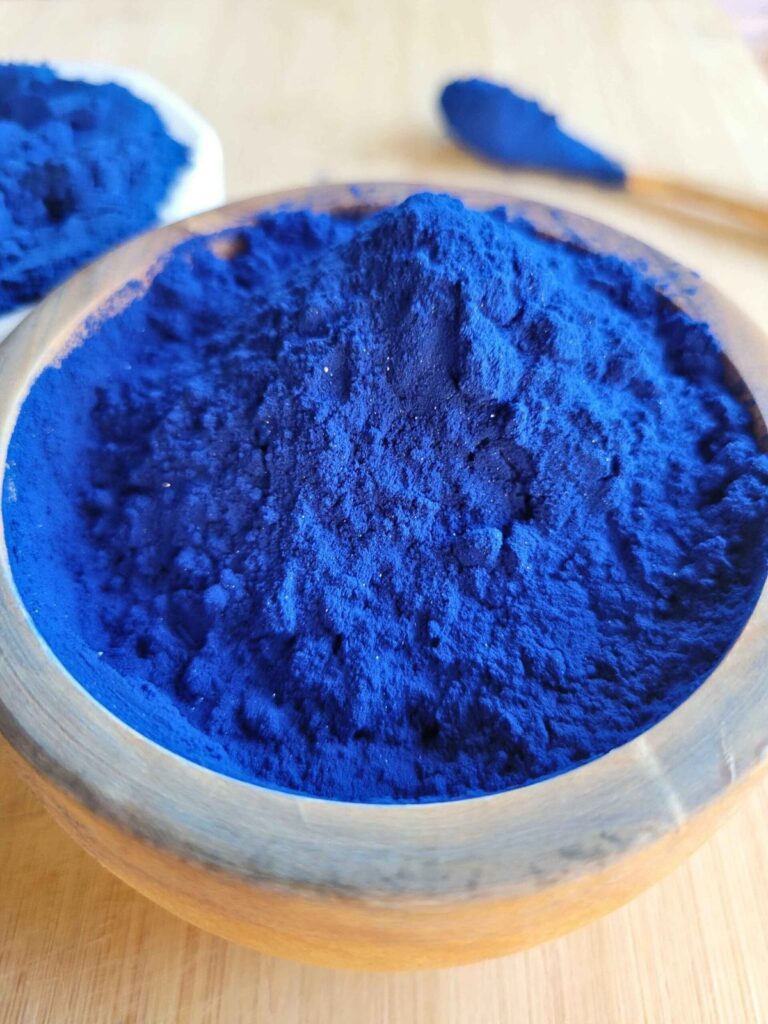
Spirulina itself is a type of cyanobacteria, often called blue-green algae, that grows in freshwater and saltwater environments. While regular spirulina is dark green due to chlorophyll, blue spirulina is a purified extract of phycocyanin — the blue pigment that gives it its surreal color and potent antioxidant properties.
So, essentially, blue spirulina is a more refined version of regular spirulina. It’s cleaner, milder in taste, and visually stunning — making it ideal for those who found green spirulina’s earthy flavor a bit too intense.
A Brief History of Spirulina: From Ancient Lakes to Modern Cafés
Though blue spirulina feels like a 21st-century trend, the algae itself has ancient roots. The Aztecs in 16th-century Mexico harvested spirulina from Lake Texcoco, calling it tecuitlatl, and used it as a high-protein food source. Similarly, it has been consumed for centuries by the Kanembu people in Chad, Africa, who collect spirulina from Lake Chad and dry it into nutrient-rich cakes.
Fast-forward to today, and scientists have rediscovered what these civilizations already knew: this humble algae is one of the most nutrient-dense foods on Earth. When researchers isolated phycocyanin — the blue pigment — they realized they had found something even more potent.
The Science Behind the Color: Meet Phycocyanin
Phycocyanin isn’t just pretty — it’s powerful. This natural pigment gives blue spirulina its signature electric hue while offering a host of biological benefits.
- Antioxidant Power: Phycocyanin helps fight oxidative stress by neutralizing free radicals — unstable molecules that can damage your cells and accelerate aging.
- Anti-Inflammatory Effects: It inhibits enzymes that trigger inflammation, making it beneficial for joint health, skin conditions, and chronic inflammation.
- Immune Support: It’s been shown to stimulate the production of white blood cells and antibodies, enhancing your body’s defense system.
- Neuroprotection: Emerging studies suggest phycocyanin might help protect brain cells from degenerative damage, offering potential in neurological health research.
In short, blue spirulina’s striking color is more than aesthetic — it’s a marker of deep biological potency.
Nutritional Profile: What’s Inside Blue Spirulina?
While blue spirulina is mainly prized for phycocyanin, it’s also a rich source of micronutrients that support holistic wellness.
| Nutrient | Benefit |
| Protein (up to 60–70%) | Builds muscle, supports tissue repair, boosts metabolism |
| B Vitamins (B1, B2, B3) | Improves energy levels, skin health, and brain function |
| Iron & Magnesium | Supports red blood cell production and reduces fatigue |
| Beta-carotene & Zeaxanthin | Promotes eye health and radiant skin |
| Essential Amino Acids | Aids muscle recovery and immune function |
| Antioxidants (Phycocyanin) | Combats free radicals and inflammation |
Unlike synthetic supplements, blue spirulina delivers this nutrition in a natural, easily absorbed form — no artificial colors, no chemical additives.
The Benefits of Blue Spirulina: Why It’s Worth the Buzz
1. Boosts Immunity
Thanks to its high phycocyanin content and abundance of antioxidants, blue spirulina strengthens the immune system by supporting the body’s natural defense cells. It’s like giving your immune system a gentle yet powerful armor against pathogens and oxidative stress.
2. Enhances Energy and Focus
Forget caffeine jitters — blue spirulina boosts energy naturally. Its B-vitamin complex helps your body convert food into fuel, while iron increases oxygen delivery to muscles and brain tissue, improving stamina and focus.
3. Supports Skin Health
From the inside out, blue spirulina promotes clear, radiant skin. Its antioxidants help fight inflammation and acne-causing bacteria, while chlorophyll derivatives assist in detoxification. Some skincare brands even infuse it into masks and serums to brighten dull skin.
4. A Natural Detoxifier
Spirulina has long been known for its ability to bind heavy metals and toxins, supporting liver health. Blue spirulina continues that legacy by aiding detoxification and promoting a cleaner, more balanced body.
5. Mood and Mental Well-being
Preliminary studies suggest that spirulina may boost serotonin and dopamine levels — neurotransmitters responsible for mood and motivation. That’s why many wellness enthusiasts include blue spirulina in their morning smoothies for a cheerful start.
6. Vegan Protein Alternative

For vegans and vegetarians, blue spirulina is a dream come true — it’s a complete plant-based protein containing all nine essential amino acids. Perfect for muscle recovery, fitness routines, or post-workout smoothies.
7. Anti-Aging and Cellular Repair
Its antioxidant-rich profile helps reduce oxidative damage — one of the leading causes of premature aging. Regular consumption of blue spirulina can support collagen formation and improve elasticity in the skin.
How to Use Blue Spirulina: Creative Ways to Add It to Your Diet
Blue spirulina is incredibly versatile. Since it’s flavor-neutral, you can easily sneak it into your favorite recipes for a nutrient boost and a pop of blue color.
Here are a few fun and delicious ideas:
- Smoothies and Bowls: Add ½ teaspoon to your morning smoothie. Combine with banana, pineapple, and coconut water for a tropical blue bowl.
- Blue Lattes: Mix blue spirulina powder with steamed milk and honey for a calming, caffeine-free latte.
- Pancakes and Waffles: Add it to your batter for a breakfast that’s both Instagram-worthy and nourishing.
- Yogurt and Chia Pudding: Stir a pinch into yogurt or chia pudding for a visually stunning twist.
- Ice Cream and Popsicles: Blend blue spirulina with frozen fruits and coconut cream for a guilt-free dessert.
Pro tip from Riya’s Blogs: Always store your blue spirulina in a cool, dry place away from sunlight. Exposure to light can dull its vibrant color and reduce its potency.
Blue Spirulina vs. Green Spirulina: What’s the Difference?
| Feature | Blue Spirulina | Green Spirulina |
| Color | Electric blue | Deep green |
| Main Compound | Phycocyanin | Chlorophyll + Phycocyanin |
| Taste | Mild, neutral | Earthy, grassy |
| Best For | Smoothies, lattes, aesthetic recipes | High-protein diets, detox routines |
| Nutrient Density | Focused antioxidants | Broader nutritional spectrum |
While green spirulina offers a broader range of vitamins and minerals, blue spirulina takes the lead in antioxidant concentration and versatility. If you’re new to spirulina, blue is a gentler, more palatable starting point.
Are There Any Side Effects or Precautions?
Blue spirulina is generally considered safe for most people when sourced from reputable brands. However, here are a few things to keep in mind:
- Quality Matters: Choose brands that test for heavy metals and toxins, as poor-quality spirulina can contain contaminants.
- Allergies: Rare, but those allergic to algae or seafood should start with small doses.
- Pregnant or Nursing Women: Consult your doctor before adding new supplements.
- Dosage: Typically, 1–2 teaspoons (3–5 grams) per day is sufficient for health benefits.
Sustainability and Ethical Sourcing
One of the most beautiful aspects of blue spirulina is its sustainability. Unlike animal-based proteins or soy crops that require massive land and water resources, spirulina can grow in closed water systems using minimal resources.
- Low Carbon Footprint: Produces less greenhouse gas compared to livestock farming.
- High Yield: Spirulina can generate more protein per acre than traditional crops.
- Eco-Friendly Cultivation: It doesn’t deplete soil or freshwater ecosystems.
When you choose sustainably sourced blue spirulina, you’re supporting both your health and the planet.
Blue Spirulina in Beauty and Wellness Trends
Beyond food, blue spirulina is making its mark in the beauty and wellness industries. Skincare brands are incorporating it into serums, face masks, and bath products for its rejuvenating and anti-inflammatory properties.
In wellness retreats and spas, blue spirulina-infused smoothies and masks symbolize “inner and outer detox.” It’s also used in natural dyes for eco-friendly textiles and cosmetics.
What to Look for When Buying Blue Spirulina
To get the best from this superfood, here’s a quick checklist before purchasing:
✅ 100% pure Arthrospira platensis extract (phycocyanin)
✅ No fillers, sweeteners, or artificial dyes
✅ Certified organic and tested for toxins
✅ Packaged in opaque, airtight containers
✅ Verified reviews or lab-tested transparency
Some trusted global brands include E3Live, Nutrex Hawaii, and Unicorn Superfoods — though you can find many local clean-label alternatives too.
DIY Blue Spirulina Recipes You’ll Love
🌊 Blue Mermaid Smoothie
- 1 banana
- ½ cup pineapple chunks
- ½ tsp blue spirulina
- 1 cup coconut water
- Ice cubes
Blend until creamy and enjoy your ocean-hued breakfast.
💧 Blue Spirulina Latte
- 1 cup almond or oat milk
- ½ tsp blue spirulina
- 1 tsp honey or maple syrup
- A dash of cinnamon
Warm the milk, whisk in spirulina and honey, and sip for instant calm.
🧁 Blue Spirulina Protein Pancakes
- 1 cup oat flour
- 1 scoop vanilla protein powder
- 1 tsp blue spirulina
- 1 egg (or flax egg)
- ½ cup almond milk
Mix and cook as regular pancakes — top with fruits and Greek yogurt.
Final Thoughts: The Future Is Blue
From ancient civilizations to modern wellness cafés, spirulina has evolved beautifully — and blue spirulina represents its most elegant transformation yet. It’s a superfood that’s as good for your health as it is for your Instagram feed, blending science, beauty, and sustainability in one bright spoonful.
At Riya’s Blogs, we believe that wellness should feel joyful — not restrictive. And there’s something undeniably joyful about swirling a bit of blue spirulina into your morning routine. It’s not just food; it’s art, energy, and vitality combined.
So next time you reach for that cup of coffee or smoothie, try adding a dash of blue — your body (and your soul) will thank you.
Want to read a bit more? Find some more of my writings here-
Australia Day Messages — Jan 26 (Australia)
Book Review: Twisted Love by Ana Huang
I hope you liked the content.
To share your views, you can simply send me an email.
Thank you for being keen readers to a small-time writer.