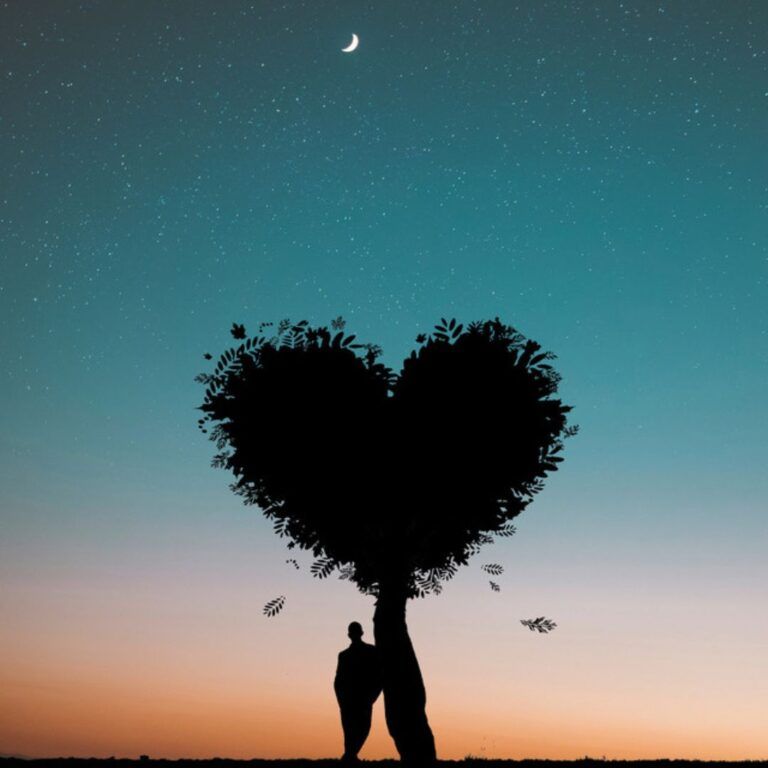
Valentine’s Day is loud. It’s everywhere—roses, reservations, red hearts, “couple goals,” and the not-so-subtle reminder that romance is the main event.
Then February 15 arrives, and it feels like the world exhales.
That’s where Singles Awareness Day comes in. Often abbreviated as SAD, this February 15 event is an informal, modern “holiday” that flips the script: instead of treating single life like a waiting room, it treats it like a valid, meaningful season of life—one that can be joyful, confident, and full of personal growth.
If you’ve ever wondered “What is Singles Awareness Day?”, why people celebrate it, or whether it’s actually a thing globally, here’s the simple truth: Singles Awareness Day isn’t an official public holiday in most places, but it has become a recognizable cultural moment—especially online—because it speaks to something real. Many people are single by choice, by circumstance, or by timing, and they don’t want February to make them feel “less than.” Singles Awareness Day is a reminder that your worth isn’t tied to your relationship status.
What Singles Awareness Day actually means (and what it doesn’t)
At its best, Singles Awareness Day is about self love, independence, and appreciating the freedom and clarity that can come with single life. It’s a day that says:
- You can enjoy romance as a concept without needing to be in a relationship.
- You can want love in the future and still like your life right now.
- You can be single and not lonely (and you can also be lonely sometimes—both are human).
- You can have a full life built on friendships, family, goals, health, and personal growth—not just dating.
It’s also worth saying what Singles Awareness Day is not meant to be: a day to mock couples, trash Valentine’s Day, or pretend you never want connection. Some people celebrate it with humor (memes and candy included), but the deeper point is acceptance—of yourself, of your pace, and of your choices.
Why celebrate being single?
People celebrate being single for different reasons, and that variety is exactly why Singles Awareness Day resonates.
1) Single life can be a season of strength.
Being single often means you’re making decisions independently—how you spend money, where you live, what you prioritize, how you build routines. That independence isn’t “sad.” It’s a skill set.
2) It’s a chance to practice self love without apology.
Self love isn’t just bubble baths and affirmations (though those are nice). It’s also boundaries, emotional maturity, healing old patterns, and learning how to be at peace in your own company.
3) It helps challenge the idea that relationships are the only “happy ending.”
Modern relationships are evolving. People marry later, date differently, explore long-term partnerships without rushing, and define commitment in more personal ways than past generations did. Singles Awareness Day fits into these lifestyle trends by validating multiple paths.
4) It can reduce the pressure spiral that often follows Valentine’s Day.
For many, Valentine’s Day triggers comparison: “Should I be further ahead?” “Why am I still single?” Singles Awareness Day gently pushes back: you’re allowed to be where you are.
How do people observe it?
There’s no single “right” way to celebrate Singles Awareness Day. Some people keep it light; others use it as a meaningful reset. Here are common ways people observe it today:
A “self-date” that’s actually fun
A solo movie, a café visit with a book, a museum day, a hike, or a fancy dinner for one—done not as a consolation prize, but as a statement: I’m good company.
A friendship-focused hangout
Many people celebrate single life by investing in friendships—game night, brunch, a group workout class, or just a long catch-up call. It’s a reminder that love is bigger than romance.
Small rituals of personal growth
Some people use February 15 to set goals: learning a skill, improving health habits, budgeting, therapy, or journaling. Not because being single is a “problem to fix,” but because it’s a perfect time to build a life you love.
Treats and humor (yes, candy still counts)
A lot of Singles Awareness Day content online is playful—chocolates, snacks, self-gifts, and jokes about escaping the Valentine’s Day hype. Humor can be a healthy way to reclaim the narrative.
Giving back
Volunteering or donating can be a powerful way to mark the day—especially if Valentine’s Day left you feeling heavy. Community care is also love.
When did it start?
This is the part where you’ll see different answers depending on where you look, because Singles Awareness Day is informal and internet-driven. There isn’t one universally documented “official founding” the way there is for major holidays.
What can be said confidently is this: Singles Awareness Day emerged as a modern cultural response to Valentine’s Day, and its popularity grew through school/college culture, word-of-mouth, and later the internet and social media. Some tellings attribute its early popularity to students creating a humorous counter-day; others point to the broader rise of self-care language and online communities where people started openly celebrating single life.
So if you’re asking “When did it start?”—the most accurate answer is that it developed organically over time rather than launching from a single authority.
Is it global?
Sort of—depending on what you mean by “global.”
Singles Awareness Day isn’t a nationally recognized public holiday in most countries, but the idea of acknowledging singlehood exists in many places, and the internet makes trends travel fast. In English-speaking online spaces, Singles Awareness Day is pretty widely recognized. In other regions, people may not use the same name, yet similar concepts show up in local culture and social media conversations about independence, self love, and modern relationships.
So, yes: the theme is globally relatable, even if the exact “Singles Awareness Day” label is more common in certain online communities.
What Singles Awareness Day says about modern relationships
Singles Awareness Day doesn’t exist in a vacuum. It’s connected to how relationships have changed—and how people want to talk about them now.
1) People are redefining what fulfillment looks like.
For some, fulfillment includes marriage and family. For others, it includes career, travel, creative work, friendships, spirituality, or simply peace. Many want both love and autonomy.
2) Dating culture has become more complex.
Between apps, long-distance connections, changing expectations, and personal boundaries becoming a bigger conversation, modern relationships can feel complicated. Singles Awareness Day offers a pause: you don’t need to force a relationship just to meet a timeline.
3) Self-awareness is the new relationship “goal.”
A big lifestyle trend right now is emotional literacy—people learning communication skills, attachment styles, and mental health basics. Single life can be a space to do that work so that future relationships are healthier (if and when you want them).
4) The stigma around being single is slowly shrinking.
It still exists, but it’s fading in many circles. Singles Awareness Day adds momentum: it publicly validates singlehood as normal, not a deficiency.
Simple, meaningful ways to celebrate (without making it a “thing”)
If you want to observe this February 15 event in a way that feels real—here are a few low-pressure ideas:
- Write a “love letter” to your future self. Not about romance—about what you want your life to feel like.
- Do one brave thing you’ve been postponing: a class, a gym session, a job application, a difficult conversation, a doctor appointment.
- Upgrade something small in your daily life: bedding, skincare basics, meal prep, a desk setup—comfort is a form of self love.
- Plan one solo experience for the next month: a day trip, a restaurant you’ve been saving, a concert, or a personal project weekend.
- Celebrate your independence in a concrete way: pay down a bill, start an emergency fund, learn a new skill, or reorganize your space.
- Reconnect with someone who makes you feel seen: a friend, sibling, cousin, mentor. Love is not scarce.
And if you’re someone who wants a relationship eventually, Singles Awareness Day doesn’t require you to pretend otherwise. You can say: “I want love—and I’m still proud of myself today.”
(That’s the tone we aim for on Riya’s Blogs: grounded, human, and actually useful.)
A quick note on “proper sources” for this topic
Because Singles Awareness Day is an informal observance (not an official government holiday), it’s common for sources to disagree on exact origin details. For the most reliable background when you publish, look for:
- Major dictionaries/encyclopedia-style summaries of the term (for definition and usage)
- Reputable culture/lifestyle publications discussing the social trend and how it’s observed
- Academic or research-based discussions on singlehood trends, marriage age shifts, and relationship sociology (for broader “modern relationships” context)
If you share the sources you plan to cite, I can help you weave them into the article cleanly and keep it readable.
Conclusion
Singles Awareness Day on February 15 is a modern reminder that being single is not a failure, a gap, or a problem to solve—it’s a legitimate way to live. Whether you celebrate it with friends, a quiet self-date, a personal growth goal, or just a good laugh after the Valentine’s Day noise, the message is simple: your life counts today. Self love, independence, and the freedom to define happiness on your own terms are worth celebrating—because the healthiest relationships, whenever they happen, grow best from a life you already respect.
Want to read a bit more? Find some more of my writings here-
February 15 – National Flag of Canada Day
Valentine’s Day (February 14): History, Traditions, and How Love Became a Global Celebration
February 15 – National Gumdrop Day: A Sweet, Sugary Little Celebration of Nostalgic Candy
I hope you liked the content.
To share your views, you can simply send me an email.
Thank you for being keen readers to a small-time writer.