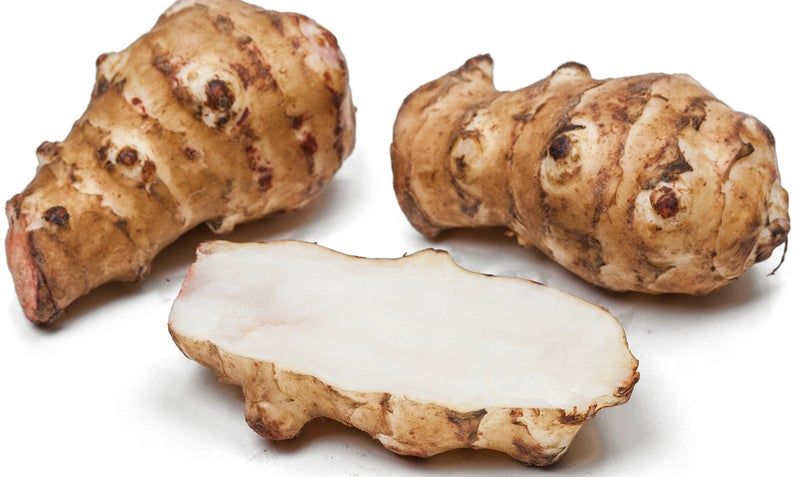
If you’ve ever wandered through a farmer’s market and stumbled upon a knobby, ginger-like tuber labeled “Jerusalem artichoke,” chances are you paused and thought—Wait, what on earth is this? Despite its misleading name, the Jerusalem artichoke isn’t from Jerusalem, nor is it an artichoke. It’s a humble tuber that’s finally getting the recognition it deserves for its incredible health benefits, earthy-sweet flavor, and versatility in the kitchen.
So, let’s dig deep—literally and figuratively—into what makes the Jerusalem artichoke such a remarkable root vegetable and why you might want to make room for it in your pantry.
What Exactly Is a Jerusalem Artichoke?
Also known as sunchoke, earth apple, or topinambur, the Jerusalem artichoke is actually a species of sunflower (Helianthus tuberosus). Native to North America, this plant grows tall and produces bright yellow flowers that look like small sunflowers. Beneath the soil, however, lies its true treasure—the knobby, nutty tuber that resembles a ginger root more than anything else.
The “Jerusalem” part of its name is a linguistic twist on the Italian word girasole, meaning sunflower, which English speakers misheard as “Jerusalem.” The “artichoke” part comes from its slightly sweet, nutty flavor that reminded early European settlers of globe artichokes.
But unlike the globe artichoke, which is a flower bud, the Jerusalem artichoke is a root—packed with unique nutrients, prebiotic fibers, and a natural sweetness that lends itself to a range of delicious dishes.
A Hidden Gem in the Plant World
It’s fascinating that the Jerusalem artichoke was once a staple food for Indigenous tribes in North America. They cultivated it long before European explorers arrived. Later, French settlers adopted it enthusiastically, leading to its spread across Europe.
While it enjoyed a brief period of popularity in the 17th and 18th centuries, it eventually fell out of favor—partly because of its reputation for causing, well, a bit of digestive discomfort (we’ll get to that soon). But now, thanks to the rise of interest in gut health, plant-based eating, and prebiotic foods, the Jerusalem artichoke is making a well-deserved comeback.
Jerusalem Artichoke Nutrition: Small Tuber, Big Power
When it comes to nutrition, the Jerusalem artichoke punches way above its weight. Here’s what makes it stand out among root vegetables:
| Nutrient | Per 100g (raw) |
| Calories | 73 kcal |
| Carbohydrates | 17.4 g |
| Fiber | 1.6 g |
| Protein | 2 g |
| Fat | 0 g |
| Iron | 3.4 mg |
| Potassium | 429 mg |
| Vitamin C | 4 mg |
| Magnesium | 17 mg |
| Phosphorus | 78 mg |
But the real superstar here is inulin—a type of soluble fiber that sets Jerusalem artichokes apart.
The Power of Inulin: Nature’s Prebiotic Secret
Unlike starch, the carbohydrate stored in potatoes, Jerusalem artichoke stores energy in the form of inulin. Inulin is a type of soluble fiber that acts as a prebiotic, feeding the beneficial bacteria in your gut. This means eating Jerusalem artichokes can help cultivate a healthier microbiome—something scientists are increasingly linking to better digestion, immunity, and even mood regulation.
Key Benefits of Inulin:
- Supports Gut Health
By nourishing good gut bacteria such as Bifidobacteria, inulin promotes smoother digestion and may reduce bloating over time. - Regulates Blood Sugar
Since inulin is not digested as glucose, it helps maintain stable blood sugar levels—making Jerusalem artichoke a friendly food for people managing diabetes. - Boosts Mineral Absorption
Studies show inulin can help your body better absorb calcium and magnesium, contributing to stronger bones. - Aids in Weight Management
Because inulin promotes satiety, you feel full longer—reducing the likelihood of unnecessary snacking.
However, there’s a catch: inulin is also what gives Jerusalem artichokes their infamous reputation for causing gas. When your gut bacteria feast on this fiber, they produce gases as a byproduct. The result? A bit of digestive rumbling—often humorously referred to as the “Jerusalem artichoke effect.” The trick is moderation: start small and let your body adapt.
Top Health Benefits of Jerusalem Artichoke
Beyond gut health, the Jerusalem artichoke offers a host of other benefits that make it a worthy addition to your diet.
1. Great for Digestive Health
As mentioned, its high inulin content helps cultivate beneficial gut flora. A healthy gut is linked not only to better digestion but also to improved immunity and mood stability.
2. A Diabetes-Friendly Root
Since Jerusalem artichokes have a low glycemic index and contain no starch, they don’t cause sharp spikes in blood sugar. They’re a brilliant substitute for potatoes for those seeking blood sugar control.
3. Boosts Immunity
Rich in iron, potassium, and trace minerals, Jerusalem artichoke supports red blood cell formation and cellular health. The prebiotics in inulin may also strengthen your immune system indirectly by improving gut function.
4. Heart Health Hero
Potassium helps regulate blood pressure, and fiber lowers cholesterol absorption. Together, these nutrients make Jerusalem artichoke a small but mighty heart-healthy food.
5. Perfect for Weight Watchers
At under 80 calories per 100 grams and with filling fiber, it’s a guilt-free addition to salads, soups, and roasted vegetable platters.
6. Great for Skin and Hair
Vitamin C, iron, and antioxidants found in Jerusalem artichoke contribute to radiant skin and strong hair by improving blood circulation and collagen production.
The Taste of Jerusalem Artichoke: Earthy, Sweet, and Nutty
If you’re wondering what it tastes like, imagine a cross between a potato and a water chestnut with a hint of sweetness—almost like a roasted chestnut or artichoke heart. When raw, Jerusalem artichokes have a crisp, slightly nutty flavor that’s refreshing in salads. When cooked, they become creamy, sweet, and utterly comforting.
It’s this unique flavor profile that makes chefs adore it. Whether roasted, pureed, or sautéed, the Jerusalem artichoke can effortlessly elevate your dish from simple to gourmet.
How to Cook Jerusalem Artichoke: Delicious Ways to Enjoy It
One of the best things about the Jerusalem artichoke is its versatility. You can eat it raw, roasted, sautéed, boiled, or mashed. Here are some ideas to get you started:
1. Roasted Jerusalem Artichokes
Toss sliced sunchokes with olive oil, salt, pepper, and rosemary. Roast at 400°F (200°C) for 25–30 minutes until golden and crispy. The result is a caramelized, nutty delight.
2. Jerusalem Artichoke Soup
Simmer diced sunchokes with onion, garlic, vegetable broth, and thyme. Blend until smooth for a silky, comforting soup perfect for chilly evenings.
3. Mashed Jerusalem Artichokes
Boil until tender and mash with butter, garlic, and a splash of cream. It’s a lighter, more flavorful alternative to mashed potatoes.
4. Sunchoke Chips
Thinly slice and air-fry or bake until crispy. Sprinkle with sea salt for a healthier, fiber-rich snack.
5. Raw Jerusalem Artichoke Salad
Shave raw sunchokes thinly and toss with lemon juice, olive oil, arugula, and shaved Parmesan for a crunchy, refreshing salad.
How to Store and Prepare Jerusalem Artichoke
Jerusalem artichokes are quite hardy, but they can dry out if not stored properly. Here’s how to keep them fresh:
- Storage: Keep unwashed tubers in a paper bag or wrapped in a towel inside your refrigerator’s vegetable drawer. They’ll last for up to 2–3 weeks.
- Preparation: Simply scrub them clean—no need to peel unless you prefer a smoother texture. The skin is edible and adds an earthy flavor.
- Tip: To prevent discoloration, place peeled or sliced Jerusalem artichokes in a bowl of lemon water until you’re ready to cook.
Potential Side Effects: Handle With Care
While Jerusalem artichokes are packed with goodness, they can cause digestive issues for some people, especially those not used to inulin. Common symptoms include gas, bloating, and mild stomach cramps.
How to Reduce These Effects:
- Start Small: Begin with a small serving (half a cup) and increase gradually.
- Cook Well: Cooking reduces inulin content, making the tuber easier to digest.
- Pair with Herbs: Cooking them with herbs like fennel, cumin, or caraway can help minimize bloating.
Once your gut adjusts, you’ll likely tolerate them well—and enjoy their benefits without discomfort.
Jerusalem Artichoke in the Modern Kitchen
Chefs around the world are rediscovering the Jerusalem artichoke for its subtle sweetness and rich texture. You’ll now find it gracing menus in fine-dining restaurants as purees, soups, and even chips.
Its flavor pairs beautifully with:
- Butter and garlic for a rich roast
- Thyme, rosemary, or sage for an earthy twist
- Lemon or vinegar to balance its sweetness
- Truffle oil or cream for indulgent soups and risottos
In vegan and vegetarian cooking, Jerusalem artichoke is becoming a star ingredient thanks to its creamy texture that mimics dairy-based dishes when blended.
Sustainability and Cultivation: A Farmer’s Dream
Jerusalem artichokes are as good for the planet as they are for you. They’re incredibly easy to grow, require little maintenance, and thrive even in poor soil. Once planted, they multiply quickly and can be harvested throughout the year.
In fact, some farmers consider them a near-perfect sustainable crop:
- They’re perennial, meaning they return year after year.
- They enrich the soil with organic matter.
- They require minimal fertilizers and pesticides.
This makes the Jerusalem artichoke an eco-friendly choice for conscious consumers and home gardeners alike.
Fun Facts You Might Not Know
- Despite its misleading name, the Jerusalem artichoke has zero connection to Jerusalem.
- In France, it’s called topinambour, and it’s a beloved winter vegetable.
- During World War II, when potatoes were scarce, Jerusalem artichokes became a survival staple in Europe.
- The plant’s tall sunflowers can grow up to 10 feet high, making it a natural garden fence.
- The tuber is even being studied as a source of renewable biofuel due to its high carbohydrate content.
Why You Should Try Jerusalem Artichoke
Let’s face it—we’ve all fallen into food ruts. We keep reaching for the same potatoes, carrots, and sweet potatoes. The Jerusalem artichoke is a refreshing reminder that nature offers so much more variety if we just look a little deeper.
By adding this humble tuber to your meals, you’re not just diversifying your diet—you’re supporting your gut health, lowering your carbon footprint, and connecting with an ancient food that has nourished people for centuries.
At Riya’s Blogs, we believe in celebrating foods that tell a story—and the Jerusalem artichoke is one of those hidden treasures that deserves a place on your table. Whether you’re a health enthusiast, foodie, or someone exploring plant-based living, this earthy root is a delicious adventure waiting to happen.
Conclusion: The Comeback of a Forgotten Superfood
The Jerusalem artichoke may look humble, but it’s one of nature’s quiet powerhouses. With its sweet, nutty flavor, prebiotic richness, and sustainability, it embodies everything modern eaters are looking for—taste, nutrition, and responsibility.
So, next time you spot those knobby tubers at your local market, don’t walk past them. Take a few home, roast them golden, and savor the delicate sweetness that once nourished civilizations and is now making its rightful return to modern kitchens.
It’s not just another root vegetable—it’s a rediscovery of nature’s wisdom, a journey through history, and a promise of better health—all in one bite.
From the fields to your fork, the Jerusalem artichoke is proof that the best superfoods are often the ones we’ve forgotten. And as Riya’s Blogs often reminds us—sometimes, wellness begins with going back to our roots.
Want to read a bit more? Find some more of my writings here-
James Holmes: The Aurora Theater Shooter Who Turned a Cinema into a Nightmare
I hope you liked the content.
To share your views, you can simply send me an email.
Thank you for being keen readers to a small-time writer.