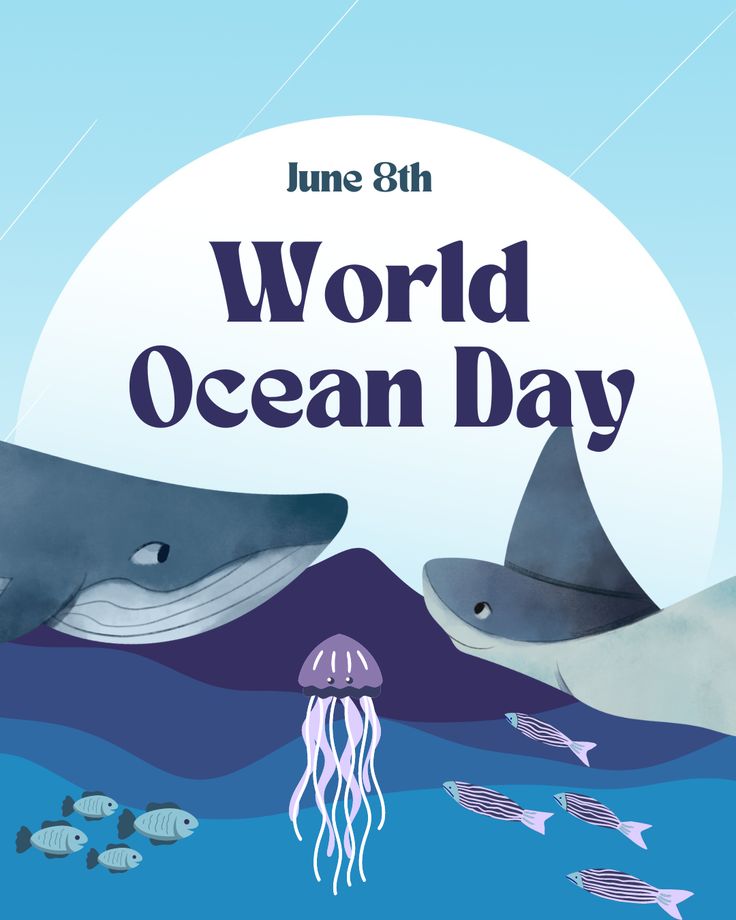
Every year on June 8, the world comes together to celebrate World Oceans Day, a global observance dedicated to recognizing the importance of our oceans and encouraging people to protect them. Covering more than 70% of the Earth’s surface, oceans are essential to life on this planet. They regulate the climate, produce a significant portion of the oxygen we breathe, provide food for billions of people, and support countless species of marine life.
Despite their immense value, oceans face serious threats today. Plastic pollution, overfishing, climate change, and habitat destruction are putting marine ecosystems at risk. World Oceans Day is an opportunity to spread awareness, inspire action, and remind people that protecting the ocean is a responsibility shared by everyone.
In recent years, many individuals, organizations, workplaces, and environmental groups have started sharing World Oceans Day messages, save ocean captions, and sustainability awareness lines across social media to highlight the importance of marine conservation. These messages may seem small, but they play a powerful role in spreading knowledge and motivating collective action.
In this article, we will explore the history of World Oceans Day, the importance of oceans, the threats they face, and meaningful ways people can participate in this global movement to protect the sea.
The History and Purpose of World Oceans Day
World Oceans Day was first proposed in 1992 at the Earth Summit in Rio de Janeiro, Brazil, by Canada’s International Centre for Ocean Development and the Ocean Institute of Canada. The idea was to create a day that would bring global attention to the importance of oceans and encourage sustainable practices.
However, it wasn’t until 2008 that the United Nations officially recognized June 8 as World Oceans Day. Since then, the day has been celebrated worldwide through environmental campaigns, educational programs, beach clean-ups, and awareness initiatives.
Each year, the United Nations selects a theme that reflects current challenges and goals related to ocean conservation. These themes often focus on sustainability, marine biodiversity, climate action, and the role of communities in protecting marine ecosystems.
The main purpose of World Oceans Day is simple but powerful:
- Raise awareness about ocean conservation
- Encourage sustainable use of marine resources
- Promote marine biodiversity protection
- Inspire communities and individuals to take action
Many environmental organizations also share protect sea message campaigns to remind people that oceans are not just beautiful landscapes but vital systems that sustain life on Earth.
Why Oceans Are So Important to Our Planet
Oceans are often described as the “lungs of the planet.” They play a critical role in maintaining the balance of Earth’s ecosystem.
Climate Regulation
The ocean absorbs around 30% of carbon dioxide produced by humans and captures more than 90% of excess heat from global warming. Without this natural process, climate change would be far more severe.
Healthy oceans help stabilize global temperatures and influence weather patterns across continents.
Oxygen Production
Many people are surprised to learn that oceans produce over half of the world’s oxygen. Tiny marine organisms called phytoplankton perform photosynthesis, releasing oxygen into the atmosphere.
In simple terms, every second breath we take is connected to the ocean.
Food and Livelihoods
More than three billion people rely on oceans for food, primarily through seafood. Millions of people around the world also depend on marine industries such as fishing, tourism, shipping, and coastal trade for their livelihoods.
Biodiversity
The ocean is home to an extraordinary variety of life forms, from microscopic plankton to massive blue whales. Coral reefs alone support about 25% of all marine species, even though they occupy less than 1% of the ocean floor.
These ecosystems are delicate and interconnected. When one part of the system suffers, it affects the entire marine environment.
This is why many environmental campaigns use marine conservation quotes and educational resources to emphasize how deeply human life is connected to ocean health.
Major Threats Facing Our Oceans Today
While oceans remain vast and powerful, they are increasingly vulnerable to human activity.
Plastic Pollution
One of the biggest challenges facing the ocean today is plastic waste. According to environmental studies, around 8 to 11 million tons of plastic enter the ocean every year.
Plastic bags, bottles, packaging, and microplastics accumulate in marine environments and harm sea creatures. Animals often mistake plastic for food, which can lead to injury or death.
Images of sea turtles tangled in plastic or seabirds with plastic-filled stomachs have become powerful symbols of why ocean conservation matters.
This is why save ocean captions and awareness posts often highlight the need to reduce single-use plastics.
Overfishing
Overfishing occurs when fish are caught faster than they can reproduce. This disrupts marine ecosystems and threatens fish populations around the world.
Unsustainable fishing methods also damage coral reefs and other habitats that marine species depend on.
Climate Change and Ocean Warming
Climate change is causing ocean temperatures to rise, which affects marine life in several ways. Warmer waters can lead to coral bleaching, where corals lose their color and eventually die.
Ocean warming also alters migration patterns, breeding cycles, and food chains in marine ecosystems.
Ocean Acidification
When oceans absorb excess carbon dioxide, the water becomes more acidic. This process, known as ocean acidification, harms shell-forming species such as corals, oysters, and plankton.
Over time, this can disrupt the entire marine food web.
Because of these threats, global campaigns often promote sustainability awareness lines that encourage responsible choices and environmental protection.
How People Celebrate and Participate in World Oceans Day
World Oceans Day is celebrated in many ways around the globe. Governments, schools, businesses, and communities organize activities that focus on marine education and conservation.
Beach and Coastal Cleanups
One of the most popular ways to celebrate the day is by organizing beach clean-up drives. Volunteers collect plastic waste and debris from shorelines to prevent it from entering the ocean.
These events also help people see firsthand how pollution affects marine environments.
Educational Events
Schools, universities, and environmental organizations often host workshops, documentaries, and seminars about marine ecosystems.
These programs teach students and communities about the importance of ocean conservation.
Social Media Awareness
In the digital age, social media has become a powerful platform for environmental awareness. People share World Oceans Day messages, protect sea message campaigns, and short ocean captions to spread knowledge.
Some examples include:
- “The ocean gives us life — it’s time we give back.”
- “Protect the sea today for a healthier planet tomorrow.”
- “Healthy oceans, healthy Earth.”
- “Every drop of water connects us to the ocean.”
Simple messages like these encourage people to reflect on their relationship with nature.
Sustainable Lifestyle Choices
World Oceans Day also encourages individuals to adopt sustainable habits such as:
- Reducing plastic consumption
- Choosing sustainable seafood
- Supporting ocean conservation organizations
- Participating in environmental volunteering
These everyday actions contribute to long-term marine protection.
The Power of Ocean Awareness Messages
Words can inspire action. Over the years, environmental leaders, scientists, and activists have shared powerful marine conservation quotes that remind people of the ocean’s value.
Some popular examples include:
“No water, no life. No blue, no green.” — Sylvia Earle
“The sea, once it casts its spell, holds one in its net of wonder forever.” — Jacques Cousteau
These quotes often appear alongside save ocean captions and sustainability awareness lines during environmental campaigns.
In workplaces and organizations, sharing these messages can help build a culture of environmental responsibility. Many companies now include environmental messaging in their communication strategies to encourage sustainability among employees and communities.
Even small reminders can influence how people think about the planet.
What Each of Us Can Do to Protect the Ocean
Protecting the ocean does not require grand gestures. Even small changes in daily habits can make a difference.
Some simple steps include:
- Carry reusable bags, bottles, and containers
- Avoid single-use plastics whenever possible
- Support brands that follow sustainable practices
- Participate in local clean-up activities
- Spread awareness about marine conservation
Every individual action contributes to a larger collective impact.
Environmental experts often emphasize that protecting oceans is not just about saving marine life — it is about protecting the future of humanity.
Conclusion
World Oceans Day serves as an important reminder that our planet’s oceans are both powerful and fragile. They regulate the climate, sustain marine biodiversity, provide food and livelihoods, and produce much of the oxygen we breathe.
Yet these vast ecosystems are under increasing pressure from pollution, overfishing, and climate change. Without global cooperation and responsible action, the damage to marine environments could have lasting consequences.
By sharing World Oceans Day messages, spreading protect sea message campaigns, and using meaningful save ocean captions, people around the world are helping bring attention to one of the most important environmental issues of our time.
Awareness is the first step toward change. When individuals, communities, and organizations come together to support ocean conservation, they contribute to a healthier planet for future generations.
As highlighted by environmental advocates and platforms like Riya’s Blogs, protecting the ocean is not just an environmental goal — it is a shared responsibility for everyone who depends on the blue heart of our planet. 🌊
Want to read a bit more? Find some more of my writings here-
National Chocolate Ice Cream Day (June 7): Messages, Funny Captions, and Sweet Ways to Celebrate
National Donut Day (June 5): Best Donut Day Messages, Funny Captions, and Sweet Ways to Celebrate
I hope you liked the content.
To share your views, you can simply send me an email.
Thank you for being keen readers to a small-time writer.