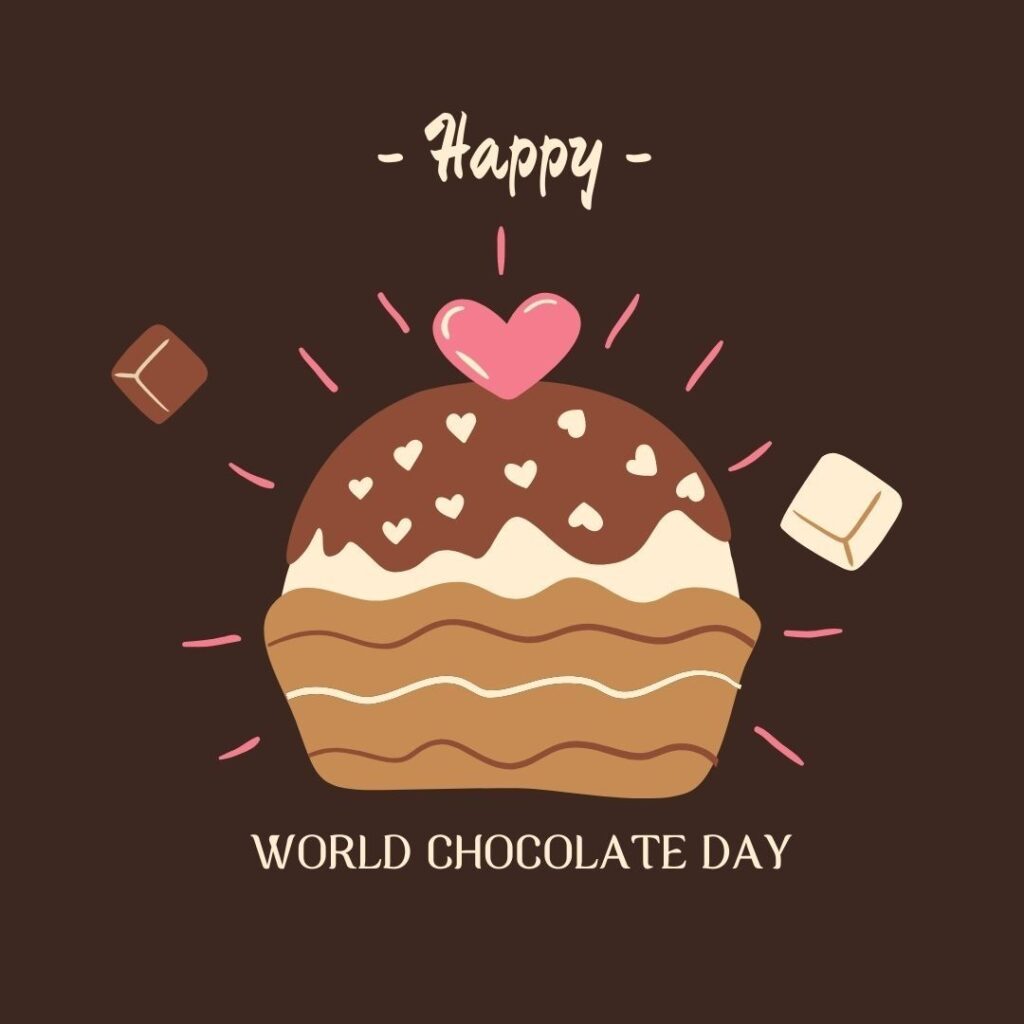
There are few things in life that feel as universally loved as chocolate. It shows up when we’re celebrating, when we’re stressed, when we’re gifting, and when we simply want a small, sweet moment in the middle of a busy day. That’s exactly why World Chocolate Day, celebrated on July 7, has become such a fun excuse to slow down and appreciate the magic of cocoa.
Whether you’re a dark-chocolate purist, a milk-chocolate traditionalist, or the kind of person who believes “chocolate is a food group,” this day is for you. And yes—this is also the perfect day to post those chocolate lover captions, share sweet treat quotes, send chocolate day messages, and sprinkle your group chats with dessert humor lines and a heartfelt cocoa appreciation message.
World Chocolate Day is not just about eating candy bars (although that’s absolutely allowed). It’s also a day to understand what chocolate is, where it comes from, how it’s made, and how to enjoy it more mindfully—especially when it comes to ethical sourcing and sustainability.
What is World Chocolate Day and why is it celebrated on July 7?
World Chocolate Day is commonly observed on July 7 in many places around the world. You’ll often see it described as a day to celebrate chocolate’s global popularity and long history.
You may also come across different “chocolate days” on other dates—because chocolate is so popular that multiple celebrations exist. For example, some people celebrate International Chocolate Day on dates like September 13 (often linked to Milton S. Hershey’s birthday), and there are also various national chocolate holidays depending on the country. But July 7 is one of the most widely recognized “World Chocolate Day” dates online and in popular culture.
A common story you’ll hear is that July 7 marks the anniversary of chocolate being introduced to Europe in the 1500s. Historians debate the exact “first arrival” moment because cocoa traveled through complex trade routes and colonial history, so it’s best to treat that detail as a popular explanation rather than a perfectly verified fact. What’s definitely true is this: chocolate’s journey from cacao farms to global dessert menus is one of the most fascinating food stories ever.
A quick (and essential) chocolate history—how cacao became chocolate
Chocolate starts with cacao, which comes from the Theobroma cacao tree. The name “Theobroma” is often translated as “food of the gods,” which feels very on-brand for chocolate lovers.
Long before chocolate became a sweet bar wrapped in shiny foil, cacao was used in Mesoamerica by ancient civilizations such as the Maya and Aztec. They prepared cacao as a beverage—often bitter, sometimes spiced, and culturally significant. It wasn’t “hot chocolate” in the modern marshmallow-and-whipped-cream sense, but it was deeply valued.
When cacao made its way to Europe, it began transforming. Sugar and milk changed the flavor, and eventually chocolate shifted from a drink for elites into something more widely available. Over time, innovations in processing—especially during the Industrial Revolution—helped create smoother textures and the chocolate bars we recognize today.
So when you’re sharing chocolate day messages on July 7, you’re celebrating more than a dessert. You’re celebrating centuries of culture, agriculture, craftsmanship, and obsession (the good kind).
How chocolate is made (in a simple, non-boring way)
Chocolate may feel like pure comfort, but the process behind it is surprisingly detailed:
- Harvesting cacao pods: Farmers harvest ripe pods from cacao trees and remove the cacao beans inside.
- Fermentation: Beans are fermented for several days—this is where a lot of chocolate’s flavor development begins.
- Drying: Fermented beans are dried in the sun to reduce moisture.
- Roasting: Beans are roasted to bring out deeper aromas and flavors.
- Winnowing: Roasted beans are cracked to remove the husk, leaving cacao nibs.
- Grinding: Nibs are ground into a thick paste called cocoa liquor (it’s non-alcoholic—just a term).
- Mixing and refining: Sugar, cocoa butter, milk powder (for milk chocolate), and sometimes vanilla are added and refined.
- Conching: The chocolate is mixed for hours (sometimes days) to smooth texture and mellow flavors.
- Tempering and molding: Chocolate is carefully cooled and warmed to create a glossy finish and satisfying snap.
Knowing this makes it easier to appreciate that chocolate isn’t just “sweet.” It’s a crafted product—like coffee, tea, or wine—where origin and technique matter.
Types of chocolate (and why your favorite tastes the way it does)
Most people know the basics, but here’s a simple cheat sheet:
- Dark chocolate: Higher cocoa solids, less milk (often none). Flavor can range from fruity to bitter to nutty depending on the cacao origin.
- Milk chocolate: Cocoa + milk ingredients + sugar. Creamy and classic.
- White chocolate: Made from cocoa butter, sugar, and milk solids—no cocoa solids, which is why it’s pale and tastes buttery-sweet.
- Ruby chocolate: A newer style known for a naturally pinkish color and berry-like tang (often paired with fruit flavors).
If you’re writing a cocoa appreciation message, a fun touch is mentioning your favorite type—because chocolate preferences are basically a personality trait at this point.
Why we love chocolate so much (yes, there’s a real reason)
Chocolate hits a unique mix of:
- Texture pleasure (melts at near body temperature)
- Aroma compounds developed through fermentation and roasting
- Comfort association (many of us link it to rewards, gifts, holidays)
- Mood ritual (a small piece can feel like a reset)
Dark chocolate also contains compounds like flavonoids and small amounts of caffeine and theobromine. You’ll often hear health claims, but the real “healthy” approach is balance: enjoy chocolate as part of an overall good diet—not as a miracle cure.
Simple ways to celebrate World Chocolate Day (without doing too much)
You don’t need a big plan. Here are easy, genuinely fun ideas:
- Try a “three-chocolate tasting”: milk, dark (70%), and a flavored bar (orange, sea salt, almond).
- Make a quick dessert: chocolate-dipped strawberries, mug brownie, or cocoa oatmeal.
- Support a local chocolatier or bakery instead of a mass-market bar.
- Host an office bowl of mini chocolates with a cute sign (yes, it makes you instantly popular).
- Share a post with chocolate lover captions and tag your chocolate buddy.
- Learn one thing about cocoa sourcing and choose a more ethical option when you can.
Chocolate Day Messages, captions, and jokes you can actually use
Here’s a mix of short, funny, and workplace-friendly lines—so you have options for every vibe. (And yes, these are perfect for the user searches: Funny chocolate captions? Short dessert jokes? Office treat message?)
Short chocolate day messages (sweet + simple)
- “Happy World Chocolate Day! Wishing you a day as sweet as your favorite bar.”
- “Sending you a little cocoa happiness today.”
- “May your day be rich, smooth, and perfectly chocolatey.”
- “A small treat can fix a big mood—enjoy your chocolate moment.”
- “Here’s your sign to have dessert first. Happy Chocolate Day!”
Chocolate lover captions (Instagram-ready)
- “Powered by cocoa and good intentions.”
- “Chocolate: my favorite form of self-care.”
- “In a committed relationship with desserts.”
- “Just me, my chocolate, and zero regrets.”
- “If lost, return to the chocolate aisle.”
Dessert humor lines (funny chocolate captions)
- “I’m on a strict chocolate-only diet. Don’t question my lifestyle.”
- “Chocolate doesn’t ask questions. Chocolate understands.”
- “You can’t make everyone happy… unless you bring chocolate.”
- “My love language is dark chocolate and silence.”
- “I followed my heart. It led me to dessert.”
Office-safe treat message (polite + cheerful)
- “Happy World Chocolate Day! Hope you get a sweet treat break today.”
- “Wishing you a productive day—with a little chocolate on the side.”
- “Small reminder: you deserve a treat. Happy Chocolate Day!”
- “Hope your day is smooth and sweet—just like good chocolate.”
- “Team morale tip: chocolate. Happy World Chocolate Day!”
A more heartfelt cocoa appreciation message
- “Today is a reminder that joy can be simple—like a bite of chocolate shared with someone you care about.”
- “Chocolate has traveled across cultures and centuries, and it still manages to feel like comfort in every form.”
- “Here’s to the farmers, makers, and small businesses who turn cocoa into something that makes our days brighter.”
A quick note on ethical chocolate (important, but still simple)
Chocolate is delicious, but cacao farming can involve serious challenges—like unfair wages, unsafe labor conditions, and environmental pressure. The most realistic approach is not guilt—it’s awareness.
If you want to make your World Chocolate Day celebration more meaningful:
- Look for brands that emphasize traceable sourcing or fairer trade practices.
- Consider supporting smaller bean-to-bar makers where transparency is clearer.
- Treat chocolate as something to savor, not just mindlessly snack through.
Even one small shift matters over time—and it makes your cocoa appreciation message feel deeper and more intentional.
Fun chocolate facts to sprinkle into your post
- Chocolate flavor begins long before it becomes chocolate—fermentation of cacao beans is a major reason different chocolates taste so different.
- The “snap” of a good bar comes from proper tempering.
- Cacao is naturally bitter; sweetness is something humans added over time.
- Dark chocolate percentages (like 70%) usually refer to the total cocoa content (cocoa solids + cocoa butter).
If you want a quick content idea for Riya’s Blogs: post a “pick your chocolate personality” mini quiz (milk = comfort classic, dark = bold minimalist, white = sweet dreamer, etc.). It’s simple, shareable, and fun.
Conclusion
World Chocolate Day (July 7) is the kind of celebration we all deserve—easy, joyful, and delicious. It’s a reminder that happiness can be as small as unwrapping your favorite chocolate bar or sharing a treat with someone at work. And when you understand the story behind chocolate—from cacao farms to fermentation and tempering—it becomes more than a sweet snack. It becomes a tiny piece of history and craftsmanship you get to enjoy in one bite.
So go ahead: post those chocolate lover captions, send a few chocolate day messages, make someone laugh with dessert humor lines, or share a warm cocoa appreciation message that feels genuinely kind. However you celebrate, may your July 7 be rich, smooth, and beautifully chocolatey.
Want to read a bit more? Find some more of my writings here-
National Compliment Your Mirror Day (July 3): A Celebration of Self-Love, Positivity, and Confidence
Independence Day (USA) (July 4): History, Meaning, and the Best 4th of July Messages
I hope you liked the content.
To share your views, you can simply send me an email.
Thank you for being keen readers to a small-time writer.