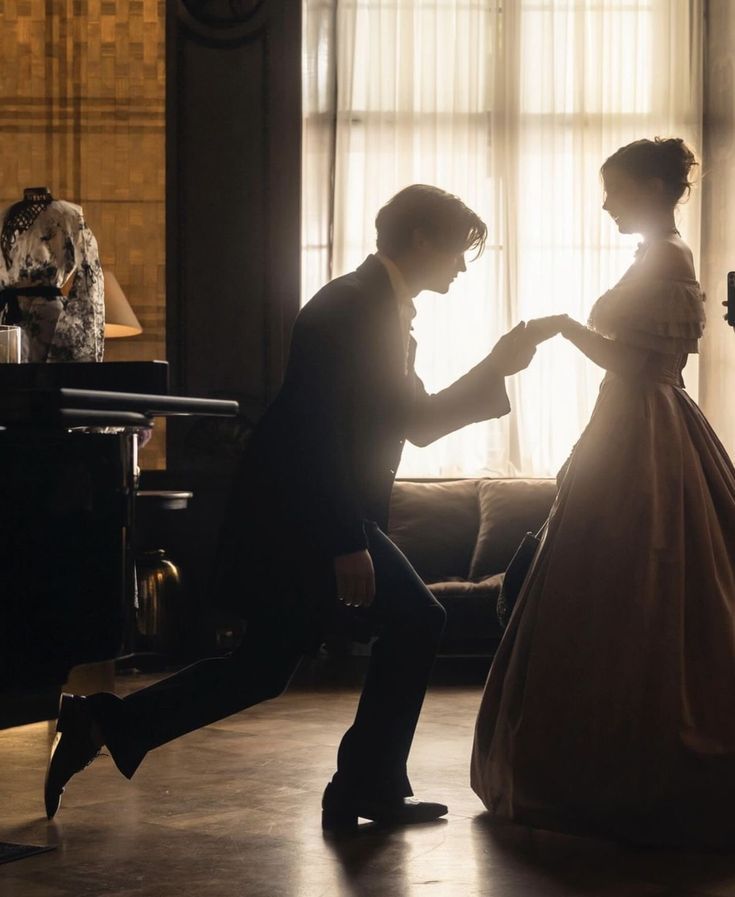
What’s in a name? In the Victorian era, quite a lot. Surnames in nineteenth-century Britain weren’t just labels; they were breadcrumb trails of craft and class, migration and marriage, faith and family lore. On Riya’s Blogs, I like to explore history in a way that feels practical and human, and few topics are as quietly revealing as the story behind a last name. Let’s unpack the world of victorian surnames—where they came from, how they were used, and what they can still tell us today.
Why surnames mattered so much in the Victorian era
The Industrial Revolution pulled people from villages into booming towns, putting strangers side-by-side on streets, in factories, and at rail stations. Meanwhile, bureaucracy expanded. Civil registration began in England and Wales in 1837, and decennial censuses from 1841 onward recorded millions of names. Suddenly, names weren’t just how your neighbor called you across a hedgerow; they were how the state tracked births, marriages, deaths, employment, housing, and taxes. In short, victorian surnames became anchors—proofs of identity and hints of origin—at a time when society was in dizzying motion.
Four big roots: how British surnames formed
Centuries before Queen Victoria, most English surnames crystallized from a few simple sources. By the nineteenth century those patterns were still obvious:
- Occupational names
These point to ancestral trades. Think Smith (metalworker), Taylor (tailor), Baker, Cooper (barrel maker), Carter (cart driver), Chandler (candlemaker), Fletcher (arrow maker), Thatcher, Turner, Wright (craftsman), Walker, Weaver, Fuller (cloth worker), Sawyer, Butler, Brewer. They don’t guarantee that your Victorian great-grandfather did that job—but they do gesture toward the medieval economy where the name first stuck. - Patronymic or matronymic names
These began as “child of X.” English examples include Johnson (son of John), Harrison (Harry), Richardson, Robinson. In Wales, the “ap/ab” patronymic tradition (“son of”) turned into names such as Pritchard (ap Richard), Price (ap Rhys), Powell (ap Hywel), Bowen (ab Owen), Bevan (ap Evan), and Parry (ap Harry). In Scotland and Ireland, Mac/Mc and O’ kept their force: MacDonald, McKenzie, O’Neill, O’Brien, O’Connor, Kelly. - Toponymic (place-based) names
These highlight a landscape feature or a specific location: Hill, Field, Green, Underwood, Atwood, Brook/Brooks, Ford, Marsh, Churchill, Wood, Banks. A Victorian clerk might not know which “Hill” you came from—but the name preserves a snapshot of where the family once lived. - Nicknames and descriptive names
Some surnames started as personal descriptors: Short, Long, Little, Strong, Swift, Young, Goodman, Goodwin, Sharp, Armstrong; color references like Brown, Black, White, Gray, Green; animals such as Fox, Lamb, Hogg, Bull.
Class, fashion, and the double-barrel
Victorian Britain was obsessed with status signals. Surnames were one of them—but beware of overreading them. A Smith could be a dock laborer or a member of the gentry. That said, some patterns did align with class:
- Double-barrelled and hyphenated surnames (e.g., Cavendish-Bentinck, Pelham-Clinton) were fashionable among the aristocracy and landed gentry, often to preserve a mother’s family name or fulfill inheritance conditions. Hyphenation could be adopted by usage or formalized via deed poll; in Britain there was (and still is) no rigid legal requirement to change names via court when custom alone would do.
- Norman/medieval signals persisted in some elite lines: Fitz- names (from the Norman fils, “son of”) such as Fitzgerald or Fitzroy, or occasional de prefixes in older peerage titles (e.g., de Vere). Not every “Fitz” was elite in Victorian times, but many such names traced to families with medieval pedigrees.
Women, marriage, and names
Under Victorian coverture, a married woman’s legal identity was closely tied to her husband’s. Social convention strongly favored wives taking their husband’s surname. Divorce was rare (and became more accessible only after the Matrimonial Causes Act 1857), but widows, separated women, and some professionals could and did use names that served their circumstances—often without formal paperwork. You’ll see widows in census records appear under the husband’s surname but occasionally revert to maiden names in business, teaching, or literary contexts.
Regional flavors across the Isles
England
The most common English names across the Victorian period included Smith, Jones, Williams, Brown, Taylor, Wilson, Davies, Evans, Thomas, Johnson, White, Harris, Lewis, Clarke/Clark, Wright, Walker, Green, Hall, Wood—many of them occupational or descriptive.
Wales
Wales’ shift from true patronymics (e.g., Dafydd ap Gwilym) to fixed surnames accelerated in the 18th–19th centuries. That’s why Victorian Wales is rich in a handful of surnames like Jones, Williams, Evans, Thomas, Davies, Hughes, Edwards, Morgan. Don’t assume kinship just because two families share one of these—parish and occupation data become crucial.
Scotland
Scottish surnames leaned heavily on Mac/Mc patronymics (MacDonald, McLeod, MacGregor) and clan associations (Campbell, Stewart, Gordon, Fraser, Murray). Toponymic and occupational names appear here, too, but clan context and Highland/Lowland divides add extra texture.
Ireland
Victorian Ireland (and Irish communities in England, Scotland, and Wales) featured O’ and Mac/Mc names (O’Neill, O’Brien, O’Connor, O’Sullivan, McCarthy, McDonagh). Anglicization (earlier and ongoing) shaped spellings: Ó Briain → O’Brien, Ó Ceallaigh → Kelly, Mac Carthaigh → McCarthy.
Immigration, empire, and new neighbors
Britain’s Victorian story is also global. Several streams of newcomers left footprints in the record:
- Irish migration, especially around the Great Famine (1840s), populated industrial cities with Irish surnames that soon appear throughout England and Scotland.
- Scottish and Welsh movement within the Isles brought Mac/Mc and Welsh-origin names into English urban centers.
- Jewish immigrants (particularly from the mid-to-late 19th century into the early 20th) introduced or concentrated names such as Cohen, Levy, Rosenberg, Goldstein, Klein, Katz in London’s East End and other towns.
- Earlier Huguenot arrivals (17th–18th centuries) left pockets of French-derived surnames—sometimes Anglicized—visible in Victorian records (think Du Maurier, Leveson, Dubois in rarer cases).
- From across the Empire, smaller numbers of names from India, the Caribbean, Africa, and elsewhere begin to enter late-Victorian records—often among sailors, students, servants, ayahs (nannies), or professionals.
These currents mean that victorian surnames reflect a society more diverse and mobile than the sepia photos might suggest.
Spelling quirks and record-keeping headaches
If you’re tracing ancestors, expect inconsistency. Literacy was widespread by the late Victorian era, but spelling variations still abound:
- Variant spellings: Clark/Clarke, Smith/Smyth, Allen/Allan, Phillips/Philips, Browne/Brown.
- Enumerator errors: Census takers wrote what they heard—regional accents and noisy doorways didn’t help.
- Fluid standards: A family might be “Macdonald” in one record and “McDonald” in another; both can be yours.
- Hyphens appear/disappear: Montagu Douglas Scott vs. Montagu-Douglas-Scott—newspapers, parish registers, and legal documents may disagree.
To navigate this, correlate addresses, occupations, ages, household members, and parish affiliations, not just the surname string.
A sampler of common Victorian surnames and what they hint at
Here’s a short (and far from exhaustive) tour with origins:
- Smith – Metalworker; the single most common English surname across the 19th century.
- Jones / Williams / Davies / Evans / Thomas – Welsh dominance; many descend from fixed patronymics.
- Brown / White / Black / Gray / Green – Colors used descriptively or for clothing/dyes.
- Taylor – Tailor; Cooper – Barrel maker; Carter – Transport by cart; Baker – Self-explanatory.
- Johnson / Robinson / Harrison / Richardson – “Son of” English patronymics.
- Walker / Weaver / Fuller / Fletcher / Thatcher / Turner / Wright / Sawyer – Textile, wood, and craft trades.
- Hill / Hall / Wood / Field / Ford / Marsh / Banks / Underwood / Atwood / Brook(s) – Landscape and place names.
- Clark(e) – Cleric/scribe; Stewart/Stuart – Steward of an estate; Butler – Household official.
- Campbell / Stewart / Gordon / Fraser / Murray / MacDonald / McKenzie – Scottish clan/clan-linked names.
- O’Brien / O’Neill / O’Sullivan / Kelly / Murphy / McCarthy – Irish O’ and Mac/Mc lines.
- Armstrong / Young / Strong / Little / Swift – Nickname-style descriptors.
- Fitzgerald / Fitzpatrick / Fitzroy – Norman “son of” naming; often, though not always, signaling older pedigrees.
Remember: hints, not guarantees. A Taylor in 1891 Manchester might be a steelworker, not a tailor.
Myths to avoid
- “A fancier name means higher class.”
Not reliably. Many aristocrats bore straightforward names; many hyphenations were adopted much later. Victorian class was read through land, income, schooling, and circles—not merely the syllables of a surname. - “Everyone with the same surname in a town is related.”
In places with dominant names (think Jones in a Welsh valley), you’ll find dozens of unrelated households sharing a surname. Track kinship through records, not assumptions. - “The way we spell it today is the only ‘correct’ spelling.”
Standardization is modern. Treat spelling as evidence, not dogma.
Practical tips for researching Victorian ancestors
If you’re using victorian surnames to build a family tree, combine the surname with other stable anchors:
- Civil registration: Birth, marriage, and death indexes (from 1837 in England & Wales) tie names to dates and districts.
- Census records: From 1841 every ten years (except 1941), census returns list households—use addresses and occupations to follow families over time.
- Parish registers: Baptisms, marriages, and burials stretch earlier and help bridge pre-civil-registration gaps.
- Occupational clues: A recurring job title (e.g., “railway porter,” “journeyman carpenter”) often matters more than one letter in your surname.
- Maps and directories: Victorian trade directories (e.g., Post Office directories) can place a name in a street and trade.
- Newspapers: Announcements, obituaries, court reports, and advertisements can correct spellings and reveal relatives.
When stuck, broaden your search: try variant spellings, consider neighboring parishes, and remember that people moved—a lot—in the Victorian age.
A note on meaning vs. identity
It’s tempting to translate a surname and declare victory—“I’m a Taylor; my ancestors made clothes!” But meanings are starting points, not endpoints. Over hundreds of years, families changed towns, trades, and tongues. The beauty of victorian surnames is that they compress centuries of such movement into a portable, everyday heirloom—one that you can unfold through records, stories, and serendipity.
Bringing it home
On Riya’s Blogs, we love peeling back familiar layers to find the human stories beneath. Surnames look static, but in the nineteenth century they were constantly rubbing against the frictions of urbanization, bureaucracy, and empire. Some families doubled down on old names to preserve lineages; others shed or reshaped them to fit new lives. Either way, these names kept people legible—to clerks, to neighbors, to future descendants.
If your curiosity is newly sparked, pick a surname in your tree and ask three questions: Where might it have started? What nearby spellings could be yours? Who else in the records lived at the same address or worked the same job? Follow those threads. The Victorian era left a paper trail dense enough to reward your effort.
And the next time you glance at a brass nameplate in a Dickens novel, or flip through a family Bible, you’ll hear more than syllables. You’ll hear a small chorus of workshops and hillside lanes, chapel pews and ship decks—the chorus carried quietly inside victorian surnames.
Want to read a bit more? Find some more of my writings here-
Conversation Starters That Actually Work (Without Feeling Awkward)
110+ Husband and Wife Quotes (Funny, Loving, and a Little Too Real)
Top 10 Best Rizz Lines That Actually Work
I hope you liked the content.
To share your views, you can simply send me an email.
Thank you for being keen readers to a small-time writer.