Introduction
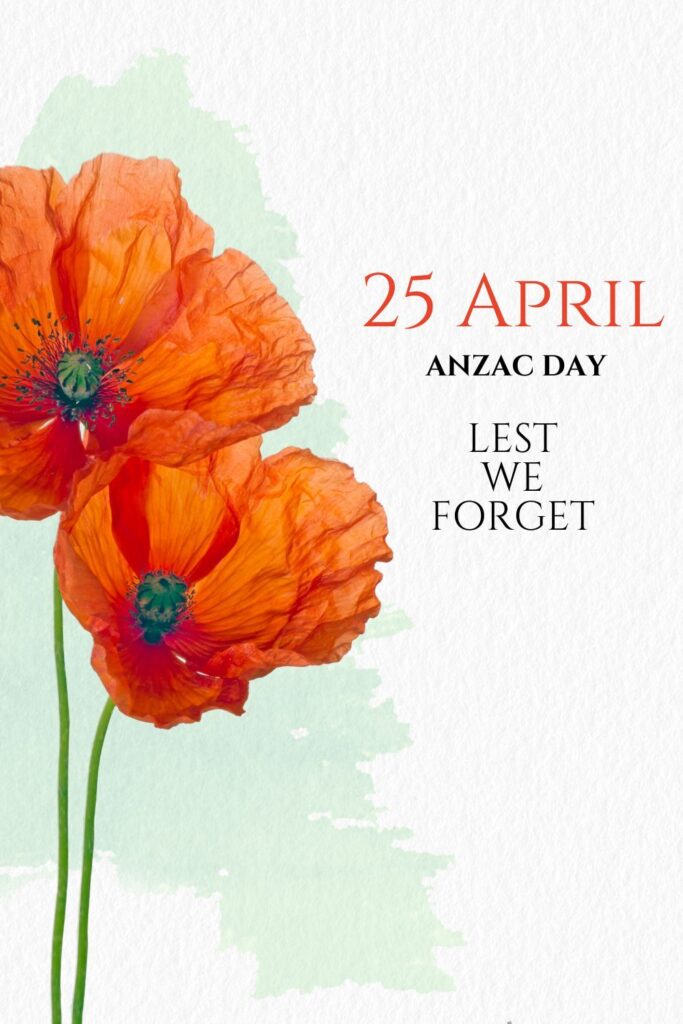
Every year on April 25, people in Australia and New Zealand pause to observe one of the most meaningful national days of remembrance—ANZAC Day. This day honors the courage, sacrifice, and service of the men and women who served in military operations, particularly those who fought during World War I. While the date originally marked the landing of the Australian and New Zealand Army Corps (ANZAC) at Gallipoli in 1915, the day has grown to represent a broader tribute to all veterans who served their countries.
Unlike many holidays that focus on celebration, ANZAC Day is a solemn and reflective observance. It is a time for quiet respect, remembrance ceremonies, and heartfelt ANZAC Day messages that acknowledge the sacrifices made by generations of soldiers. The tone of this day is deeply respectful, often expressed through remembrance messages, thoughtful reflections, and timeless “Lest We Forget” quotes.
For people unfamiliar with the observance, a common question arises: Is it appropriate to say “Happy ANZAC Day”? The short answer is no. Because the day commemorates lives lost in war, the appropriate tone is reflective and respectful rather than celebratory. Messages typically focus on gratitude, remembrance, and honoring the legacy of veterans.
In this article from Riya’s Blogs, we will explore the meaning of ANZAC Day, its history, how it is commemorated, and how to write respectful messages that honor the spirit of remembrance.
The History Behind ANZAC Day
The story of ANZAC Day begins during World War I. On April 25, 1915, soldiers from the Australian and New Zealand Army Corps landed on the Gallipoli Peninsula in modern-day Turkey. Their mission was to capture the peninsula as part of an Allied effort to secure a sea route to Russia and weaken the Ottoman Empire.
The landing at Gallipoli proved extremely difficult. The soldiers faced steep terrain, fierce resistance, and harsh battlefield conditions. The campaign lasted more than eight months and resulted in heavy casualties on all sides. Over 8,000 Australian soldiers and more than 2,700 New Zealand soldiers lost their lives during the campaign.
Although the military objective was not achieved, the courage and determination displayed by the soldiers left a lasting impact on the national identities of both Australia and New Zealand. The term “ANZAC spirit” emerged to represent qualities such as bravery, endurance, mateship, and sacrifice.
The first ANZAC Day commemorations took place in 1916, just one year after the Gallipoli landing. Since then, April 25 has been observed annually as a day to honor all those who served in wars, conflicts, and peacekeeping missions.
Today, ANZAC Day remains one of the most significant national days of remembrance in both countries.
The Meaning and Spirit of ANZAC Day
ANZAC Day is more than a historical anniversary—it represents a collective act of remembrance. It is a time to reflect on the sacrifices made by soldiers and their families, as well as the lasting impact of war on societies.
The values associated with the ANZAC spirit include:
- Courage in the face of adversity
- Loyalty and friendship among soldiers
- Resilience and determination
- Selfless service for the greater good
Because of this deep emotional and historical significance, the language used on ANZAC Day tends to be solemn and respectful. Instead of celebratory greetings, people share thoughtful remembrance messages and veteran appreciation lines to express gratitude and reflection.
The phrase “Lest We Forget” is commonly used on this day. It serves as a reminder that the sacrifices of those who served must never be forgotten by future generations.
How ANZAC Day Is Commemorated
Across Australia, New Zealand, and other parts of the world, ANZAC Day is marked by a series of meaningful traditions and ceremonies.
Dawn Services
One of the most important traditions is the Dawn Service, held in the early morning hours of April 25. The ceremony symbolizes the time of the original Gallipoli landing and creates a quiet moment for reflection.
During these services, participants gather to hear readings, prayers, and the playing of the Last Post, a bugle call traditionally used in military funerals and memorials.
The silence observed during the ceremony is one of the most powerful moments of the day.
Commemorative Marches
Later in the morning, veterans and their families often participate in commemorative marches. These marches honor those who served and allow communities to show appreciation for veterans.
Many people wear medals, poppies, or rosemary sprigs as symbols of remembrance.
Community Gatherings
ANZAC Day is also marked by gatherings in local communities, schools, and workplaces. These events may include historical reflections, storytelling, or moments of silence.
Such activities ensure that younger generations understand the importance of remembrance and respect.
Writing Respectful ANZAC Day Messages
Because ANZAC Day is a solemn observance, the tone of messages shared on this day should always reflect respect and gratitude.
A common question people ask is whether it is appropriate to say “Happy ANZAC Day.” The answer is generally no. Since the day commemorates sacrifice and loss, greetings should focus on remembrance rather than celebration.
Instead, messages should express reflection, gratitude, and honor for veterans.
Here are some examples of appropriate ANZAC Day messages and respectful memorial wording:
- “Today we remember the courage and sacrifice of those who served. Lest we forget.”
- “Honoring the bravery of the men and women who gave so much for their country.”
- “On ANZAC Day, we pause to remember the sacrifices that shaped our history.”
- “Their courage lives on in our memory. Lest we forget.”
- “With gratitude and respect, we remember all who served.”
These types of messages focus on remembrance rather than celebration.
“Lest We Forget” Quotes and Remembrance Lines
One of the most recognizable elements of ANZAC Day is the use of powerful remembrance phrases.
“Lest We Forget” is the most widely used line, reminding people of the importance of honoring those who sacrificed their lives.
Here are a few meaningful lest we forget quotes and respectful remembrance lines:
- “They shall grow not old, as we that are left grow old.”
- “Age shall not weary them, nor the years condemn.”
- “At the going down of the sun and in the morning, we will remember them.”
- “Their legacy lives on through remembrance.”
- “Service and sacrifice will never be forgotten.”
These lines are often recited during ceremonies or shared in written messages as part of memorial tributes.
Veteran Appreciation and Gratitude
Another important aspect of ANZAC Day is acknowledging the service of veterans who returned from war. While remembrance focuses on those who lost their lives, veteran appreciation lines express gratitude for those who served and continued their lives afterward.
Simple and sincere messages can carry deep meaning, such as:
- “With deep respect, we thank all veterans for their courage and dedication.”
- “Your service and sacrifice will always be remembered.”
- “Today we honor those who served and protected the freedoms we cherish.”
These messages help ensure that the contributions of veterans are recognized and valued.
The Global Recognition of ANZAC Day
Although ANZAC Day is primarily associated with Australia and New Zealand, it is also observed in other parts of the world.
Memorial services take place at Gallipoli in Turkey, where thousands gather each year to honor the soldiers who fought there. Ceremonies are also held in countries where Australian and New Zealand troops served, including the United Kingdom, France, and Singapore.
These international commemorations demonstrate how the memory of the ANZAC soldiers continues to resonate across generations and borders.
Why ANZAC Day Still Matters Today
More than a century after the Gallipoli campaign, ANZAC Day remains an important reminder of the realities of war and the value of peace.
By remembering the sacrifices of the past, societies reinforce the importance of unity, resilience, and compassion.
For younger generations, the day also provides an opportunity to learn about history and understand the significance of the freedoms they enjoy today.
Through ceremonies, stories, and respectful memorial wording, the legacy of those who served continues to live on.
Conclusion
ANZAC Day on April 25 is a powerful reminder of courage, sacrifice, and national identity. It commemorates the bravery of the Australian and New Zealand Army Corps at Gallipoli while honoring all veterans who served in wars and peacekeeping missions.
Unlike celebratory holidays, the day is observed with solemn respect. The most appropriate way to mark the occasion is through thoughtful ANZAC Day messages, meaningful remembrance messages, and heartfelt veteran appreciation lines that acknowledge the sacrifices made by generations of soldiers.
By sharing respectful reflections and timeless “Lest We Forget” quotes, people ensure that the memory of those who served will never fade.
As the years pass, ANZAC Day continues to remind us that remembrance is not just about the past—it is about honoring courage, preserving history, and carrying forward the values of sacrifice and resilience for future generations.
Want to read a bit more? Find some more of my writings here-
Earth Day (Apr 22): Meaning, Importance, and the Best Earth Day Messages to Share
World Meningitis Day (Apr 24): Respectful Messages, Awareness, and the Importance of Education
World Book Day (Apr 23): Why It Matters, What to Write, and How to Celebrate the Joy of Reading
I hope you liked the content.
To share your views, you can simply send me an email.
Thank you for being keen readers to a small-time writer.