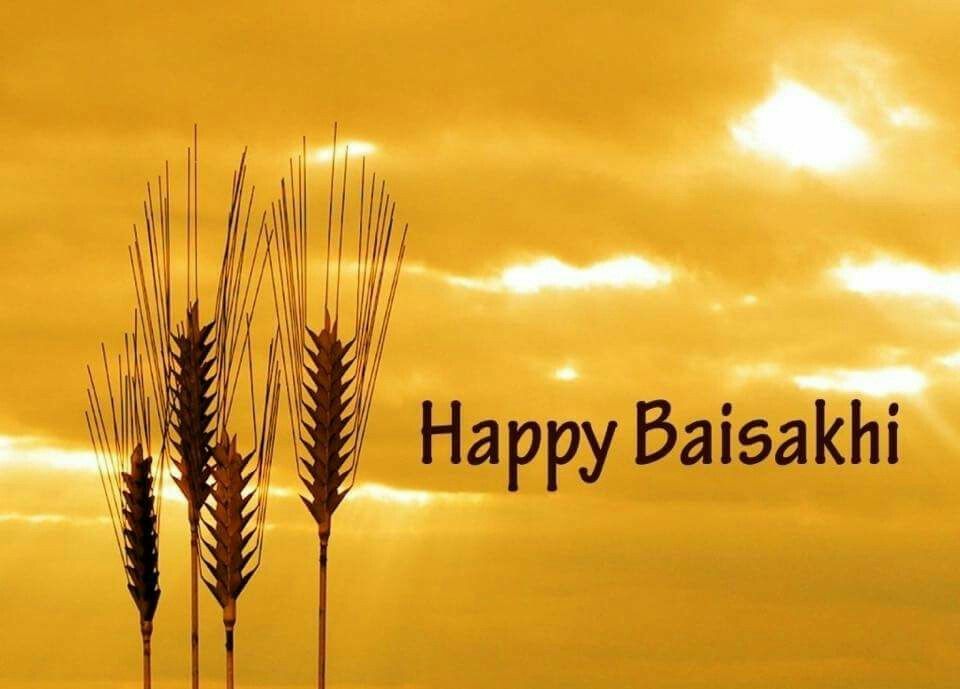
Baisakhi, also spelled Vaisakhi, is one of the most vibrant and meaningful festivals celebrated in India, particularly in the state of Punjab. Observed every year on April 13 or 14, this festival marks the Sikh New Year, celebrates the harvest season, and commemorates a pivotal moment in Sikh history — the creation of the Khalsa Panth by Guru Gobind Singh Ji in 1699.
For millions of people, Baisakhi is a day of joy, gratitude, and community spirit. Farmers celebrate the successful harvest of crops, families gather for festive meals, and Sikh communities around the world visit Gurdwaras to offer prayers and participate in religious ceremonies. The day is also filled with colorful cultural traditions, from energetic Bhangra and Gidda dances to vibrant processions known as Nagar Kirtans.
In recent years, Baisakhi celebrations have also found a place on social media and digital greeting platforms, where people share Baisakhi wishes, Vaisakhi greetings, harvest festival wishes, and Punjabi festival quotes with friends, family, and colleagues. Whether you are celebrating the spiritual significance of the day or simply appreciating the beauty of the harvest season, Baisakhi is a festival that brings people together in gratitude and joy.
What is Baisakhi?
At its core, Baisakhi is both a religious and agricultural festival. In northern India, particularly in Punjab and Haryana, it marks the harvest of rabi crops such as wheat, making it one of the most important harvest festivals of the region.
For farmers, Baisakhi represents the culmination of months of hard work in the fields. The golden wheat harvest symbolizes prosperity, abundance, and the rewards of patience and dedication. Villages celebrate with music, dancing, fairs, and community gatherings.
But beyond agriculture, Baisakhi holds deep spiritual importance in Sikhism. On April 14, 1699, Guru Gobind Singh Ji established the Khalsa, a spiritual brotherhood of committed Sikhs dedicated to equality, courage, and devotion to God. This historic event took place at Anandpur Sahib, where thousands of Sikhs gathered to witness the birth of the Khalsa identity.
Because of this momentous event, Baisakhi is widely recognized as the Sikh New Year, and it is observed with great devotion in Sikh communities around the world.
The Historical Significance of Baisakhi in Sikhism
The story of Baisakhi in Sikh history is both powerful and inspiring.
In 1699, Guru Gobind Singh Ji called a gathering of Sikhs at Anandpur Sahib on the day of Baisakhi. During the assembly, he asked for volunteers who were willing to sacrifice their lives for their faith. One by one, five men stepped forward. These five individuals later became known as the Panj Pyare, or the “Five Beloved Ones.”
Guru Gobind Singh Ji initiated them into the Khalsa, a community devoted to righteousness, equality, and bravery. He also established the Five Ks, the five physical articles of faith that baptized Sikhs wear:
- Kesh (uncut hair)
- Kangha (wooden comb)
- Kara (steel bracelet)
- Kachera (cotton undergarments)
- Kirpan (ceremonial sword)
This moment transformed Sikh identity and reinforced the values of justice, courage, and spiritual discipline.
Because of this historic event, Baisakhi is not just a festival but a day of spiritual reflection, pride, and unity for the Sikh community.
How Baisakhi is Celebrated
The celebrations of Baisakhi are colorful, joyful, and deeply rooted in tradition. While the exact customs may vary by region, several key traditions remain central to the festival.
Visiting the Gurdwara
The day typically begins with early morning prayers at the Gurdwara, the Sikh place of worship. Devotees participate in kirtan (devotional singing) and listen to readings from the Guru Granth Sahib, the Sikh holy scripture.
Many Gurdwaras organize special prayer services, and the community gathers to celebrate together in a spirit of equality and devotion.
Nagar Kirtan Processions
A significant part of Baisakhi celebrations is the Nagar Kirtan, a religious procession led by the Panj Pyare. These processions include devotional music, Sikh martial arts demonstrations, and community singing as people walk through the streets sharing messages of faith and unity.
Community Langar
Another beautiful tradition is Langar, the community kitchen. Volunteers prepare and serve free meals to everyone regardless of religion, background, or social status. This tradition reflects Sikh values of seva (selfless service) and equality.
Cultural Festivities
Outside the religious celebrations, Baisakhi is also marked by lively cultural events. People wear bright Punjabi attire and participate in traditional dances like Bhangra and Gidda, which celebrate the joy of the harvest.
Fairs, folk music performances, and local markets often accompany the festivities, making the entire atmosphere vibrant and festive.
Baisakhi Wishes and Vaisakhi Greetings
Sharing thoughtful Baisakhi wishes is a wonderful way to celebrate the spirit of the festival with loved ones. Whether you are sending greetings through social media, messaging apps, or greeting cards, heartfelt words can capture the joy of the occasion.
Here are some examples of Vaisakhi greetings and harvest festival wishes that you can share:
- May the spirit of Baisakhi bring happiness, prosperity, and peace to your life. Happy Baisakhi!
- Wishing you a joyful harvest season and a wonderful Sikh New Year filled with blessings.
- May this beautiful festival of harvest bring abundance and positivity to your home.
- Let the colors of Baisakhi fill your life with happiness and success. Warm Vaisakhi greetings to you and your family.
- On this special day, may Waheguru bless you with courage, faith, and prosperity.
These simple yet meaningful messages capture the essence of the festival and help spread positivity.
Writing a Respectful Sikh New Year Message
If you are sharing greetings publicly or with colleagues, it is important to be respectful of the festival’s cultural and religious significance.
A good Sikh New Year message should focus on themes such as gratitude, community, and blessings. Avoid humor that might undermine the spiritual meaning of the day, and instead highlight the values of unity and prosperity.
For example:
- Wishing everyone celebrating Baisakhi a joyful and blessed Sikh New Year. May this harvest festival bring peace, prosperity, and happiness to all.
Such messages are suitable for workplaces, professional networks, and community greetings.
Short Baisakhi Wishes and Baisakhi Captions
In the age of social media, many people prefer short greetings that are perfect for Instagram, WhatsApp, or Facebook posts. These Baisakhi captions and Punjabi festival quotes help capture the festive spirit in just a few words.
Examples include:
- Harvest happiness, celebrate blessings. Happy Baisakhi!
- A new harvest, a new beginning. Vaisakhi di lakh lakh vadhaiyan!
- Grateful for the harvest, grateful for life. Happy Baisakhi!
- May your fields be golden and your heart full of joy.
- Celebrating faith, gratitude, and the spirit of Punjab.
These captions are simple yet meaningful ways to celebrate the day online.
Baisakhi Around the World
While Baisakhi is deeply rooted in Punjab, the festival is celebrated globally wherever Sikh communities reside. Countries such as Canada, the United Kingdom, the United States, and Australia host large Baisakhi celebrations with parades, cultural events, and community gatherings.
Cities like Vancouver, London, and Toronto are known for organizing some of the largest Vaisakhi parades outside India. These celebrations showcase Sikh culture, Punjabi traditions, and the spirit of community service.
For many people living abroad, Baisakhi is also a reminder of their heritage and an opportunity to share their traditions with others.
The Cultural Message Behind the Harvest Festival
Beyond religious rituals and celebrations, Baisakhi carries a deeper message about gratitude and renewal. Harvest festivals across the world celebrate the same idea: recognizing the value of nature, hard work, and community cooperation.
Baisakhi reminds us to appreciate the effort that goes into producing food, the importance of sharing resources, and the joy of celebrating together. In a fast-paced world, festivals like this bring people back to simple values — gratitude, generosity, and unity.
Many modern celebrations also highlight these themes through harvest festival wishes, Punjabi festival quotes, and community celebrations that emphasize kindness and togetherness.
Conclusion
Baisakhi is far more than a seasonal celebration. It is a festival that combines history, spirituality, agriculture, and cultural pride into a powerful expression of community and gratitude.
For farmers, it marks the reward of a successful harvest. For Sikhs, it commemorates the birth of the Khalsa and the beginning of the Sikh New Year. For families and communities, it is a day filled with joy, prayers, music, and togetherness.
Whether you are visiting a Gurdwara, attending a festive parade, dancing to traditional Punjabi music, or simply sharing heartfelt Baisakhi wishes and Vaisakhi greetings, the spirit of the festival lies in spreading positivity and gratitude.
As highlighted here on Riya’s Blogs, Baisakhi reminds us that celebrations are not only about tradition but also about connection — with our heritage, our community, and the blessings that fill our lives.
Happy Baisakhi! May this harvest festival bring prosperity, happiness, and peace to you and your loved ones. 🌾✨
Want to read a bit more? Find some more of my writings here-
National Pet Day (April 11): Celebrating the Love, Loyalty, and Joy Our Pets Bring
National Siblings Day (April 10): Celebrating the People Who Know Us Best
I hope you liked the content.
To share your views, you can simply send me an email.
Thank you for being keen readers to a small-time writer.