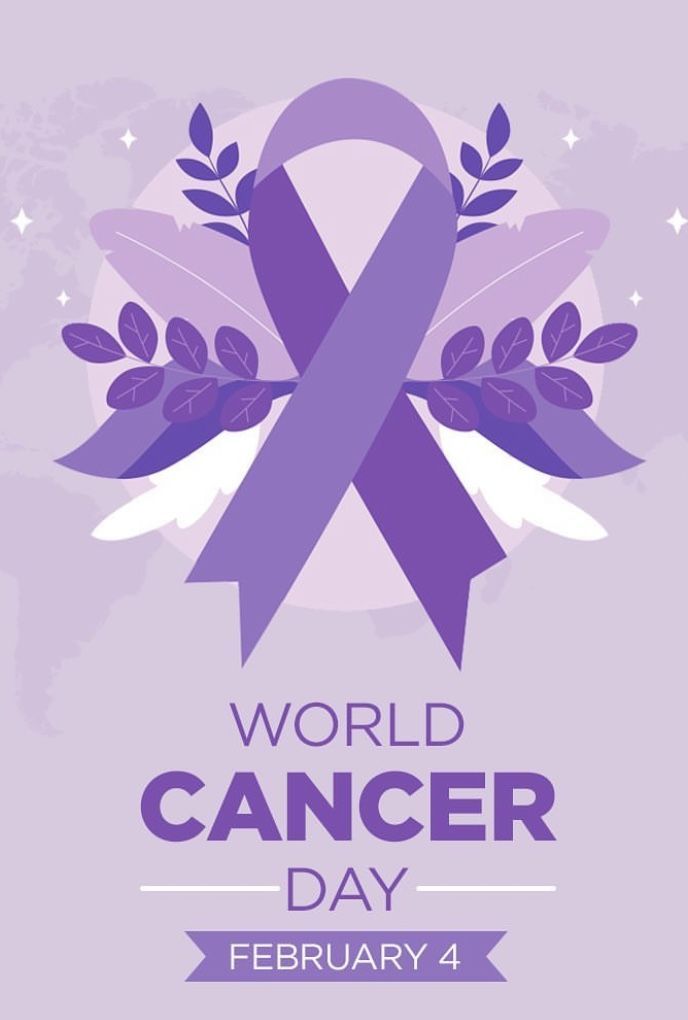
Every year on February 4, the world marks World Cancer Day—a moment to pause, learn, and act together against one of the biggest health challenges of our time. You’ll see it described as a global health campaign because it’s not just a symbolic day. It’s designed to push real change: better awareness, smarter prevention education, stronger support for patients and families, and more equitable access to early detection and treatment.
If you’ve ever wondered “Why is World Cancer Day observed?” or “Who organizes this day?”—or if you simply want practical ways to support cancer awareness without feeling overwhelmed—this guide is for you.
What World Cancer Day is—and who organizes it
World Cancer Day is led by the Union for International Cancer Control (UICC), a global organization that brings together cancer-focused groups, health systems, researchers, and advocates across many countries. UICC coordinates World Cancer Day to unify messaging and help communities worldwide take action in ways that fit their local needs.
You’ll often hear it discussed alongside the World Health Organization (WHO) because the day aligns closely with global public health goals, and WHO is a key voice in cancer control worldwide. Many World Cancer Day efforts are WHO-aligned and frequently supported or amplified through partnerships with public health institutions. That’s why some people refer to it as a “WHO initiative,” but more precisely, it’s a UICC-led initiative that sits within the broader global public health push championed by bodies like WHO.
So, to answer one of the biggest user questions directly:
- Who organizes this day? → UICC leads World Cancer Day, working with partners across countries, including institutions and public health leaders aligned with WHO’s cancer control agenda.
Why World Cancer Day is observed
Cancer touches almost every family, in every country. And while treatment has improved dramatically in many places, the reality is still uneven: where you live, how much you earn, your access to screening, and even the language you speak can influence whether cancer is found early, treated on time, and managed with dignity.
World Cancer Day exists to make sure we talk about cancer in a way that leads to progress—especially in areas that matter most:
- Awareness that’s actually useful
Not “cancer is scary” awareness—but awareness that helps people understand symptoms, screening, and where to find help. - Prevention education
Many cancers are linked to modifiable risk factors. Awareness can translate into healthier choices, better policies, and stronger community support. - Early detection
Cancer outcomes often improve when it’s found early. World Cancer Day pushes screening, symptom awareness, and better healthcare access. - Equity and support
Cancer doesn’t just affect the body. It affects finances, mental health, relationships, work, and identity. World Cancer Day highlights the need for support programs and systems that care for the whole person—not just the disease.
At its core, the day is observed to remind us that cancer control is not only about hospitals and doctors—it’s also about education, access, compassion, policy, and community.
What is the annual theme?
World Cancer Day usually has a guiding annual theme (sometimes part of a multi-year campaign theme). The point of the theme is to keep global messaging focused—so that governments, nonprofits, hospitals, workplaces, and individuals are moving in the same direction.
Because I can’t access live web pages from here, I can’t verify the current theme for the most recent year in real time. The most widely referenced recent campaign theme from UICC that I can state confidently (based on established materials) is “Close the Care Gap” (2022–2024), which focused on reducing inequalities in cancer care.
If you’re writing a time-sensitive piece for this year’s February 4 event, the safest approach is to quote the theme exactly as listed by UICC on its official World Cancer Day page and then build your article around it. (I can still help you integrate the theme smoothly if you paste it here.)
Even without the exact current theme phrase, the meaning of “annual theme” remains consistent: it’s a way to spotlight what the world needs to do next—together.
Essential facts that make World Cancer Day matter
To keep things simple and grounded, here are a few facts that explain why cancer awareness and action matter so much:
- Cancer is a leading cause of death worldwide.
Global estimates show cancer causes millions of deaths every year, and the number of new cases is expected to rise as populations grow and age. (Sources for global estimates commonly used: WHO and IARC/International Agency for Research on Cancer.) - A meaningful share of cancers are preventable.
Public health agencies consistently report that many cancers are linked to risk factors that can be reduced—especially tobacco use, alcohol use, unhealthy diet, physical inactivity, and certain infections. - Early detection can save lives.
Many cancers are more treatable when found early. That’s why screening programs and symptom awareness are so central to World Cancer Day messaging. - Cancer is not just a medical issue—it’s a life issue.
People may face treatment side effects, emotional stress, financial strain, disruptions to work and family life, and long-term follow-up care. That’s where strong support programs become crucial.
This is why World Cancer Day is more than a date. It’s a global reminder that prevention, detection, treatment, and support must work together.
Key prevention tips that actually help
When people ask “What are key prevention tips?” they usually want advice that feels realistic—not guilt-driven, not extreme, and not complicated.
Here are evidence-based prevention pillars that public health agencies emphasize, explained in plain language:
1) Avoid tobacco in every form
Tobacco is one of the biggest preventable causes of cancer. That includes smoking, smokeless tobacco, and exposure to secondhand smoke. Quitting can be hard, but it’s one of the most powerful changes someone can make for long-term health.
What you can do:
- If you use tobacco: seek cessation support (nicotine replacement, counseling, quitlines).
- If you don’t: protect your environment and support smoke-free spaces.
2) Maintain a healthier routine (without perfection)
Regular physical activity and a balanced diet are consistently recommended for reducing risk. This isn’t about “never eating sugar” or obsessing over “clean eating.” It’s about patterns over time.
What you can do:
- Move more most days (walks count).
- Eat more whole foods when possible: fruits, vegetables, legumes, whole grains.
- Reduce heavily processed foods when you can.
3) Keep alcohol modest (or avoid it)
Alcohol is associated with increased risk for multiple cancers. The risk tends to rise with higher consumption.
What you can do:
- If you drink: lower the amount and frequency.
- If you don’t: there’s no health need to start.
4) Protect your skin from excessive UV exposure
Skin cancer prevention often comes down to consistent habits.
What you can do:
- Use sunscreen regularly when outdoors, seek shade, and avoid tanning beds.
5) Vaccinate against cancer-linked infections
Some infections increase cancer risk. Two major examples:
- HPV (linked to cervical and other cancers)
- Hepatitis B (linked to liver cancer)
What you can do:
- Follow recommended vaccine schedules and talk to a clinician about eligibility.
6) Reduce exposure to carcinogens where possible
This can include workplace exposures, indoor air pollution, and environmental risks.
What you can do:
- Follow workplace safety guidance.
- Improve ventilation, reduce indoor smoke exposure, and use protective equipment when needed.
Prevention is not about blaming people. It’s about giving everyone a fair chance at healthier outcomes through education, access, and supportive systems.
Early detection: what it means, and why it matters
Early detection doesn’t mean “you can prevent every cancer if you try hard enough.” It means catching cancer sooner—often before symptoms become severe—so treatment can be more effective.
There are two big pieces:
- Screening programs (for certain cancers and age/risk groups)
Examples commonly included in national guidelines include screening for cervical cancer, breast cancer, and colorectal cancer, depending on age and risk. - Symptom awareness and timely care
Some people delay seeking help because symptoms feel minor, confusing, or scary. But getting checked early can make a huge difference.
A simple rule of thumb:
If something in your body feels persistently “off” (unexplained weight loss, bleeding, a lump, ongoing pain, changes in bowel habits, chronic cough, unexplained fatigue), it’s worth a conversation with a healthcare professional. Most symptoms won’t be cancer—but it’s better to check than to guess.
How people can support cancer awareness on February 4
A lot of people want to help but don’t know what “help” actually looks like. Here are practical, meaningful ways to support cancer awareness and the February 4 event without needing a big platform:
Share accurate, non-alarming information
On World Cancer Day, simple posts can go a long way if they’re responsible:
- Encourage screening and early checkups
- Share prevention tips (tobacco, vaccines, lifestyle)
- Promote empathy and support for patients and survivors
Fundraise or donate thoughtfully
If you donate, consider organizations that:
- Provide treatment access
- Support patient navigation (helping people understand and reach care)
- Offer counseling, transportation, or financial assistance
- Invest in research and prevention education
Volunteer your skills
Cancer support isn’t only medical. People need:
- Community outreach
- Translation and interpretation
- Admin support
- Event organization
- Digital skills (design, content, tech)
Support someone directly (and gently)
If someone you know is in treatment or caregiving:
- Offer specific help (“I can drop groceries on Thursday”)
- Respect boundaries
- Avoid pushing “miracle cures” or unsolicited advice
- Listen more than you speak
Advocate at work or school
Even small actions matter:
- Invite a speaker for a short awareness session
- Organize a screening info drive
- Promote health insurance literacy and employee support resources
- Encourage compassionate leave and flexible policies for caregivers
The best awareness is the kind that makes people feel seen—and makes help easier to access.
Support programs: what they are and where they fit
The phrase support programs can sound vague, but it’s one of the most important parts of cancer care. Support may include:
- Patient navigation: help with appointments, referrals, and understanding treatment steps
- Mental health support: counseling for patients and families
- Financial counseling: guidance on insurance, bills, and assistance programs
- Transportation and lodging support: especially for people traveling for treatment
- Rehabilitation and survivorship programs: managing long-term side effects, fatigue, mobility, nutrition, and returning to daily life
- Palliative care: comfort-focused support that can be used alongside treatment, not only at end-of-life
World Cancer Day encourages communities to recognize that fighting cancer includes building a world where people aren’t forced to face the disease alone.
Conclusion
World Cancer Day (February 4) is observed to unite the world around a simple but powerful idea: cancer outcomes improve when people have access to prevention education, early detection, timely treatment, and support. It’s a global health campaign led by UICC, amplified by global partners and aligned with public health priorities emphasized by organizations such as WHO.
Whether you share accurate information, encourage screening, support a fundraiser, volunteer your time, or simply show up for someone going through it, your actions matter. Cancer can be overwhelming—but collective effort makes progress possible.

Want to read a bit more? Find some more of my writings here-
Top 10 Romantic Date Ideas for Every Budget
25 Savage Quotes to Clap Back with Style
Nutritional Yeast: The Golden Flakes of Nutrition You Didn’t Know You Needed
I hope you liked the content.
To share your views, you can simply send me an email.
Thank you for being keen readers to a small-time writer.