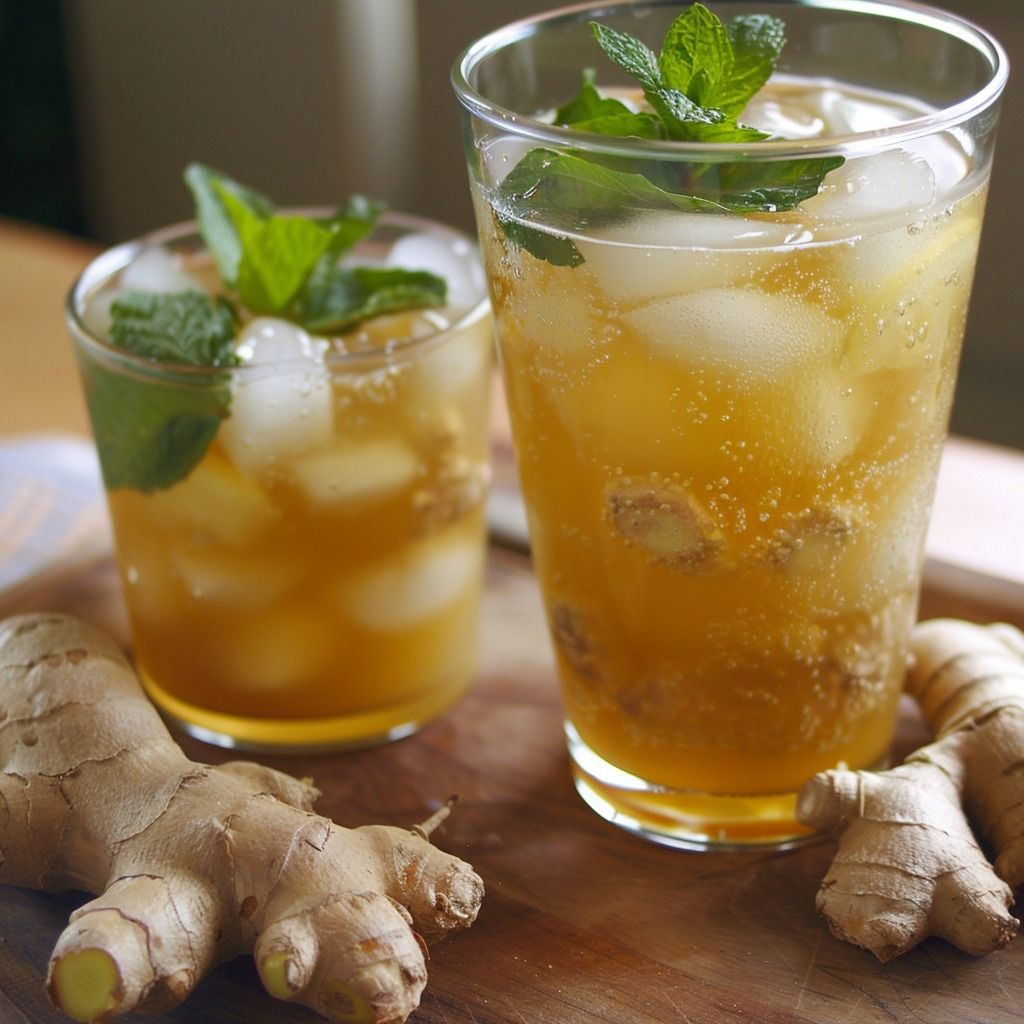
Introduction: More Than a Fizzy Comfort
If you’ve ever been handed a glass of ginger ale when feeling queasy, you’re not alone. For decades, this bubbly beverage has been the go-to “feel-better drink” for upset stomachs and nausea. But have you ever stopped to wonder what’s actually in your ginger ale? Is it truly a healing tonic, or is it just a sweet, gingery soda with a comforting reputation?
Let’s take a closer look at this golden effervescent drink — its history, how it’s made, what’s inside, its benefits and myths, and even how it fits into today’s wellness trends. You might just discover that ginger ale is more complex, flavorful, and fascinating than it first appears.
1. A Brief History: From Medicinal Brew to Modern Classic
The story of ginger ale begins long before the fizzy cans and bottles we find in stores today. The roots of the drink (pun intended) go all the way back to the 19th century.
The Origins in Ireland and Canada
The earliest version, known as “golden ginger ale,” was created in the mid-1800s in Ireland. It was darker, more pungent, and closer to real ginger beer than the modern soda. Later, in 1904, a Canadian pharmacist named John McLaughlin developed a lighter, crisper, and more refined version called “Canada Dry.” This became the iconic pale dry ginger ale that took the world by storm — and still dominates the market today.
From Medicine Cabinet to Party Drink
Initially marketed as a medicinal tonic, ginger ale was believed to aid digestion and ease nausea. Over time, it became a staple mixer in cocktails and a family-friendly alternative to alcoholic beverages. Today, it bridges both worlds — a soothing home remedy and a refreshing carbonated delight.
2. What Is Ginger Ale, Really?
At its core, ginger ale is a carbonated soft drink flavored with ginger. But the real story lies in how it’s made and what kind you’re drinking.
The Two Main Types of Ginger Ale
- Dry (Pale) Ginger Ale – Light, crisp, and mild in flavor. This is what you’ll typically find in brands like Canada Dry or Schweppes. It’s often used as a mixer in drinks like whiskey ginger or mocktails.
- Golden Ginger Ale – Richer in color and spicier in taste. Think of brands like Vernors, which have a deep caramel hue and a stronger kick of ginger.
What’s Inside?
While each brand has its own recipe, most ginger ale contains:
- Carbonated water
- Sugar or high fructose corn syrup
- Citric acid
- Natural or artificial ginger flavor
- Preservatives (like sodium benzoate)
- Coloring (sometimes caramel color)
However, some craft ginger ales are made with real ginger juice or extract and minimal additives, offering a more authentic and potentially healthier option.
3. The Science Behind Ginger’s Healing Power

So, does ginger ale really help when you’re nauseous? The answer lies in its key ingredient — ginger.
The Active Compounds: Gingerol and Shogaol
Ginger contains compounds like gingerol and shogaol, which have anti-inflammatory and anti-nausea properties. These compounds interact with the digestive and nervous systems, helping calm an upset stomach and reduce motion sickness or nausea.
However — and this is crucial — most commercial ginger ales contain little to no real ginger. So while the idea of ginger ale as a remedy is rooted in truth, not all versions actually deliver the benefits of real ginger.
4. Ginger Ale for Nausea: Myth or Medicine?
Many people swear by ginger ale for soothing nausea, morning sickness, or even hangovers. But how effective is it really?
When It Helps
If you’re drinking a ginger ale made with real ginger extract, it may indeed help with mild nausea. The carbonation can also ease discomfort by helping release gas and settling the stomach.
When It Doesn’t
If your drink is mostly sugar and artificial flavoring, you’re likely just consuming a sweet soda. While it might feel soothing temporarily, it doesn’t contain the therapeutic compounds of ginger that combat nausea at a biochemical level.
In short: Ginger = good. Ginger-flavored sugar water = comfort placebo.
5. Comparing Ginger Ale, Ginger Beer, and Ginger Tea
It’s easy to confuse ginger ale with other ginger-based beverages, but they’re quite different in origin and purpose.
| Beverage | Fermentation | Flavor | Common Uses |
| Ginger Ale | No | Sweet, mild, fizzy | Everyday drink, mixers |
| Ginger Beer | Yes (lightly fermented) | Strong, spicy, cloudy | Cocktails (e.g., Moscow Mule) |
| Ginger Tea | No | Warm, spicy, natural | Medicinal, soothing for cold or nausea |
Ginger beer has more bite and real ginger content, while ginger tea offers the purest health benefits. Ginger ale, meanwhile, stands between wellness and refreshment — a fizzy middle ground.
6. Health Benefits of Ginger Ale
If made with authentic ingredients, ginger ale can offer several benefits:
1. Eases Nausea and Indigestion
As discussed, real ginger in ginger ale can reduce nausea and help digestion by stimulating saliva, bile, and gastric enzymes.
2. Hydration Support
When you’re sick, sipping ginger ale can encourage fluid intake, especially if you’re unable to tolerate plain water. Just choose low-sugar options.
3. Anti-Inflammatory Potential
The natural compounds in ginger have mild anti-inflammatory effects, which may relieve sore muscles, cramps, or joint stiffness.
4. Mood and Comfort
The familiar fizz and flavor of ginger ale often provide emotional comfort — sometimes, that’s just as important as the physical benefits.
7. The Downside: Sugar, Additives, and False Labels
Here’s where things get tricky. The ginger ale you buy at the supermarket might look healthy, but the reality is often less so.
Hidden Sugar Content
A 12-ounce can of ginger ale can contain up to 35 grams of sugar, nearly equal to a can of cola. That’s over 8 teaspoons of sugar — which can lead to energy crashes, weight gain, and blood sugar spikes.
Lack of Real Ginger
Many brands use “natural flavor” instead of real ginger extract. That means you may not get any of the digestive or anti-nausea benefits — just the illusion of them.
Sodium and Preservatives
While minimal in small amounts, excessive consumption can contribute to bloating, fluid retention, and other health concerns.
8. Healthier Alternatives and DIY Recipes
If you love ginger ale but want to make it healthier, try these options:
1. DIY Ginger Ale (Homemade Version)
Ingredients:
- 2 tablespoons fresh grated ginger
- 1 cup sugar (or honey for a natural option)
- 1 cup water
- Sparkling water
- Fresh lemon juice (optional)
Instructions:
- Make ginger syrup by boiling ginger, water, and sugar for 10 minutes.
- Let it cool, strain, and mix a few tablespoons with sparkling water.
- Add lemon juice or mint for extra freshness.
This version contains real ginger and far less sugar — a fizzy, flavorful, and health-friendly drink.
2. Low-Sugar Brands
Some premium brands now offer real ginger ale with clean ingredients, such as:
- Reed’s Real Ginger Ale
- Bruce Cost Ginger Ale
- Fever-Tree Refreshingly Light Ginger Ale
These contain authentic ginger extracts and less sugar.
9. Ginger Ale in Cocktails and Culinary Use
Beyond being a standalone drink, ginger ale adds zest and sophistication to cocktails and recipes.
Classic Mixes
- Whiskey Ginger: A timeless combination of ginger ale and whiskey.
- Shirley Temple: A non-alcoholic classic made with ginger ale, grenadine, and a maraschino cherry.
- Ginger Ale Mojito: A refreshing twist using mint, lime, and ginger fizz.
In the Kitchen
Try using ginger ale as:
- A marinade base for chicken or pork
- A baking ingredient to add moisture and flavor
- A deglazing liquid for pan sauces
It adds a mild sweetness and tang that enhances savory and sweet dishes alike.
10. The Modern Comeback of Ginger Ale
In recent years, ginger ale has made a comeback thanks to the rise of craft sodas and wellness drinks. People are seeking beverages that are both nostalgic and natural, and ginger ale hits that sweet spot perfectly.
The Craft Revolution
Small brands now experiment with:
- Cold-pressed ginger juice
- Organic cane sugar
- Exotic spices like turmeric or lemongrass
These artisanal versions are restoring ginger ale to its roots as a functional, flavorful beverage rather than just a sugary soda.
11. Myths and Misconceptions
Let’s bust a few myths about ginger ale that often circulate:
| Myth | Reality |
| “All ginger ale helps nausea.” | Only those with real ginger content truly help. |
| “It’s a healthy drink.” | Most are high in sugar; moderation is key. |
| “Ginger ale is the same as ginger beer.” | Nope — different preparation, strength, and flavor. |
| “Diet ginger ale is better.” | It has fewer calories but often more artificial ingredients. |
12. How to Choose the Right Ginger Ale
If you’re shopping for a good ginger ale, here’s what to check:
- Ingredients list: Look for “real ginger extract” or “ginger juice.”
- Sugar content: Aim for under 20g per serving.
- Color: Clear versions are often lighter and less caramel-heavy.
- Brand transparency: Premium and craft brands usually list sourcing details.
Remember: The best ginger ale tastes good and does good.
13. Ginger Ale in Culture and Memory
For many of us, ginger ale is more than a drink — it’s a memory. It’s that bubbly comfort offered by a caring parent when you were sick, the golden fizz in your glass at holiday dinners, or the quiet companion during long flights.
This emotional connection is part of why ginger ale endures. It symbolizes comfort, care, and calm — a humble drink with heart.
Conclusion: A Classic That Keeps Evolving
From its medicinal beginnings to its modern-day revival, ginger ale has stood the test of time — adapting, refreshing, and comforting across generations. Whether you drink it for nausea relief, cocktail mixing, or simply nostalgia, it remains a staple that bridges wellness and pleasure.
At Riya’s Blogs, we love exploring how everyday items like ginger ale carry stories — of science, culture, and human connection. So the next time you crack open that fizzing can, take a moment to appreciate the warmth and wisdom packed into those bubbles.
Because sometimes, a simple sip can tell a centuries-old story — and remind you that comfort often comes with a sparkle.

Want to read a bit more? Find some more of my writings here-
We Never Stopped Calling: A Disappearance Poem About Hope, Grief, and Love That Lingers
40 Puppy Quotes That Will Melt Your Heart Instantly
Ed Gein: The Real-Life Horror Behind America’s Most Terrifying Legends
I hope you liked the content.
To share your views, you can simply send me an email.
Thank you for being keen readers to a small-time writer.