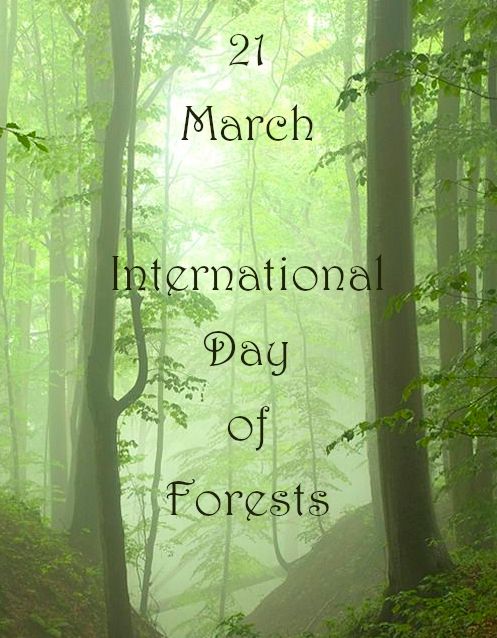
Every year on March 21, people around the world observe the International Day of Forests—a day set aside to recognize forests as more than “green scenery.” Forests are living systems that protect biodiversity, support livelihoods, stabilize climate patterns, and keep our water cycles working. They also make daily life possible in quiet ways: the paper we use, the medicines we rely on, the rainfall that feeds farms, and the air quality in and around cities.
The day was proclaimed by the United Nations General Assembly in 2012, and it’s supported globally through awareness and events often coordinated by organizations such as the Food and Agriculture Organization of the United Nations (FAO). Each year, the observance highlights a theme to focus public attention and encourage action—because forests are not “saved” by admiration alone; they’re protected by consistent choices, good policy, and community participation.
What International Day of Forests is really about
At its core, International Day of Forests has two goals:
- Awareness: Help people understand that forests are essential infrastructure for life on Earth—like an ecological “operating system” we depend on.
- Action: Encourage real-world steps—planting and protecting trees, restoring degraded land, choosing sustainable products, and supporting conservation efforts.
This isn’t only about “saving trees” in a feel-good way. It’s about protecting forests as ecosystems. A forest is not just a collection of trunks; it’s soil, fungi, insects, birds, mammals, rivers, and a fragile balance that can take decades (or centuries) to recover once damaged.
Why forests matter (in plain language)
Forests support life in at least five major ways. You don’t need to be an environmental scientist to understand them—just imagine what happens when each one is removed.
1) Forests are home to biodiversity
Forests contain a huge share of the world’s terrestrial plants and animals. When forest habitats shrink, species disappear, and ecosystems become weaker. Biodiversity isn’t just “nice to have”—it keeps ecosystems stable, supports pollination, and helps nature adapt to change.
2) Forests support people and economies
Millions of people rely on forests for food, fuel, shelter materials, and income. Forests support industries (timber, paper, non-timber products like resins and fruits) and also provide “invisible” economic value through water regulation and disaster risk reduction.
3) Forests protect water and soil
Trees slow down rainfall impact, reduce soil erosion, and help recharge groundwater. Healthy forests act like giant natural filters, improving water quality. That matters for agriculture, drinking water, and flood control.
4) Forests help regulate climate
Forests store carbon in trees, roots, and soil. When forests are destroyed or burned, much of that stored carbon is released into the atmosphere. Protecting forests is one of the most practical nature-based ways to support climate stability.
5) Forests improve daily life and health
Urban forests and green spaces reduce heat, improve air quality, and support mental wellbeing. Even small green pockets in cities matter—trees can reduce local temperatures and make neighborhoods more livable.
What’s threatening forests today
If forests are so valuable, why are they still disappearing or degrading? The reasons are often tied to the same pressures: land, money, and short-term decisions.
Deforestation (forest loss) often happens when land is cleared permanently for:
- Agriculture expansion (including unsustainable farming and grazing)
- Infrastructure and urban growth
- Mining and industrial projects
Forest degradation is different: the forest remains, but it becomes weaker and less diverse due to:
- Illegal or unsustainable logging
- Overharvesting fuelwood
- Frequent fires (sometimes made worse by climate change)
- Pests and diseases
- Fragmentation (breaking a forest into smaller patches)
A key point many people miss: a degraded forest may still look “green,” but it doesn’t function the same way. It can lose wildlife, hold less water, store less carbon, and become more vulnerable to fires.
What we can do (without being unrealistic)
Action doesn’t have to mean grand gestures. Forest protection works best when it’s consistent—small decisions multiplied by many people, plus strong community and government support. Here are action paths that actually make sense:
1) Choose products that reduce forest pressure
- Prefer FSC-certified (or similarly certified) paper and wood products where possible.
- Reduce waste: print less, reuse paper, avoid unnecessary packaging.
- Be mindful with furniture and décor—cheap wood can come from unsustainable sources.
2) Support restoration, not just planting
Planting trees is popular, but restoration is broader: it includes protecting existing forests, improving soil health, and bringing back native species.
- If you plant, choose native species suited to your local ecosystem.
- Support local groups that maintain saplings after planting—survival rates matter more than photo-ops.
3) Protect the trees already standing
This is the most underrated climate action:
- Advocate for preserving mature trees in your community.
- Support parks, urban forests, and biodiversity-friendly city planning.
- Participate in local clean-ups and awareness drives.
4) Reduce fire risk and promote responsible tourism
If you travel to forest regions:
- Avoid litter and plastics.
- Don’t light fires where it’s unsafe.
- Respect local rules—many forest fires begin with small careless actions.
5) Use your voice—especially in workplaces and schools
You don’t need a massive platform. You need clarity and consistency:
- Encourage paper-light processes.
- Organize a small talk, poster drive, or a one-week sustainability habit challenge.
- Invite a local conservation group for a short session.
Forests Day messages you can post (captions, quotes, and action-based lines)
People often ask: What to write on Forests Day? The best posts do two things: appreciate forests and suggest one clear action. Below are options you can use as forests day messages, plus short lines that fit social media, workplaces, and awareness posters.
Short “save trees” captions (easy and direct)
- “Forests keep the planet breathable—let’s keep them standing.”
- “Save trees today, save futures tomorrow.”
- “A greener planet starts with protecting forests, not just admiring them.”
- “Less waste. More trees. Better tomorrow.”
- “Forests are not a luxury—they’re life support.”
Eco awareness lines (good for posters and workplaces)
- “Protect forests: protect water, wildlife, and livelihoods.”
- “Sustainability begins with what we consume—and what we refuse.”
- “Use less, waste less, and choose responsibly sourced products.”
- “Forest conservation is climate action you can see.”
- “A paper saved is a tree respected.”
Green planet messages (friendly, hopeful tone)
- “Let’s grow a kinder world—one forest at a time.”
- “Green is not a trend. It’s a responsibility.”
- “Healthy forests, healthier communities.”
- “Nature doesn’t need us—but we need nature.”
- “Keep Earth cool: keep forests alive.”
Sustainability quotes (original-style lines you can attribute to “Anonymous” or keep as captions)
- “Sustainability is choosing what the planet can afford.”
- “The most powerful climate solution is preventing nature’s loss.”
- “Planting trees is good; protecting forests is better.”
- “A forest is a promise—kept by those who care.”
- “Conservation is not restriction; it’s respect.”
Forest conservation quotes (more reflective)
- “Forests are libraries of life—burning them erases stories we’ll never read.”
- “When a forest disappears, the loss is bigger than trees—it’s balance.”
- “Conservation is the art of thinking beyond today.”
- “A living forest is an inheritance worth defending.”
- “If you listen carefully, forests teach patience—and survival.”
Action-based awareness messages (great for campaigns)
- “This Forests Day, pick one action: reduce paper waste, buy certified wood, or support restoration.”
- “Don’t just post—participate. Volunteer, donate, or educate one person.”
- “Protect one local green space. Small wins add up.”
- “Ask where your wood and paper come from. Demand better sourcing.”
- “Celebrate forests by keeping them functional—support biodiversity, not just tree counts.”
Office-safe Forests Day messages
- “Happy International Day of Forests! Let’s commit to smarter consumption and less waste.”
- “Forests support clean water and stable climate—small workplace habits can help protect them.”
- “Today’s reminder: sustainability is a team sport. Let’s do our part.”
- “Switch off, print less, reuse more—simple habits, real impact.”
- “Protecting forests is protecting people. Let’s choose responsibly.”
A simple Forests Day activity plan (if you want to do more than post)
If you’re in a school, office, or community group, here’s a realistic mini-plan that doesn’t require big budgets:
- One-hour awareness session: Share 5 facts about forests + 3 practical habits.
- One-week challenge: Paper-light week, reusable bottles, and waste sorting.
- Local action: Adopt a nearby park/green patch for a clean-up and care drive.
- Donation + transparency: Support a credible restoration group and share what the funds support (saplings + maintenance).
- Education post series: One caption per day using eco awareness lines and save trees captions, each with a specific action.
The most important part is follow-through. A tree planted and forgotten doesn’t help much. A forest protected and supported over time changes everything.
Conclusion
International Day of Forests (March 21) is a reminder that forests are not just “nature”—they’re essential systems that support biodiversity, climate stability, water security, and human livelihoods. If you’re looking for the perfect forests day messages, the strongest ones combine appreciation with action: reduce waste, choose sustainable products, protect existing trees, support restoration, and encourage others to do the same.
Forests don’t ask for attention once a year—they need protection every day. And the good news is: meaningful action doesn’t have to be dramatic. It just has to be consistent.
Want to read a bit more? Find some more of my writings here-
I hope you liked the content.
To share your views, you can simply send me an email.
Thank you for being keen readers to a small-time writer.