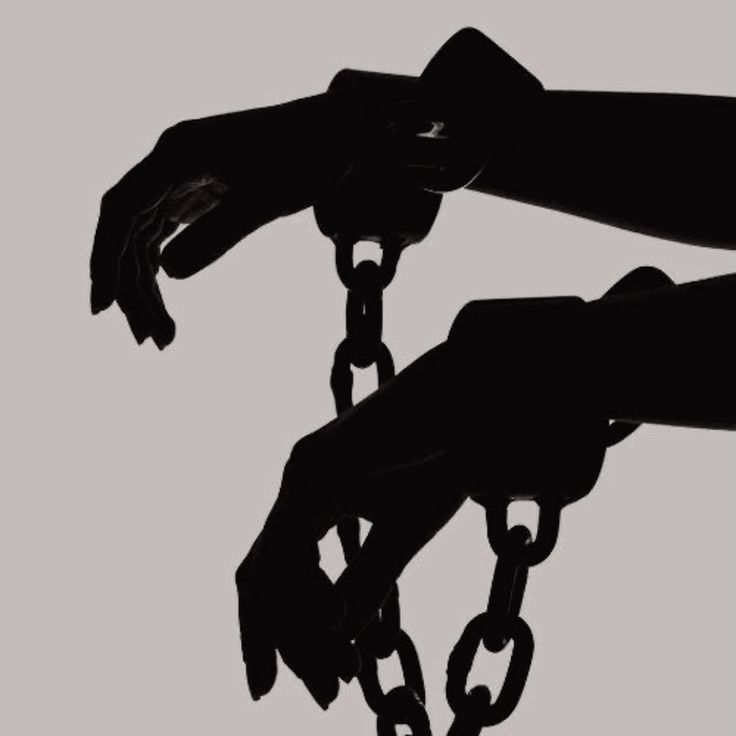
March 25 is not a day for celebration. It’s a day for solemn remembrance, for truth-telling, and for education. The International Day of Remembrance of the Victims of Slavery and the Transatlantic Slave Trade (often shortened in conversation to slavery remembrance day) asks us to pause and acknowledge one of history’s most brutal systems—one that shaped economies, societies, and lives across continents, and whose harms did not end when abolition laws were signed.
Why March 25 matters (and what the day is for)
The purpose of this day is simple—but heavy:
- To honor and remember the millions of women, men, and children who suffered and died under slavery, especially through the transatlantic slave trade.
- To teach history clearly, including the scale and structure of the trade and the dehumanization it relied on.
- To reflect on lasting impacts, including racial injustice and the ways inequality can be inherited through systems.
- To reaffirm an anti-slavery message today, recognizing that forced labor and human trafficking still exist in modern forms.
So, when people ask: “Is ‘Happy’ appropriate?” the answer is no. You don’t “wish” someone a happy remembrance day. The tone should be respectful, reflective, and educational—closer to a memorial than a festival.
If you’re posting publicly or writing a workplace note, think in terms of:
- We remember.
- We honor.
- We learn.
- We recommit to dignity and human rights.
Those phrases naturally create the right emotional register without sounding performative.
A brief, clear history of the transatlantic slave trade
To write about this day responsibly, it helps to understand what we are remembering—without sensationalizing it.
The transatlantic slave trade refers to the forced transportation of millions of Africans across the Atlantic Ocean, primarily to the Americas and the Caribbean, over centuries. People were kidnapped or captured through violent systems and sold into slavery. Families were separated. Human beings were treated as “cargo.” The trade was sustained by profit motives and enforced by laws and institutions that defined certain people as property.
The middle passage—the ocean crossing—was especially deadly and traumatic. Survivors endured unimaginable suffering. And even after arrival, enslaved people faced brutal labor conditions, violence, and the constant denial of basic humanity.
At the same time, it’s essential to remember another truth: enslaved people were never passive. Across the diaspora, there were resistance movements, rebellions, cultural survival, and abolition struggles. People protected languages, music, faith practices, family bonds, and identity even when systems were designed to erase them.
This day holds both realities:
- the vastness of the crime, and
- the strength and endurance of those who lived through it and fought against it.
Why remembrance is still necessary today
Some people wonder why we still need days like this. Isn’t slavery “over”?
Legal abolition is real and important—but remembrance exists because history leaves footprints. The transatlantic slave trade influenced:
- wealth distribution and economic development,
- laws and policing structures,
- cultural narratives about race and “belonging,”
- and generations of inequality.
A remembrance day is also a defense against historical amnesia. When societies forget, they become vulnerable to repeating patterns—scapegoating, dehumanization, and indifference to suffering.
And there’s another layer: an education awareness note for the present. Many people are shocked to learn that slavery-like exploitation still exists today under modern forms such as human trafficking, forced labor, debt bondage, and exploitation in supply chains. While March 25 is primarily centered on remembrance of transatlantic slavery, it naturally leads many communities to renew commitments to fighting exploitation now.
The right tone: what to say (and what to avoid)
If you’re writing slavery remembrance day messages—especially in a workplace or school setting—tone matters as much as content.
What to avoid
- “Happy International Day of Remembrance…”
- Party emojis, celebratory language, or “cheerful” captions
- Making it about yourself (performative posts)
- Graphic descriptions without context (can retraumatize and distract from respectful remembrance)
What works
- Respectful memorial wording: We remember and honor…
- Centering dignity: the humanity of the victims and survivors
- A calm, reflective tone
- An invitation to learn: Read, listen, reflect, discuss respectfully
- A clear anti-slavery message: We commit to human rights and oppose exploitation in all forms
Can you include a quote?
Yes—you can include a quote, but choose wisely:
- Prefer quotes that promote dignity, justice, and remembrance.
- If you can’t verify exact wording or attribution, don’t present it as a direct quote from a specific historical figure. Instead, use “historical awareness quotes” that are clearly your own original lines or commonly used reflective statements.
Below are two safe options:
- Original reflective lines you can use freely, and
- Well-known themes (freedom, dignity, justice) expressed in your own words.
Slavery remembrance day messages (respectful, workplace-friendly, and reflective)
Here are options you can post, print, or share. They’re designed to be appropriate for professional settings, school newsletters, community groups, and social media—without sounding celebratory.
Solemn remembrance lines (short, reflective)
- Today we remember the victims of slavery and honor their lives with truth and respect.
- We pause to acknowledge a history of profound injustice—and the resilience of those who endured it.
- Remembrance is a form of responsibility: to learn, to tell the truth, and to do better.
- We honor the humanity that slavery tried to deny.
- Let today be a quiet moment of reflection—and a commitment to dignity for all.
Historical awareness quotes (original lines you can use)
6. “A society that remembers honestly is a society that can change.”
7. “Remembrance is not looking back in shame; it’s looking back in truth.”
8. “We honor the past by refusing to repeat its cruelty.”
9. “History is not distant when its consequences still shape lives.”
10. “The first step toward justice is seeing clearly.”
Anti slavery message options (connecting past to present respectfully)
11. We remember the victims of slavery and reaffirm our commitment to human rights and freedom.
12. In honoring the past, we also stand against exploitation and forced labor in the present.
13. Today is a reminder that dehumanization is never acceptable—no matter how normalized it becomes.
14. We remember, we learn, and we commit to building a world where dignity is not negotiable.
15. Let remembrance strengthen our resolve to protect the vulnerable and confront injustice.
Reflective memorial wording for workplaces
16. Today we observe March 25 with respect and remembrance for the victims of slavery and the transatlantic slave trade.
17. Our organization recognizes the importance of historical truth and ongoing learning.
18. We honor the lives impacted by slavery and commit to fostering dignity, inclusion, and fairness.
19. This day invites reflection, education, and a renewed commitment to human rights.
20. We encourage everyone to take a moment to learn and reflect—through reading, listening, and respectful conversation.
How to write a respectful post (a simple, foolproof template)
If you want something you can reuse every year, here’s a clean structure:
- Name the day and date
- State the purpose: remembrance + honoring victims
- Add a learning note (one sentence)
- Close with a commitment (human rights, dignity, education)
Example:
March 25 marks the International Day of Remembrance of the Victims of Slavery. Today we honor the millions of lives harmed by slavery and the transatlantic slave trade. We remember with truth, and we continue learning how history shapes the present. May remembrance strengthen our commitment to dignity and human rights for all.
Meaningful ways to observe the day (beyond posting)
A respectful message is good. A respectful message plus action is better—especially when the action is educational and community-oriented.
Here are simple ideas that don’t require grand gestures:
- Read one credible historical source (a museum article, university resource, or a documented survivor narrative collection).
- Host a short learning session at school or work: a 20-minute talk, a reading list, a documentary discussion—kept respectful and voluntary.
- Visit a memorial or museum (physically or virtually) that focuses on slavery history and the African diaspora.
- Support anti-trafficking work carefully, making sure the organization is reputable and survivor-centered.
- Reflect privately: journaling prompts like
- What does truthful remembrance look like?
- How do systems normalize harm?
- What responsibilities do I have in how I speak about history?
This matters because remembrance isn’t only about “knowing facts.” It’s also about shaping the kind of society we want to be—one that refuses to look away.
Conclusion
International Day of Remembrance of the Victims of Slavery (March 25) calls for a specific kind of language: not cheerful, not casual, not performative—but human, honest, and respectful. The best slavery remembrance day messages are the ones that do three things at once: they honor the victims, they keep history clear, and they encourage learning and dignity today.
If you remember only one rule, let it be this: don’t try to “brighten” the day. Let it be what it is—a memorial moment.
Want to read a bit more? Find some more of my writings here-
World Meteorological Day (March 23): Why Weather Science Matters More Than Ever
World Water Day (March 22): Why Water Matters, and What We Can Do About It
International Day of Forests (March 21): Why Forests Matter—and What We Can Actually Do About It
I hope you liked the content.
To share your views, you can simply send me an email.
Thank you for being keen readers to a small-time writer.