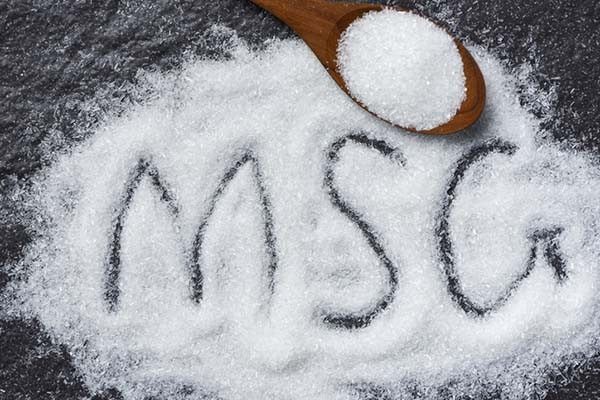
Walk into any kitchen across Asia, peek into a packet of instant noodles, or check the ingredient list of your favorite savory snacks — you’ll almost always find one common ingredient: monosodium glutamate.
Often shortened to MSG, monosodium glutamate has lived a double life — praised by chefs and food scientists for its magical ability to enhance flavor, and yet vilified by decades of myths, fear, and confusion. But what is this compound really? Is monosodium glutamate the dangerous additive people once believed, or is it a misunderstood marvel of culinary chemistry?
Today on Riya’s Blogs, we’re diving deep into the science, the history, and the truth about MSG — separating facts from fiction and flavor from fear.
What Exactly Is Monosodium Glutamate?
To understand MSG, let’s start at the basics.
Monosodium glutamate is the sodium salt of glutamic acid, one of the most common amino acids found in nature. Amino acids are the building blocks of protein, and glutamic acid is abundant in foods like tomatoes, cheese, mushrooms, and soy sauce.
When you eat something rich in glutamates — whether it’s a slice of Parmesan, a ripe tomato, or a drizzle of soy sauce — you experience umami, the “fifth taste.”
That’s right — besides sweet, salty, sour, and bitter, umami gives food that deep, savory deliciousness. And monosodium glutamate is pure, crystallized umami.
A Brief History: From Discovery to Controversy
The Birth of Umami
Our story begins in Japan in 1908, when a chemist named Kikunae Ikeda at Tokyo Imperial University noticed something fascinating. His wife’s seaweed soup, made with kombu, had a flavor that didn’t fit into the four known taste categories. It was rich, meaty, and mouth-filling — something completely different.
Ikeda managed to isolate the compound responsible — glutamic acid — and discovered that when neutralized with sodium, it became a stable crystal: monosodium glutamate.
He patented the process, and soon Ajinomoto Co. began mass-producing MSG under the name Ajinomoto, meaning “essence of taste.”
The invention revolutionized Asian cuisine — a pinch of MSG could make broth taste fuller, vegetables more vibrant, and meat more savory.
The American Arrival and Backlash
In the mid-20th century, MSG crossed oceans and found its way into American processed foods. Canned soups, chips, and frozen dinners all relied on it to deliver satisfying flavor without excessive salt or fat.
Then came 1969 and an infamous letter to the New England Journal of Medicine, titled “Chinese Restaurant Syndrome.” The author claimed to experience numbness, dizziness, and palpitations after eating at Chinese restaurants — and speculated MSG might be to blame.
That single anecdotal letter triggered decades of suspicion and xenophobia disguised as health concern. MSG became synonymous with unhealthy, “cheap” Asian food — a damaging stereotype that would take years to dismantle.
The Science: Is Monosodium Glutamate Really Bad for You?
Here’s the truth, plain and simple:
There is no scientific evidence that MSG is harmful to the general population when consumed in normal amounts.
Over the past five decades, countless studies and reviews have tested this question. The U.S. Food and Drug Administration (FDA), World Health Organization (WHO), and Food and Agriculture Organization (FAO) have all concluded that monosodium glutamate is safe.
The FDA even classifies it as “Generally Recognized as Safe (GRAS)”, the same category as salt or baking powder.
What About “Chinese Restaurant Syndrome”?
The so-called Chinese Restaurant Syndrome has been repeatedly debunked.
Controlled double-blind studies — where neither researchers nor participants know whether they’re receiving MSG or a placebo — show that most people do not react to MSG.
In some cases where symptoms did occur, participants had consumed unrealistically high doses — far more than anyone would normally eat in a meal.
How the Body Handles MSG
Once you consume MSG, your body breaks it down into glutamate, which is identical to the glutamate found naturally in foods like tomatoes or meat.
It doesn’t accumulate in the bloodstream or the brain, and it’s metabolized quickly.
In other words: the glutamate in monosodium glutamate is the same as that in your bowl of spaghetti Bolognese.
The Umami Effect: Why Monosodium Glutamate Enhances Flavor
Let’s talk about the magic of umami, the deep, savory taste MSG unlocks.
When MSG dissolves in food, it releases free glutamate ions, which bind to special receptors on the tongue. These receptors signal to the brain that something rich in protein or amino acids is being eaten — triggering pleasure and satisfaction.
This is why MSG makes a simple vegetable stir-fry taste hearty, or why a little dash in soup makes it feel slow-simmered for hours.
Interestingly, MSG also enhances the perception of saltiness, meaning you can use less sodium overall while still achieving bold flavor. That makes it an ally for those reducing salt intake.
The Synergy of Umami
MSG works even better when paired with inosinate or guanylate, compounds found in meats, mushrooms, and seaweed. Together, they amplify umami intensity — a reason why ramen, steak, or mushroom risotto taste so irresistible.
Natural Sources of Glutamate
If you think MSG is unnatural, think again.
Nature itself is full of glutamates — and we’ve been eating them for centuries.
Here are some examples of naturally occurring glutamate-rich foods (per 100g):
| Food | Glutamate (mg) |
| Parmesan cheese | 1200 |
| Tomatoes | 250 |
| Mushrooms | 180 |
| Soy sauce | 1200 |
| Green tea | 680 |
| Seaweed (kombu) | 2200 |
| Chicken | 40 |
| Corn | 30 |
By comparison, a typical serving of food seasoned with monosodium glutamate contains only 0.1–0.8 grams — much less than what’s already in Parmesan or soy sauce.
So when someone claims MSG is “unnatural,” they’re missing the point: your body can’t tell the difference between natural glutamate and MSG-derived glutamate.
MSG in Modern Cooking: From Fast Food to Fine Dining
Fast Food & Packaged Snacks
You’ll find monosodium glutamate in a variety of packaged and fast foods because it delivers umami without adding extra fat or sugar. Chips, instant noodles, soups, and sauces all rely on it for depth of flavor.
Fine Dining & Culinary Innovation
Surprisingly (or not), MSG has made its way back into high-end kitchens. Celebrity chefs like David Chang, Heston Blumenthal, and Grant Achatz openly praise MSG as a legitimate ingredient — no different from salt or soy sauce.
David Chang once said, “If you don’t like MSG, you don’t like deliciousness.”
Home Cooks Are Embracing It Too
More home cooks are rediscovering MSG’s benefits. A pinch can elevate everything from soups and marinades to scrambled eggs or roasted vegetables. You can even mix it with salt in a 1:2 ratio for a “flavor salt” that enhances any dish.
At Riya’s Blogs, we believe cooking should be about curiosity, not fear — and understanding the science behind monosodium glutamate helps us make smarter, tastier choices.
The Cultural Bias Around MSG
The demonization of monosodium glutamate wasn’t just a misunderstanding of chemistry — it was also rooted in cultural bias.
The “Chinese Restaurant Syndrome” narrative unfairly targeted Asian cuisines, despite MSG being widely used in American processed foods at the time.
While MSG in a bag of chips was acceptable, the same compound in fried rice was suddenly suspect. This double standard was part of a broader pattern of mistrust toward “ethnic” foods.
In recent years, chefs, activists, and food historians have worked to correct this injustice. Movements like #RedefineMSG and documentaries such as The Search for Umami have helped people see MSG for what it truly is — a universal flavor enhancer, not a health threat.
How to Use Monosodium Glutamate in Your Kitchen
If you’re curious to experiment with MSG at home, here’s how to do it safely and deliciously.
1. Start Small
A little goes a long way. Begin with 1/4 teaspoon for 4 servings and adjust to taste.
2. Combine With Salt
MSG enhances flavor but isn’t salty on its own. Try mixing 1 part MSG to 2 parts salt for balanced seasoning.
3. Use It in Savory Dishes
It’s ideal for soups, broths, marinades, stir-fries, roasted vegetables, meat rubs, and pasta sauces. Avoid using it in sweet dishes.
4. Don’t Overdo It
Too much MSG can make food taste artificial or overly savory. Balance is key — the goal is depth, not dominance.
Myths vs. Facts: Clearing Up the Confusion
| Myth | Reality |
| MSG causes headaches and fatigue. | Studies show no consistent evidence of this in normal dietary amounts. |
| MSG is artificial and unhealthy. | It’s derived from natural fermentation, much like yogurt or vinegar. |
| Only Asian food uses MSG. | It’s in chips, soups, salad dressings, and even burgers worldwide. |
| MSG-free food is healthier. | Not necessarily — many “MSG-free” foods are higher in salt, fat, or sugar to compensate. |
| The body can’t process MSG. | It metabolizes MSG just like any other amino acid. |
Health Benefits and Practical Advantages
While MSG isn’t a “health food,” it has some indirect benefits worth noting:
1. Reduced Sodium Intake
Because MSG enhances flavor, you can use less table salt. MSG contains two-thirds less sodium than regular salt — a win for heart health.
2. Supports Balanced Diets
By improving the flavor of vegetables or plant-based proteins, MSG helps people enjoy healthier foods more easily.
3. No Allergenic Potential
Unlike gluten or dairy, MSG is not an allergen. True MSG sensitivity is rare and limited to very few individuals.
How MSG Is Made Today
Modern monosodium glutamate production is elegant in its simplicity. It’s made through fermentation, using natural ingredients like sugarcane, molasses, or corn.
Microbes (similar to those that make yogurt or wine) convert these carbohydrates into glutamic acid, which is then neutralized with sodium and crystallized.
No synthetic chemicals, no lab trickery — just a process nature itself inspired.
The Future of MSG: A Culinary Comeback
After years of undeserved bad press, MSG is finally getting the recognition it deserves.
Restaurants proudly list it on menus again, grocery stores stock pure MSG next to spices, and nutrition experts emphasize moderation over misinformation.
Scientists are also exploring the neuroscience of umami, studying how glutamate enhances satiety and eating pleasure. Some research even suggests umami-rich diets can help regulate appetite and improve nutrition in elderly populations.
Final Thoughts: A Pinch of Perspective
At the end of the day, monosodium glutamate is neither a villain nor a miracle — it’s simply a tool, a bridge between science and flavor.
Used mindfully, it can transform everyday meals into something richer, more satisfying, and more connected to centuries of culinary tradition.
As Riya’s Blogs often reminds readers, food is about enjoyment, balance, and understanding. The more we know, the better we eat — and the better we live.
So the next time someone gasps at the mention of MSG, hand them a slice of tomato or a sprinkle of Parmesan and ask:
“Still afraid of umami?”
Key Takeaways
- Monosodium glutamate is the sodium salt of glutamic acid — a natural amino acid found in many foods.
- MSG delivers umami, the savory “fifth taste” that enhances flavor.
- Decades of research confirm that MSG is safe for the general population.
- The stigma around MSG has cultural roots and is not supported by science.
- It helps reduce sodium intake and makes healthy foods more enjoyable.
- Like any seasoning, moderation and balance are key.

Want to read a bit more? Find some more of my writings here-
Book Review: Believe Me by Tahereh Mafi
The Astronaut Who Came Back with Someone Else’s Memories: A Short Story
National Poinsettia Day — December 12
I hope you liked the content.
To share your views, you can simply send me an email.
Thank you for being keen readers to a small-time writer.