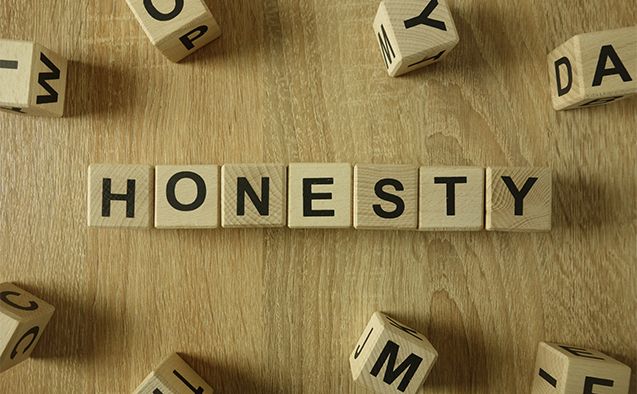
Every year on April 30, people observe National Honesty Day—a simple idea with a surprisingly powerful impact: pause for a moment and recommit to truth, integrity, and clear communication. In a world full of filters, half-truths, marketing spin, and “I’m fine” replies, a day dedicated to honesty feels refreshing. Not harsh. Not blunt. Just real.
National Honesty Day isn’t about embarrassing confessions or saying everything in your head out loud. It’s about practicing the kind of honesty that builds trust: the honest feedback that helps someone grow, the truthful conversation that clears misunderstandings, and the transparent choices that make relationships—personal and professional—stronger.
This article covers what National Honesty Day is, why it matters, how it connects to workplace culture, and plenty of Honesty Day messages, truth quotes, integrity captions, workplace transparency message examples, and honest appreciation lines you can actually use.
What Is National Honesty Day?
National Honesty Day is observed on April 30 as a reminder to value honesty in everyday life—how we speak, how we make decisions, and how we treat other people. It’s often described as a day to encourage:
- Truthfulness (being accurate and sincere)
- Integrity (doing the right thing even when it’s not convenient)
- Transparency (communicating clearly, especially when it matters)
- Accountability (owning your choices, not shifting blame)
You’ll sometimes hear it explained as a “counterbalance” to the spirit of April Fools’ Day earlier in the month—moving from jokes and pranks to sincerity and clarity. Whether you observe it formally or casually, the day works best as a gentle checkpoint: Am I being honest with others? Am I being honest with myself?
Why Honesty Is More Than “Telling the Truth”
People often think honesty means saying facts out loud. But real honesty is deeper—and kinder—than that.
Honesty includes:
- Accuracy: Not exaggerating or twisting reality.
- Clarity: Saying what you mean without confusing signals.
- Consistency: Matching your words with your actions.
- Courage: Being truthful even when it’s uncomfortable.
- Respect: Delivering truth in a way that doesn’t humiliate someone.
There’s a big difference between honesty and harshness. A helpful test is this:
Honest + Kind + Necessary = trust-building truth
Honest + Cruel + Unnecessary = damage in the name of “being real”
National Honesty Day is a good reminder that honesty should connect, not crush.
The Benefits of Honesty (In Real Life)
Honesty is one of those values people praise, but sometimes avoid when life gets complicated. Still, it consistently pays off in ways that matter.
1) Honesty builds trust faster than charm ever can
Trust is not created by perfect words. It’s created by reliable truth. When people know you don’t hide important details or change your story, they relax around you. And that makes relationships smoother—at home, in friendships, and at work.
2) Honesty reduces stress and mental “background noise”
Keeping track of what you said to whom—and what you left out—takes energy. Honest communication tends to be simpler. You don’t have to maintain a version of events. You can just live.
3) Honesty improves decision-making
When teams and families avoid the truth, they make choices based on incomplete information. When truth is present—even if it’s inconvenient—planning becomes stronger and mistakes reduce over time.
4) Honesty makes apologies meaningful
A real apology includes truth: what happened, why it happened, what you learned, and what you’ll do differently. That kind of honesty heals. Without it, apologies feel like a performance.
Honesty at Work: Integrity and Transparency Without Drama
National Honesty Day is especially relevant in professional settings, because workplace trust is a culture-maker. A team can have brilliant people and still struggle if honesty is missing.
Here’s what honesty looks like at work in a healthy, professional way:
Clear expectations (instead of vague hints)
If someone doesn’t know what “good” looks like, they can’t deliver it. Honest leadership includes clear standards, not confusing signals.
Owning mistakes early (before they become bigger issues)
Workplace integrity is often less about never failing and more about not hiding. A small issue shared early can be fixed quickly. The same issue covered up becomes expensive later.
Respectful feedback (truth that helps)
Honest feedback is not “You’re bad at this.”
It’s “Here’s what isn’t working, here’s what I need, and here’s how we can improve it.”
Transparency in communication (without oversharing)
Transparency doesn’t mean sharing every detail. It means sharing what people need to know to do their jobs well—timelines, risks, decisions, priorities, and changes.
A simple workplace transparency message you can use on National Honesty Day:
“Today is National Honesty Day—an easy reminder that clarity builds trust. If anything is unclear in our work or communication, let’s ask, align, and move forward openly.”
Simple Ways to Observe National Honesty Day (That Actually Feel Good)
You don’t need a big event. A few intentional choices can make the day meaningful.
1) Try a “truth with tact” conversation
Pick one small conversation you’ve been avoiding—something that would improve your relationship or your work. Keep it respectful, and focus on clarity.
Example structure:
- “Here’s what I observed…”
- “Here’s how it impacted me…”
- “Here’s what I need going forward…”
- “What do you think?”
2) Write an honest appreciation note
Honesty isn’t only for hard conversations. It’s also for sincere praise. Tell someone exactly what you value about them—specific and real.
3) Do a quick self-honesty check-in
Ask yourself:
- What am I avoiding admitting?
- What boundary do I need to communicate?
- What goal do I say I want, but I’m not acting on?
Self-honesty is where integrity starts.
4) Practice “clean communication” for a day
Clean communication means no extra layers: no guilt hints, no passive aggression, no vague replies. Just respectful truth.
Instead of: “Okay.”
Try: “I’m not fully comfortable with that. Can we adjust the plan?”
5) Be honest—but don’t make it everyone else’s burden
National Honesty Day is not permission to unload. If something is heavy, honesty can include choosing the right time, the right person, and the right tone.
Honesty Day Messages, Integrity Captions, and Honest Appreciation Lines
Below are ready-to-use lines for posts, cards, office chats, and personal messages.
Honesty Day messages (warm + general)
- “Happy National Honesty Day—may we choose truth kindly and live a little lighter.”
- “Honesty doesn’t have to be loud. It just has to be real.”
- “Today’s reminder: truth builds trust, and trust builds everything else.”
- “Wishing you a day of clear hearts, clean words, and genuine connections.”
- “National Honesty Day is a great time to say what matters—with respect.”
Truth quotes (short, post-friendly)
- “Truth needs no decoration.”
- “A small truth beats a big performance.”
- “Honesty is quiet confidence.”
- “Truth is the foundation; trust is the result.”
- “Speak truth, but never forget kindness.”
Integrity captions (for Instagram/WhatsApp/LinkedIn)
- “Integrity: doing the right thing when no one is watching.”
- “Choosing truth over convenience—every time.”
- “Honesty looks good on everyone.”
- “No shortcuts. Just standards.”
- “Consistency is a form of integrity.”
Workplace transparency message examples (professional tone)
- “On National Honesty Day, a quick reminder: transparency keeps teams strong. If something feels unclear, let’s talk early and align.”
- “Integrity at work means clear communication, owning mistakes, and giving respectful feedback. Let’s keep it simple and honest.”
- “Honest updates help everyone plan better. If you’re blocked or uncertain, share it—no judgment, only solutions.”
- “Trust is built in small moments: accurate status, clear expectations, and honest timelines.”
- “Let’s normalize saying: ‘I need help,’ ‘I don’t know yet,’ and ‘Here’s the real status.’ That’s transparency.”
Honest appreciation lines (specific and meaningful)
- “I appreciate you because you’re honest without being hurtful.”
- “You tell the truth with respect, and that’s rare.”
- “Thank you for being someone I can trust—even when conversations are hard.”
- “Your integrity makes people feel safe around you.”
- “I value how you keep your word. It speaks louder than any promise.”
How to Write a Great Honesty Day Post (Without Sounding Preachy)
If you’re posting on social media or writing a note and want it to feel natural, keep it simple:
- Start with a relatable idea
- Add one real takeaway
- End with a gentle call-to-action
Example:
“It’s National Honesty Day. I’m reminding myself that clarity is kindness—especially in relationships. If you’ve been avoiding an important conversation, maybe today is the day to speak with care.”
Or a short caption:
“Honesty Day reminder: truth + kindness = trust.”
A Quick Note on “Brutal Honesty”
People sometimes use “I’m just being honest” as a shield for rudeness. Real honesty is not brutal. It’s brave and respectful.
If you want to keep honesty constructive, try this filter:
- Is it true?
- Is it necessary?
- Is it kind?
- Is it the right time?
When those align, your honesty becomes something people appreciate—not fear.
Conclusion
National Honesty Day (April 30) is a practical reminder that truth isn’t only a moral idea—it’s a daily habit that shapes trust, confidence, relationships, and workplace culture. Whether you share a thoughtful post, send a sincere appreciation note, or choose one honest conversation you’ve been avoiding, this day can be meaningful without being dramatic.
Use honesty to simplify your life. Use integrity to strengthen your character. And use transparency—especially at work—to build a culture where people feel safe to communicate clearly.
Want to read a bit more? Find some more of my writings here-
ANZAC Day (April 25): Honoring Courage, Sacrifice, and Remembrance
World Intellectual Property Day (April 26): Why Ideas Matter, and How We Protect Them
I hope you liked the content.
To share your views, you can simply send me an email.
Thank you for being keen readers to a small-time writer.