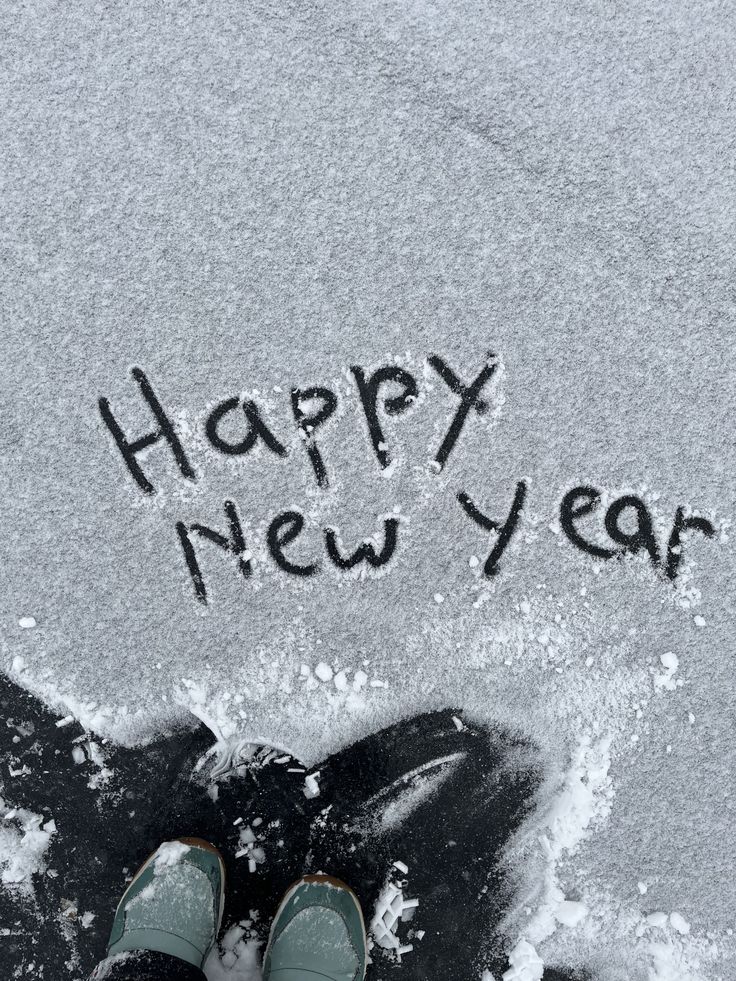
A New Dawn: The Meaning Behind January 1st
The clock strikes midnight. Fireworks burst into the sky. Champagne glasses clink, laughter spills into the air, and hearts feel lighter — even if just for a moment. New Year’s Day isn’t just another date on the calendar; it’s a collective sigh of renewal. Whether you’re welcoming it with your closest friends, family, or a team of coworkers, it carries a universal promise — fresh starts, hope, and connection.
And what better way to celebrate that promise than with meaningful New Year messages — words that say, I see you, I appreciate you, and I’m excited to walk into another year with you.
Let’s explore how to craft Happy New Year wishes that truly land — for every type of relationship, setting, and moment.
1. Why New Year Messages Matter More Than Ever
There’s something almost magical about receiving a thoughtful message on January 1st. In a world overflowing with digital noise, it’s the personal touch that stands out. A simple line like “Here’s to new beginnings — may we write another great chapter together!” can stay with someone far longer than you’d imagine.
Whether it’s New Year greetings for coworkers or heartfelt notes for friends, what matters most is sincerity. It’s not about the perfect phrasing — it’s about showing up.
On Riya’s Blogs, we believe that a message written from the heart can bridge miles, heal quiet distances, and remind people they’re valued — even in professional spaces.
2. Crafting the Perfect New Year Message
There’s no single “formula” for great New Year messages, but a few golden rules can help you craft something memorable.
a. Keep It Warm and Positive
Even in the workplace, optimism is contagious. Replace generic “Happy New Year” lines with phrases that reflect thoughtfulness:
- “Wishing you fresh energy and exciting new challenges this year.”
- “May 2026 bring growth, laughter, and the joy of meaningful work.”
b. Reflect, But Don’t Dwell
You can reference the past year — but keep it light:
- “2026 had its ups and downs, but I’m proud of what we accomplished together.”
- “Thanks for being the bright spot in last year’s chaos.”
c. Add Personality
Use humor, quotes, or even funny New Year messages to make people smile:
- “May your resolutions last longer than your holiday leftovers!”
- “Wishing you fewer emails, more coffee, and endless reasons to celebrate.”
d. Match the Tone to the Relationship
A New Year greeting for coworkers differs from one for a lifelong friend. Your words should reflect your shared space — whether it’s inside office walls or cozy weekend chats.
3. New Year Messages for Different Circles
a. For Friends
Friends deserve messages filled with warmth, gratitude, and laughter. Think inside jokes and shared memories.
Examples:
- “Here’s to more unplanned adventures, bad decisions that make good stories, and the comfort of old friendships.”
- “Happy New Year! Let’s promise to chase sunsets, not deadlines this time.”
b. For Family
Your family might know you best — but that doesn’t mean they don’t love hearing it said out loud.
- “To my family — thank you for being my anchor through every storm. Happy New Year, with all my love.”
- “May this year bring more laughter-filled dinners, less chaos, and moments that feel like home.”
c. For Coworkers
Office dynamics require a touch of diplomacy. Keep your New Year greetings for coworkers professional yet genuine:
- “Wishing you a fulfilling year of great ideas and smooth deadlines!”
- “Here’s to another year of teamwork, success, and Monday motivation.”
And if you’re sending a group ecard New Year message across your team:
“As we step into the new year, thank you for your dedication and spirit. Here’s to shared goals, mutual wins, and brighter beginnings.”
d. For Bosses or Clients
Respect, gratitude, and optimism are key.
- “Thank you for your guidance and support this past year. Wishing you continued success and inspiration in 2026.”
- “May this year bring fresh opportunities and meaningful collaborations. Happy New Year!”
4. Funny New Year Messages That Still Feel Kind
Not every message has to be serious. In fact, humor can be a bridge — especially for casual or office friendships.
- “New year, same deadlines… but at least the coffee’s strong!”
- “My resolution? To remember all my passwords this time.”
- “Hope your 2026 sparkles brighter than your team chat emojis!”
Funny New Year messages like these break the monotony of stiff greetings and make your personality shine through — without crossing any professional lines.
5. The Art of the Group Ecard: When One Message Speaks for Many
Group ecards for New Year have become a thoughtful, eco-friendly way to reach teams scattered across time zones. Instead of a long company-wide email, a group card lets everyone add their personal touch — GIFs, jokes, photos, quotes, or just a quick line of appreciation.
Tips to make it shine:
- Choose a cheerful design that reflects your team culture.
- Add a short New Year wish at the top (e.g., “Cheers to shared success and new ideas!”).
- Encourage everyone to write something small — one sentence goes a long way.
- Include a mix of New Year captions and warm messages so it feels collaborative and vibrant.
6. The Magic of Short New Year Wishes
Sometimes less is more. A few words can say everything when written with heart.
Examples of short New Year wishes:
- “Cheers to new beginnings!”
- “Wishing you health, peace, and joy ahead.”
- “May your year be full of spark and laughter.”
- “Fresh goals, clean slates, and good vibes only.”
Short doesn’t mean shallow — it means efficient warmth, perfect for cards, social posts, or Slack messages.
7. Thoughtful New Year Quotes to Add Depth
Pairing your message with a quote can make it more memorable. Here are some versatile New Year quotes:
- “And now we welcome the new year. Full of things that have never been.” — Rainer Maria Rilke
- “The magic in new beginnings is truly the most powerful of them all.” — Josiyah Martin
- “Every moment is a fresh beginning.” — T.S. Eliot
- “Write it on your heart that every day is the best day in the year.” — Ralph Waldo Emerson
Add a quote before your message or as a closing — it lends thoughtfulness and timelessness.
8. When to Send Your New Year Messages
Timing can make a big difference. Should you send them on Dec 31, or wait till Jan 1?
Here’s the general rule:
- Dec 31: Ideal for pre-celebration wishes — “Wishing you a great start to 2026!”
- Jan 1: Perfect for reflection and renewal — “Here’s to what’s ahead!”
For teams across time zones, schedule your group ecard New Year or message thread early. That way, everyone wakes up to something cheerful in their inbox.
9. Including Resolutions or Highlights — The Polite Way
Wondering if it’s okay to mention last year’s wins or your new goals? Absolutely — as long as you keep it inclusive and light.
You can say:
- “Here’s to building on last year’s progress.”
- “Proud of how far we’ve come, and excited for what’s next.”
- “My resolution is to laugh more — especially at my own typos.”
If it’s a workplace message, avoid overly personal goals (“I’m quitting coffee!” might not age well by February). Stick to team-oriented positivity.
10. Creative Ways to Share New Year Messages
- Create a themed Slack thread for team resolutions and GIFs.
- Host a mini virtual toast — share one “highlight and one hope.”
- Start a photo challenge with captions like “My first sunrise of 2026.”
- Mail handwritten cards to key teammates or clients — nostalgia never goes out of style.
- Or, send a digital note via platforms like SendWishOnline.com — where group ecards for New Year make sharing joy effortless and beautiful.
11. Office-Safe Messaging: Keep It Warm, Not Weird
When writing for professional audiences:
- Avoid jokes that could be misinterpreted.
- Skip references to personal habits, politics, or private life.
- Use inclusive language: “Happy New Year, everyone!” instead of gendered or cultural specifics.
- Focus on gratitude, teamwork, and hope.
Even funny New Year messages can be safe and smart:
“Here’s to another year of solving problems we didn’t create — together!”
12. FAQs: Your New Year Message Dilemmas, Solved
Q1. What do you write in a New Year group card?
Include a short greeting, one hopeful wish, and a warm sign-off. Example:
“Happy New Year! Wishing our team a year full of inspiration, laughter, and shared success.”
Q2. How do you keep New Year messages office-safe?
Stick to professional positivity. Avoid personal references or inside jokes unless you’re sure they’re friendly. Phrases like “Cheers to collaboration and creativity ahead!” always work.
Q3. Is it okay to mention resolutions or goals?
Yes, but frame them as collective or lighthearted. “Let’s keep growing and learning together this year.” sounds uplifting without pressure.
Q4. Short vs. long — what’s the ideal length?
Depends on the setting. Short New Year wishes are great for ecards or social media; longer notes suit emails or speeches.
Q5. When should I send — Dec 31 or Jan 1?
Both work! Dec 31 is about anticipation; Jan 1 is about gratitude and renewal. Sending early ensures people read it before they get lost in festivities.
Q6. Can I include last-year highlights politely?
Yes, but keep it humble and inclusive. Example:
“Proud of our teamwork last year — here’s to even greater things ahead!”
13. Final Thoughts: The Real Gift Is the Message
At its heart, New Year messages aren’t about words alone — they’re about connection. When we take a moment to write something genuine — even a few lines — we remind each other that the new year is not about perfection, but presence.
So, as the fireworks fade and the confetti settles, take a minute to send that text, that email, or that group ecard New Year greeting. Your message might be the first smile of someone’s year — and that’s a gift worth giving.
From all of us at Riya’s Blogs — here’s to laughter, light, and meaningful beginnings.
Happy New Year! 🎇
Want to read a bit more? Find some more of my writings here-
45 Hate Quotes That Explore the Dark Side of Emotion
The Psychology Behind Why We Love to Be Scared
The Village That Celebrated Grief: A Short Story
I hope you liked the content.
To share your views, you can simply send me an email.
Thank you for being keen readers to a small-time writer.