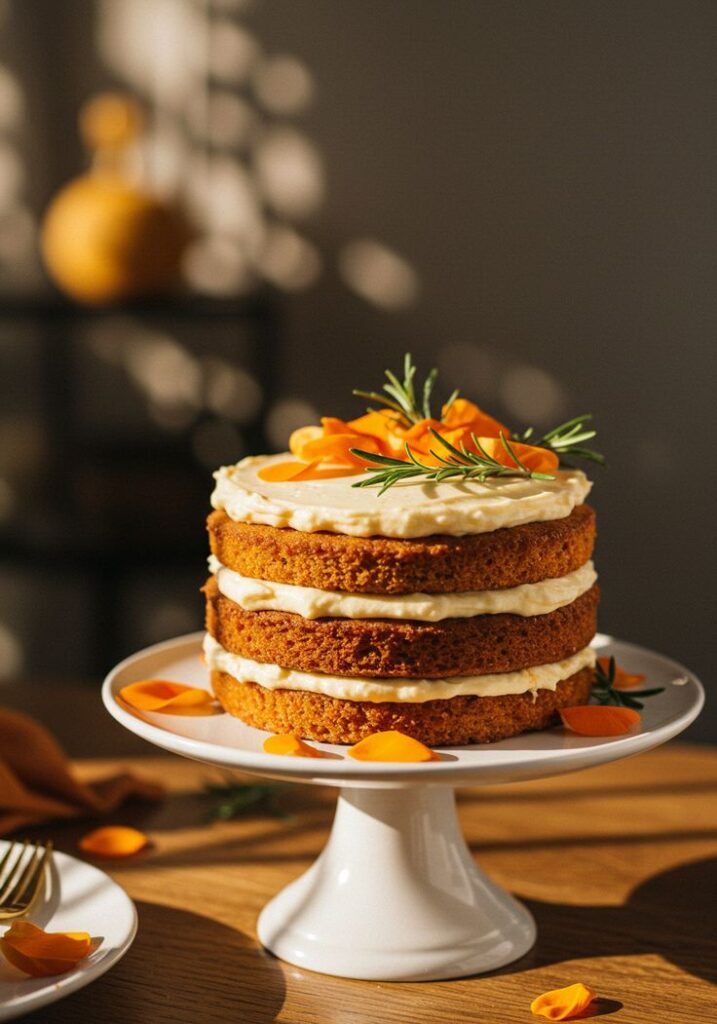
If you’ve ever looked at a slice of carrot cake and thought, “How did vegetables end up in dessert?”—you’re not alone. And that’s exactly what makes Carrot Cake Day (a February 3 event in many calendars) such a fun dessert holiday. It’s part nostalgia, part comfort food, and part excuse to bake something that feels both indulgent and a tiny bit “healthy”… even if the cream cheese frosting has other plans.
In this article (from Riya’s Blogs), we’ll cover the essential facts in a simple, engaging way: What is Carrot Cake Day? Why carrot cake became so popular, where it likely originated, how people celebrate it today, and whether these “food days” are actually official.
What is Carrot Cake Day, and why is it on February 3?
National Carrot Cake Day is widely observed on February 3, especially in the United States, as a lighthearted day dedicated to enjoying (and often baking) carrot cake. Think of it as a cheerful, no-pressure sweet celebration—no gifts required, no formal traditions, just dessert.
It’s important to know what this day is and what it isn’t:
- It is a fun, culturally popular “national day” that shows up on many food-holiday lists and social calendars.
- It isn’t a federal holiday or an official government-recognized observance in the way Independence Day or Thanksgiving is.
That doesn’t make it any less enjoyable. In fact, the casual, community-driven vibe is part of the charm. People celebrate it because carrot cake is beloved—and because modern culture loves a reason to post, bake, share, and snack.
A quick look at carrot cake’s food history: where did it originate?
Carrot cake feels modern, but its roots are older than most people expect. The basic idea behind it—using naturally sweet ingredients in desserts—goes back centuries.
The “why carrots?” part
Before sugar was widely available or affordable, cooks often relied on ingredients that added sweetness naturally. Carrots, when cooked, become noticeably sweet because they contain natural sugars. That made them useful in baked goods and puddings, especially in times and places where sugar was scarce or expensive.
Early ancestors: carrot puddings and carrot-based sweets
Food historians often connect modern carrot cake to older European desserts such as carrot puddings (and related “pudding cakes”). These weren’t always the fluffy layer cakes we imagine today. They were sometimes denser, spiced, and closer to what we might now call a steamed pudding or baked pudding.
Wartime influence (a big reason carrot cake became “a thing”)
One of the most commonly cited reasons carrot cake gained mainstream popularity—particularly in the UK—was wartime rationing. When sugar was rationed, recipes that used carrots for moisture and sweetness became practical and appealing. Over time, these recipes evolved and spread.
The modern version: spiced cake + rich frosting
Today’s carrot cake (especially the American-style version) is usually a moist, spiced cake made with grated carrots and often mixed with nuts or raisins. The now-iconic pairing with cream cheese frosting helped push carrot cake into “classic” status. Once that frosting became popular, carrot cake stopped being a clever workaround and became a genuine dessert star.
So, where did it originate? There isn’t a single birthplace with a neat date stamped on it. Instead, it’s better understood as an evolution: older carrot-based desserts + regional baking traditions + practical cooking during scarcity + modern bakery culture.
Why is carrot cake popular?
Carrot cake has a rare combination of traits that keep it in the spotlight—year after year, bakery after bakery.
1) It’s reliably moist and satisfying
Carrots add moisture and texture. Even a simple recipe can come out tender, soft, and rich, which is why carrot cake is often called a “safe bet” dessert.
2) The flavor feels warm and familiar
Cinnamon, nutmeg, cloves, ginger—these spices are comforting. They give carrot cake that cozy, bakery-window smell that makes people hungry before they even take a bite.
3) It balances “homey” and “special”
Carrot cake can feel casual enough for a weekday treat and fancy enough for a birthday or dinner party—especially when it’s layered, frosted, and decorated.
4) The cream cheese frosting effect is real
Let’s be honest: the frosting is part of why people love it. The tangy richness of cream cheese frosting makes the spiced cake taste even better. It’s sweet, but not one-note sweet.
5) It adapts to trends without losing its identity
This is where baking trends come in. Carrot cake is easy to reinvent: gluten-free versions, dairy-free frosting, pineapple additions, walnut-pecan debates, mini cupcakes, sheet cakes, loaf-style versions, and even “carrot cake baked oats” on social media. It can follow modern recipe culture while still tasting like carrot cake.
How is Carrot Cake Day celebrated?
Carrot Cake Day celebrations are simple, which makes them easy to join. Here are the most common ways people mark the day:
Bake it at home
For many, the best way to celebrate this dessert holiday is to bake. It’s a feel-good project: grating carrots, mixing spices, and watching the house fill with that warm scent.
Easy celebration idea: bake a small batch—like carrot cake cupcakes or a single-layer snack cake—so it feels fun, not overwhelming.
Buy a slice from a bakery
Not everyone wants to bake, and that’s completely in the spirit of the day. Many bakeries feature carrot cake year-round, and on a day like February 3, people often treat themselves to a slice.
Share it with someone (the “sweet celebration” approach)
Carrot cake is a classic “shareable” dessert. A slice at work, cupcakes for friends, a small cake for family—this day lends itself to simple kindness.
Try a new twist
If you already love carrot cake, Carrot Cake Day is a perfect excuse to explore a variation:
- Carrot cake sandwich cookies with cream cheese filling
- Carrot cake cupcakes with walnut crunch
- A lighter loaf-style carrot cake for breakfast-ish vibes
- A spiced carrot cake with orange zest
- A vegan version with dairy-free frosting
This is where modern food lovers have fun: taking something familiar and making it feel new.
A simple carrot cake “template” (without turning this into a full recipe book)
If you’re celebrating by baking, here’s a straightforward guide to what a classic carrot cake usually includes. (Think of it like a reliable blueprint.)
Core cake ingredients:
- Flour (all-purpose is common)
- Baking powder + baking soda (for lift)
- Eggs (structure) or substitutes if baking egg-free
- Oil (often used instead of butter for moisture)
- Brown sugar or a mix of sugars
- Grated carrots (the star)
- Warm spices (cinnamon is the anchor; nutmeg/ginger/clove are optional)
Common add-ins:
- Chopped walnuts or pecans
- Raisins (some people love them, some don’t)
- Crushed pineapple (adds extra moisture and sweetness in some styles)
Frosting:
- Cream cheese + butter + powdered sugar + vanilla is the classic base.
Simple success tips:
- Grate carrots finely for a smoother texture.
- Don’t overmix once flour goes in (it can get dense).
- Let the cake cool fully before frosting (or the frosting slides).
- Chill frosted cake briefly for cleaner slices.
That’s enough to make your Carrot Cake Day baking feel “foolproof” while still leaving room for your style.
Are food days official?
This is a common question—and it’s smart to ask. The short version:
Most “National Food Days” (including many dessert holidays) are not official government holidays. They’re typically created and spread by a mix of:
- Cultural calendars and themed-day listings
- Media outlets and community traditions
- Businesses and brands (because themed days encourage engagement)
- Social media (where a catchy day can go viral fast)
That doesn’t mean they’re fake—it just means they’re informal. They function more like modern traditions: if enough people recognize and enjoy the idea, it becomes “real” in everyday life.
So when someone asks, “Are food days official?” the best answer is:
They’re socially recognized rather than legally recognized—and that’s exactly why they’re fun.
Why Carrot Cake Day fits perfectly into today’s recipe culture
Carrot cake is one of those desserts that thrives online and offline. It photographs well (those layers!), it has a story (vegetables in cake!), and it has endless variations. In today’s recipe culture, that’s gold.
It also connects different kinds of food lovers:
- People who love classic, old-fashioned baking
- People who chase new baking trends
- People who want a cozy winter dessert (February is perfect for warm spices)
- People who enjoy “retro” cakes that never actually go out of style
And because it’s a February 3 event, it lands right in that part of the year when many people want comfort and sweetness—after the rush of the holidays, before spring really starts.
Conclusion: a simple, sweet reason to celebrate February 3
Carrot Cake Day on February 3 is exactly what a great dessert holiday should be: low-stress, delicious, and easy to join. Carrot cake has a surprisingly layered food history, shaped by practical cooking, regional traditions, and modern bakery culture. And its popularity makes perfect sense—moist texture, cozy spices, and that unbeatable cream cheese frosting.
Whether you celebrate by baking from scratch, grabbing a bakery slice, or sharing cupcakes with friends, the point is the same: it’s a sweet celebration that turns an ordinary day into something warmer.
So if you needed a reason to enjoy carrot cake this week—consider this your sign.
Want to read a bit more? Find some more of my writings here-
Cyanide Mallika: India’s Deadly Femme Fatale of the 21st Century
Top 10 Anniversary Celebration Ideas That Aren’t Dinner
50 Leadership Quotes That Inspire Vision, Strength, and Action
I hope you liked the content.
To share your views, you can simply send me an email.
Thank you for being keen readers to a small-time writer.