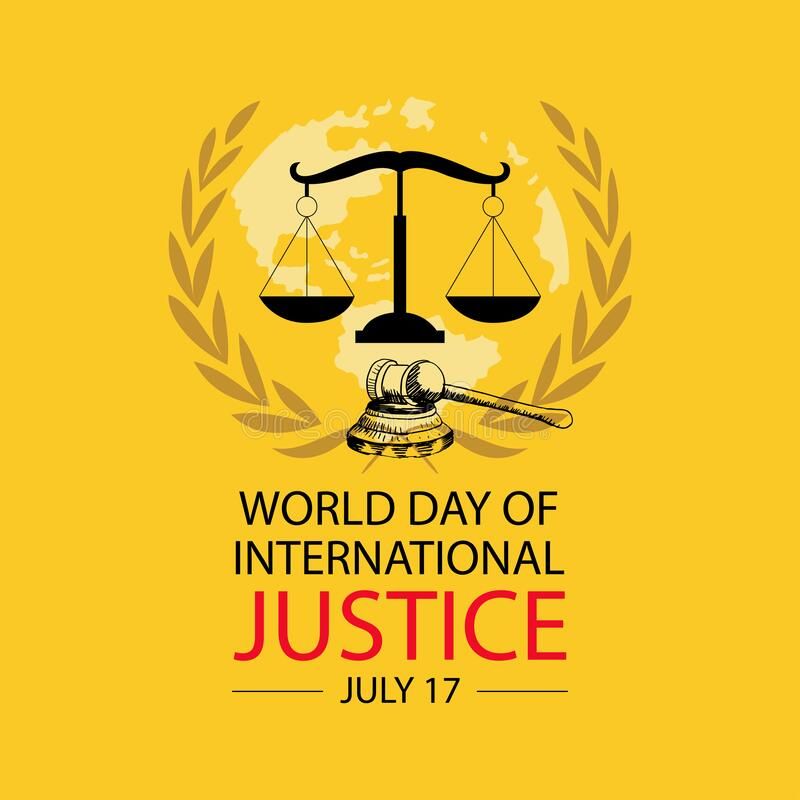
World Day for International Justice, observed on July 17, is one of those important global observances that carries real moral weight. It is not a light or festive occasion, and it is not meant to be treated like a celebration in the usual sense. Instead, it is a day to reflect on accountability, human dignity, human rights, and the idea that justice should not stop at national borders when grave crimes affect humanity as a whole.
The date marks the adoption of the Rome Statute on July 17, 1998, the treaty that established the framework for the International Criminal Court. Because of that historical connection, the day is often associated with international criminal justice, the rule of law, and the ongoing global effort to respond to the most serious crimes through legal accountability rather than silence or impunity. In simple terms, this observance reminds the world that justice matters, even when the crimes are large in scale, politically difficult, or emotionally overwhelming.
That is exactly why the tone for this day should usually be reflective, respectful, and serious. Many people ask whether it is celebratory or reflective, and the best answer is that it is reflective first, with a hopeful undertone. The day is not about cheerful celebration. It is about recognizing the importance of justice, honoring victims and survivors, supporting human dignity, and reaffirming the belief that peace is stronger when it is built on fairness and accountability.
This also explains why workplace messaging for the day should be thoughtful and measured. A workplace respectful message should avoid dramatic language, jokes, or anything that sounds performative. It should focus instead on shared values: dignity, equality, peace, responsibility, and respect for the rule of law. When written carefully, a short message for this day can be meaningful without becoming overly political or emotionally heavy.
Why July 17 matters
To understand the importance of this day, it helps to look at what July 17 represents. The adoption of the Rome Statute was a major moment in the history of international law. It reflected a global effort to create a legal framework for addressing some of the gravest crimes known to humanity, including genocide, crimes against humanity, and war crimes. The broader idea behind this effort was simple but powerful: when unimaginable harm is done, justice should not depend only on whether an individual country is willing or able to act.
This is what gives World Day for International Justice its lasting relevance. It is not only about courts, treaties, or legal institutions. It is also about principles. It is about the belief that human suffering should not be ignored, that victims deserve recognition, and that accountability is part of building a more peaceful world. Justice, in this context, is not only punitive. It is also restorative in spirit. It helps protect memory, affirm truth, and reinforce the idea that human rights are not optional.
For that reason, the day often resonates with people who care about law, public service, diplomacy, education, policy, human rights advocacy, peacebuilding, and ethical leadership. But it should not be seen as relevant only to legal professionals. Ordinary people, schools, communities, nonprofits, and workplaces can all use this day to promote deeper awareness of fairness, equality, and global responsibility.
The right tone for World Day for International Justice
One of the most common questions people have is what tone should be used on this day. The most appropriate answer is clear: use a serious, respectful, and thoughtful tone. This is not the kind of observance that calls for playful social media jokes or casual holiday-style captions. It is better approached with empathy, clarity, and restraint.
That does not mean the writing has to sound cold or academic. In fact, the strongest messages are often the simplest ones. A good message for this day should feel human. It should acknowledge the importance of justice without sounding overly formal. It should be hopeful without becoming shallow. And it should respect the weight of the subject.
This is where many people look for international justice day messages that feel appropriate for cards, posts, team notes, school content, or awareness campaigns. The most effective wording usually includes ideas like accountability, dignity, peace, fairness, global responsibility, and equal human worth. Some people also search for human rights awareness quotes, justice and peace captions, a global equality message, or serious observance wording that does not sound forced. All of those can work, as long as the language remains sincere and respectful.
In practical terms, that means avoiding exaggerated slogans and choosing language that centers values. A message like “Justice strengthens peace when it protects dignity and truth” works far better than something flashy or overly dramatic. The point is not to go viral. The point is to speak with care.
Why this observance still matters today
Even though the day is connected to a specific legal milestone, its meaning goes far beyond one treaty or one institution. It raises larger questions that remain relevant in every era: What does justice look like when harm crosses borders? How should the world respond to mass violence and grave violations? Why does accountability matter for peace? And what kind of global future are we building if victims are forgotten?
These are difficult questions, but that is exactly why the observance matters. It creates space for reflection. It reminds people that justice is not a luxury for stable times. It is a necessity for a humane world. Without accountability, words like peace and rights can become empty. With accountability, they gain force and credibility.
This day also matters because it connects justice with memory. It asks the world not to move on too quickly from suffering. In many international conversations, there is pressure to focus only on diplomacy, recovery, or future cooperation. Those things are important, but justice ensures that truth and responsibility are not erased in the process. Reflection on July 17 helps reinforce the idea that peace and justice are not opposites. In many cases, they support one another.
How to write meaningful messages for the day
When writing a message for World Day for International Justice, keep three things in mind: respect, clarity, and purpose. Respect means acknowledging the seriousness of the day. Clarity means using simple language that does not confuse the reader. Purpose means knowing why you are posting or sharing the message in the first place.
If the message is for social media, keep it concise but thoughtful. If it is for a workplace or institution, keep it neutral, dignified, and values-based. If it is for a school, nonprofit, or awareness campaign, it can be slightly more educational while still remaining readable.
A good message can do one of several things. It can honor the importance of accountability. It can emphasize the link between justice and peace. It can express solidarity with the principles of human rights and equality. Or it can simply encourage reflection on why global justice systems matter.
Here are a few examples of international justice day messages written in an appropriate tone:
“On World Day for International Justice, we reflect on the importance of accountability, dignity, and the shared responsibility to uphold human rights.”
“Justice is essential to peace. Today we recognize the value of fairness, truth, and global responsibility.”
“This July 17, let us remember that lasting peace grows stronger when it is rooted in justice.”
“World Day for International Justice reminds us that every person deserves dignity, and every society is stronger when accountability matters.”
“May this day inspire thoughtful reflection on equality, human rights, and the global pursuit of justice.”
For a workplace respectful message, it is often best to stay especially measured. Here are a few workplace-safe examples:
“We observe World Day for International Justice by reaffirming our shared commitment to dignity, fairness, and respect for human rights.”
“Today is a reminder that justice and peace are strengthened when accountability and human dignity remain at the center of public life.”
“On this important observance, we reflect on the value of fairness, equality, and the rule of law in building a more peaceful world.”
These examples work because they are serious without being overly heavy, and professional without sounding robotic.
Using captions, quotes, and observance wording naturally
For online posts, many people want shorter lines that still feel meaningful. This is where justice and peace captions or human rights awareness quotes often come into play. The key is to choose lines that are simple and grounded. You do not need to sound poetic if the message becomes vague. Straightforward wording is usually more powerful.
Examples of short caption-style lines include:
“Justice protects dignity.”
“No lasting peace without accountability.”
“Human rights matter across every border.”
“Reflection, responsibility, and respect.”
“Justice gives meaning to peace.”
These are not celebratory lines, and that is exactly why they work. They match the spirit of the day. A global equality message for this observance should also avoid sounding generic. Instead of broad phrases that could fit any awareness day, focus on fairness, dignity, and shared humanity.
Serious observance wording is especially useful for organizations, schools, nonprofits, and professional teams. Phrases like “we reflect,” “we reaffirm,” “we recognize,” and “we stand for dignity and accountability” are usually safer and more appropriate than phrases that sound festive. This day calls for reflection, not decoration.
What to avoid
Just as important as what to say is what not to say. Avoid humor, trend-based captions, or language that treats the day like a cheerful festival. Avoid making the message overly dramatic or self-congratulatory. Avoid reducing the observance to a vague inspirational post with no connection to justice at all.
It is also best to avoid wording that sounds careless in a workplace setting. This day is rooted in serious issues, so professionalism matters. A respectful tone does not make the message dull. It makes it credible.
The most meaningful content for July 17 is honest, restrained, and thoughtful. That is what helps the message feel trustworthy and human.
Conclusion
World Day for International Justice on July 17 is a meaningful global observance centered on accountability, human dignity, and the belief that justice matters beyond borders. Because it marks the legacy of the Rome Statute and the broader pursuit of international criminal justice, it should be approached with seriousness, empathy, and hope rather than celebration in the festive sense.
Whether someone is searching for international justice day messages, human rights awareness quotes, justice and peace captions, a global equality message, or workplace respectful wording, the best approach remains the same: keep it simple, sincere, and thoughtful. This is a day to reflect on the value of fairness and the role justice plays in building a more peaceful world. When the wording is respectful and clear, even a short message can carry real meaning.
Want to read a bit more? Find some more of my writings here-
Bastille Day (July 14): History, Meaning, and the Best Bastille Day Messages to Celebrate France
National French Fry Day (July 13): Celebrating the World’s Favorite Crispy Snack
National Ice Cream Day (July 16): Celebrating the Sweetest Day of Summer
I hope you liked the content.
To share your views, you can simply send me an email.
Thank you for being keen readers to a small-time writer.