Introduction
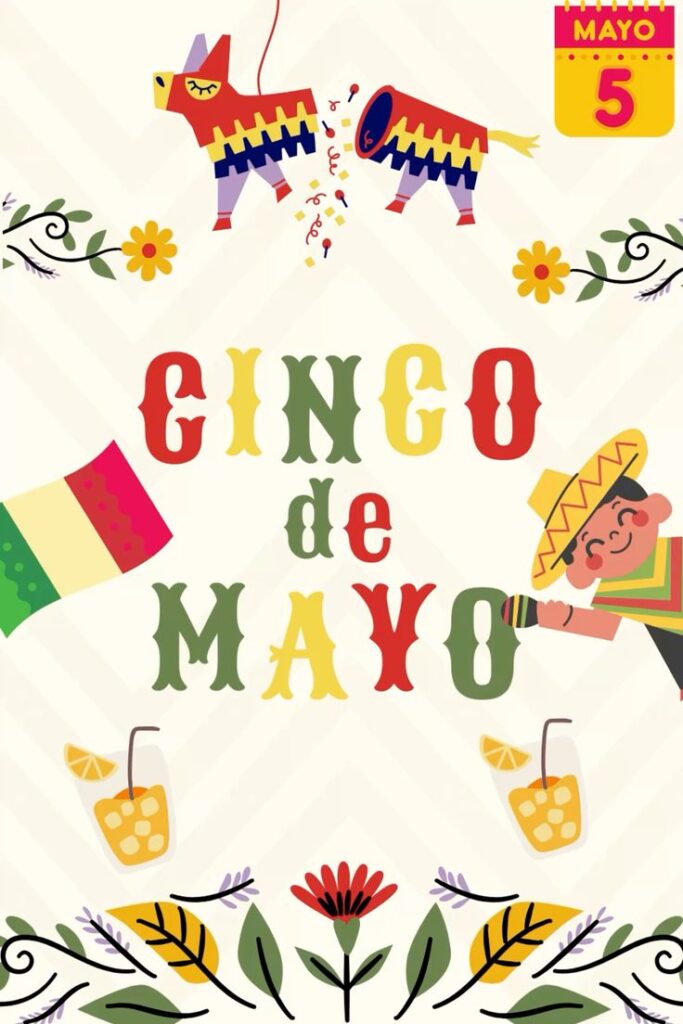
Every year on May 5, people across the United States and parts of Mexico celebrate Cinco de Mayo, a day often associated with colorful parades, delicious food, music, and lively gatherings. Restaurants serve tacos and margaritas, offices host themed lunches, and social media fills with cheerful Cinco de Mayo messages, taco captions, and festive greetings.
However, despite its popularity, many people misunderstand what this holiday actually represents. One of the most common questions people ask is: Is Cinco de Mayo Mexico’s Independence Day? The answer is no. Mexico’s Independence Day is celebrated on September 16, while Cinco de Mayo commemorates a specific historical event—the Battle of Puebla in 1862.
Today, Cinco de Mayo has grown into a cultural celebration that highlights Mexican heritage, resilience, and pride. It’s a day to appreciate history while also enjoying community gatherings, food, music, and respectful celebrations.
In this article, we’ll explore the origins of the holiday, why it matters historically, how it’s celebrated today, and how you can share meaningful Cinco de Mayo greetings, fiesta wishes, and Mexican celebration quotes in a thoughtful and respectful way.
The Historical Meaning of Cinco de Mayo
Cinco de Mayo marks the Mexican army’s victory over French forces at the Battle of Puebla on May 5, 1862.
During the mid-19th century, Mexico was experiencing severe financial difficulties after years of internal conflict. Because of these economic challenges, Mexico temporarily suspended debt payments to several European countries, including France, Spain, and Britain.
While Spain and Britain negotiated settlements and withdrew their forces, France decided to invade Mexico. The French emperor Napoleon III wanted to expand French influence in the Americas and establish a monarchy in Mexico.
In response to the invasion, Mexican forces led by General Ignacio Zaragoza prepared to defend the city of Puebla. Although the Mexican army was smaller and less equipped than the French troops, they managed to defeat the invading forces on May 5, 1862.
The victory at Puebla became a powerful symbol of determination and national pride. Even though the French later occupied Mexico temporarily, the Battle of Puebla represented the courage and resilience of the Mexican people against a powerful empire.
Because of this historical event, May 5 became an important commemorative date, particularly in the region of Puebla.
Is Cinco de Mayo Mexico’s Independence Day?
One of the most common misunderstandings surrounding this holiday is the belief that it marks Mexico’s independence.
In reality:
- Cinco de Mayo celebrates the Battle of Puebla (1862)
- Mexico’s Independence Day is September 16, 1810
Mexican Independence Day commemorates the beginning of the war against Spanish rule, initiated by Miguel Hidalgo’s famous “Grito de Dolores.”
While Cinco de Mayo is historically significant, it is not a national independence celebration. In Mexico, it is primarily observed in Puebla and surrounding regions, where reenactments, parades, and ceremonies honor the battle.
Interestingly, the holiday became far more widely celebrated in the United States, where it evolved into a broader celebration of Mexican culture, heritage, and community.
How Cinco de Mayo Became Popular in the United States
Cinco de Mayo celebrations in the United States began in the 1860s among Mexican-American communities, particularly in California.
At the time, Mexican Americans viewed the Mexican victory at Puebla as a symbol of resistance against imperial power. Over the decades, these early celebrations gradually expanded into cultural festivals featuring music, dancing, traditional clothing, and food.
In the late 20th century, the holiday became even more popular as businesses, restaurants, and cultural organizations began hosting events that highlighted Mexican culture. Today, many cities in the United States organize:
- Street festivals
- Cultural performances
- Food fairs
- Educational events about Mexican history
While the modern celebration is often festive and lively, many communities also emphasize the importance of respecting the historical roots of the day.
How Cinco de Mayo Is Celebrated Today
Cinco de Mayo celebrations combine history, culture, and community gatherings. In Puebla, Mexico, the day is marked with military parades, historical reenactments, and ceremonies honoring General Zaragoza and the soldiers who fought in the battle.
In other places—especially in the United States—the celebration often focuses on Mexican culture and traditions.
Common activities include:
Cultural festivals
Cities often host public events featuring:
- Traditional Mexican music
- Folkloric dance performances
- Art exhibitions
- Educational presentations about Mexican history
These festivals help people appreciate the rich cultural heritage behind the holiday.
Food and culinary traditions
Food is one of the most recognizable elements of Cinco de Mayo celebrations. Restaurants and families prepare traditional dishes such as:
- Tacos
- Enchiladas
- Tamales
- Guacamole
- Mexican rice and beans
Because of this culinary focus, many people share fun taco captions or festive food photos online.
Social gatherings and fiestas
Friends and families often gather for themed parties, sometimes called Cinco de Mayo fiestas. Decorations may include bright colors, papel picado banners, and festive music.
Hosts often send playful party invitation lines such as:
- “Join us for tacos, music, and a festive Cinco de Mayo celebration.”
- “Let’s celebrate with great food and even better company this Cinco de Mayo.”
- “Bring your appetite and your fiesta spirit!”
Cinco de Mayo Messages and Greetings
If you want to acknowledge the day respectfully, sharing thoughtful Cinco de Mayo messages can be a great way to celebrate.
Here are some examples that are friendly, respectful, and appropriate for different settings.
Simple Cinco de Mayo greetings
- “Wishing you a joyful Cinco de Mayo filled with good food, music, and celebration.”
- “Happy Cinco de Mayo! May the day bring festive moments and appreciation for Mexican culture.”
- “Enjoy the colors, flavors, and traditions that make Cinco de Mayo so special.”
Office-safe celebration messages
Workplaces often celebrate the day with small cultural events or themed lunches. In professional settings, it’s best to keep messages respectful and inclusive.
Examples include:
- “Celebrating the spirit of resilience and culture this Cinco de Mayo.”
- “Wishing everyone a festive Cinco de Mayo and a chance to appreciate the rich traditions of Mexico.”
- “May today bring a little extra color, flavor, and celebration to your day.”
These kinds of Cinco de Mayo greetings keep the tone professional while still recognizing the cultural significance of the day.
Fiesta Wishes and Party Invitation Lines
For more casual celebrations or social media posts, people often share fun fiesta wishes and festive captions.
Examples include:
- “Let’s taco ‘bout celebrating Cinco de Mayo!”
- “Good friends, great tacos, and festive vibes—Happy Cinco de Mayo!”
- “Time for a fiesta! Wishing you a colorful and joyful Cinco de Mayo.”
If you’re hosting a gathering, you might include playful party invitation lines like:
- “Join us for tacos, laughter, and a Cinco de Mayo fiesta!”
- “Celebrate Cinco de Mayo with food, music, and fun.”
- “Let’s raise a toast to culture, community, and great food this Cinco de Mayo.”
These cheerful lines capture the festive spirit of the day.
Mexican Celebration Quotes
Sometimes a thoughtful quote can capture the spirit of the holiday.
Here are a few examples of Mexican celebration quotes and cultural appreciation lines that work well in messages or social media captions:
- “Cinco de Mayo reminds us that courage and unity can overcome even the greatest challenges.”
- “Celebrating history, culture, and the vibrant traditions of Mexico.”
- “A day to remember resilience and celebrate heritage.”
These types of quotes highlight the deeper meaning behind the celebration while still keeping the tone warm and festive.
Respectful Ways to Celebrate the Holiday
As the popularity of Cinco de Mayo has grown, many people have also encouraged more thoughtful celebrations.
A respectful approach to the holiday includes:
- Learning about the history of the Battle of Puebla
- Appreciating Mexican traditions, art, and cuisine
- Supporting local Mexican-owned businesses
- Sharing educational content about Mexican heritage
By focusing on culture and history rather than stereotypes, celebrations become more meaningful and inclusive.
Why Cultural Awareness Matters
Cinco de Mayo is a good reminder of how cultural observances can evolve as they spread across different communities.
While the holiday originated from a specific historical event in Mexico, its modern celebration often highlights broader cultural appreciation. Recognizing the true story behind the day helps people celebrate it more thoughtfully.
Sharing informative posts, respectful Cinco de Mayo messages, or educational content can help spread awareness while still enjoying the festive spirit of the day.
Conclusion
Cinco de Mayo is much more than a festive day of tacos and parties. At its core, it commemorates the Mexican victory at the Battle of Puebla in 1862, a moment that symbolizes resilience, determination, and national pride.
Although it is often mistaken for Mexico’s Independence Day, Cinco de Mayo represents a different but equally meaningful chapter in Mexican history. Over time, the holiday has grown into a celebration of culture, heritage, and community—especially in the United States.
Whether you are attending a cultural festival, sharing festive Cinco de Mayo greetings, posting fun taco captions, or sending cheerful fiesta wishes, the best way to celebrate the day is with respect and appreciation for the history behind it.
As readers of Riya’s Blogs know, meaningful celebrations often combine joy with understanding. By remembering the historical roots of Cinco de Mayo and honoring the traditions that make it special, we can enjoy the holiday in a way that is both festive and thoughtful.
So this May 5, take a moment to learn the story, enjoy the flavors and music, and share the spirit of the celebration with friends, family, and your community.
Want to read a bit more? Find some more of my writings here-
International Workers’ Day (May 1): History, Meaning, and Thoughtful Workers Day Messages
Star Wars Day (May 4): Celebrating the Galaxy Far, Far Away with Messages, Quotes, and Geek Humor
I hope you liked the content.
To share your views, you can simply send me an email.
Thank you for being keen readers to a small-time writer.