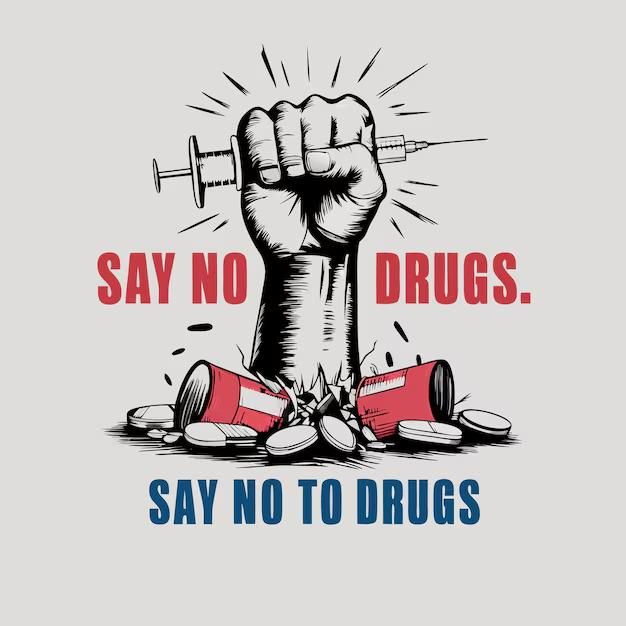
Every year on June 26, the world observes the International Day Against Drug Abuse and Illicit Trafficking, a global awareness day recognized by the United Nations. It is a serious observance that focuses on prevention, education, public health, recovery support, and the long-term impact of drug abuse on individuals, families, and communities.
This is not the kind of occasion people celebrate casually. It is a day meant to encourage reflection, informed conversation, and responsible action. That is exactly why many people look for anti drug abuse day messages, thoughtful awareness captions, and respectful workplace wording around this date. They want to say something meaningful without sounding insensitive, overly dramatic, or vague.
The importance of this observance has only grown over time. Communities across the world continue to face the effects of substance misuse, addiction, illegal drug trafficking, and the social harm that often comes with them. At the same time, conversations around the issue have become more thoughtful. Today, the focus is not only on warning people about risk. It is also on prevention, treatment access, mental health support, family education, and reducing stigma for those seeking help.
This article from Riya’s Blogs explains what the day means, why it matters, what tone to use, and how to approach awareness vs prevention messaging in a way that feels informed and professional.
What Is International Day Against Drug Abuse?
International Day Against Drug Abuse and Illicit Trafficking is observed annually on June 26 to strengthen global action against drug abuse and illegal drug trade. It is a day dedicated to spreading awareness about the harmful effects of substance abuse and promoting healthier, safer communities through education and prevention.
The observance is important because drug abuse is not only a legal or social issue. It is also a major public health concern. Substance abuse can damage physical health, mental wellbeing, relationships, financial stability, and long-term quality of life. It can affect students, professionals, parents, teenagers, and entire communities. No society is fully untouched by it.
That is why June 26 is not only about identifying the problem. It is also about encouraging solutions. Prevention, early intervention, education, support systems, and recovery resources all play an essential role.
Why June 26 Matters More Than Ever
Awareness days can sometimes feel symbolic, but this one carries real weight. The effects of drug abuse often extend far beyond the person using substances. Families may experience emotional stress, children may face instability, schools may see academic and behavioral consequences, and workplaces may deal with safety concerns, absenteeism, or reduced wellbeing among staff.
That is why the message of June 26 matters. It reminds people that prevention is not just a private matter. It is a shared responsibility. Families, educators, healthcare professionals, employers, policymakers, and community leaders all have a role to play in creating safer environments.
The day also encourages public conversations that are often avoided. Many people still feel uncomfortable speaking openly about addiction or substance misuse. In some places, the topic is treated with shame, silence, or judgment. But silence rarely helps prevention. In fact, silence can delay education, hide warning signs, and discourage people from reaching out for help.
A meaningful observance on June 26 helps break that silence. It makes room for facts, empathy, and a more informed approach.
Awareness vs Prevention: What Kind of Message Should You Share?
One of the most common questions people ask is whether the message for June 26 should focus on awareness or prevention. The most effective answer is: both.
An awareness message explains the seriousness of substance abuse and why society should pay attention. A prevention message goes a step further by encouraging action, healthy choices, early education, and support systems that reduce risk.
For example, an awareness-based line might say that substance abuse harms lives and communities. A prevention-based line would add that education, family support, mental health care, and timely intervention can make a real difference. When combined, the message becomes stronger and more useful.
This is why well-written prevention message lines matter. They do not just warn people. They guide them toward responsibility, support, and informed decision-making. The goal is not fear for the sake of fear. The goal is awareness that leads to better choices and safer communities.
What Tone Should Be Used on International Day Against Drug Abuse?
The tone should always be serious, respectful, and compassionate.
This is not a day for cheerful greetings or casual slogans. It is also not a day for judgmental language or exaggerated scare tactics. The most suitable tone is one that communicates concern, responsibility, and humanity.
That means your wording should avoid jokes, slang-heavy phrasing, glamorized references, or anything that makes addiction sound like a character flaw. Addiction and substance misuse are deeply serious issues. They deserve language that reflects care, dignity, and public health awareness.
This is where serious observance wording becomes important. Whether you are drafting a professional article, a poster caption, or a corporate message, the wording should sound measured and thoughtful. For example, saying, “Let us support awareness, prevention, and recovery with empathy,” is far more appropriate than anything that sounds celebratory or casual.
How to Write Anti Drug Abuse Day Messages the Right Way
When people search for anti drug abuse day messages, they are usually looking for wording that sounds sincere and appropriate for the occasion. The best messages usually include three things: awareness, prevention, and compassion.
Awareness reminds people that substance abuse is harmful and widespread. Prevention encourages healthier choices and early support. Compassion recognizes that people affected by addiction deserve dignity, treatment, and understanding.
A thoughtful message might emphasize health, community wellbeing, and the importance of making informed decisions. It might also mention support, recovery, and the value of speaking openly about difficult issues. What it should not do is shame people or reduce a complex issue to a simplistic moral judgment.
A message for this day should ideally feel grounded and responsible. Even short lines can be powerful if they are written well. In that sense, the best anti-drug messaging is not loud. It is clear.
Substance Abuse Awareness Quotes and Why They Matter
Short, meaningful quotes often work well for campaigns, posters, internal newsletters, and social media. The reason is simple: people remember concise language. But on a serious topic, the quote has to be carefully framed.
Good substance abuse awareness quotes should inform or inspire without sounding preachy. They should support awareness while still acknowledging the human reality behind the issue. A strong quote can remind readers that prevention begins with education, that support saves lives, and that recovery should be treated with dignity.
Quotes also help organizations communicate their position clearly. A school may use them in a bulletin board campaign. A workplace may include one in a health and wellness email. A nonprofit may use one in a digital awareness post. In each case, the wording needs to sound respectful and grounded.
This is also why captions and quote-style lines should never use a playful tone on this observance. It is far better to sound calm and thoughtful than catchy in the wrong way.
Workplace Respectful Wording for June 26
Many people specifically search for workplace respectful wording because offices and organizations often mark awareness days through emails, newsletters, intranet posts, or social media updates. In a professional setting, the wording should be formal enough to suit the workplace, but still human enough to feel genuine.
A workplace message should focus on health, prevention, support, and community responsibility. It should not become overly emotional or accusatory. It should also avoid language that may make employees feel singled out or uncomfortable.
This is where simple and direct health awareness captions can be especially useful. A workplace-safe message might center on the importance of education, informed choices, and supportive conversations around wellbeing. It should communicate care without sounding intrusive.
The best professional wording usually emphasizes these points:
drug abuse is a serious public health issue, prevention matters, support systems matter, and respectful conversation is part of building healthier communities.
That kind of tone works well across industries because it is inclusive, clear, and responsible.
Why Prevention Should Be the Core Message
Prevention is one of the most important parts of this observance because it shifts the conversation toward action. It reminds people that awareness is not enough on its own. Communities need practical efforts that reduce harm before it begins.
Prevention can include school education, family communication, youth engagement, mental health support, counseling access, peer education, awareness campaigns, and healthier social environments. It also includes helping people understand risk factors and warning signs early.
This is why prevention-focused messaging often has more long-term value than generic awareness slogans. It gives people something to think about and something to do. It tells them that change is possible, and that healthier outcomes are built through support, information, and consistency.
Strong prevention message lines are useful because they encourage people to act responsibly without sounding overwhelming. They point toward solutions. And on a day like June 26, solutions matter.
How to Use Health Awareness Captions on Social Media
Social media content for this observance should be brief, respectful, and informative. It should not feel trendy or overly polished in a way that weakens the seriousness of the subject. This is a moment for awareness, not performance.
The best health awareness captions for June 26 usually focus on education, prevention, support, and collective responsibility. They may be posted by schools, NGOs, brands, healthcare pages, and workplace wellness teams. In every case, the goal should be the same: say something meaningful, not merely visible.
A good caption on this topic should leave the reader with a clear takeaway. That takeaway might be that prevention begins with awareness, that support matters, or that communities grow stronger when health and safety are taken seriously.
Even when writing for social media, clarity should come before cleverness.
The Role of Compassion in Anti-Drug Messaging
One of the biggest mistakes people make in writing about this day is focusing only on warning language. While warnings are necessary, compassion is equally important.
Substance abuse often intersects with mental health struggles, trauma, isolation, stress, and social pressure. That does not remove personal responsibility, but it does mean the issue is more complex than simple blame. A responsible article or awareness message should acknowledge that reality.
Compassionate messaging does not excuse harmful behavior. It simply recognizes that prevention, treatment, and recovery are more effective when people are met with dignity rather than stigma. This is especially important in public communication, where careless wording can push people further into silence.
The most effective awareness content therefore balances seriousness with empathy. It warns, but it also supports. It educates, but it also humanizes.
Conclusion
International Day Against Drug Abuse and Illicit Trafficking on June 26 is an important global observance that calls for awareness, prevention, and compassion. It is a day to speak responsibly about the dangers of substance abuse while also supporting education, recovery, and healthier communities.
The right message for this day should never sound casual or celebratory. It should be clear, respectful, and prevention-focused. Whether you are writing anti drug abuse day messages, choosing substance abuse awareness quotes, looking for health awareness captions, or drafting serious observance wording for a workplace or school, the goal is the same: communicate with care, clarity, and purpose.
In the end, the strongest message is one that informs people, encourages prevention, and treats every affected life with dignity. That is what makes June 26 meaningful, and that is what makes responsible messaging truly matter.
Want to read a bit more? Find some more of my writings here-
National Onion Rings Day (June 22): Messages, Captions, and Crispy Ways to Celebrate
International Yoga Day (June 21): Meaning, Importance, and the Best Yoga Day Messages to Share
Juneteenth (June 19): Understanding the History, Meaning, and Messages of Freedom Day
I hope you liked the content.
To share your views, you can simply send me an email.
Thank you for being keen readers to a small-time writer.