When you see a dark, fast-moving insect scurrying across your bathroom floor, your first instinct is probably to scream, grab a slipper, or run. But what if I told you that not every creepy crawler is a cockroach? Meet the water bug — a misunderstood aquatic insect that often gets mistaken for its household counterpart.
In this article from Riya’s Blogs, we’re diving deep (pun intended!) into the fascinating world of the water bug — exploring what it is, how it lives, how to tell it apart from a cockroach, and why understanding this bug can make you look twice before calling pest control.
What Exactly Is a Water Bug?
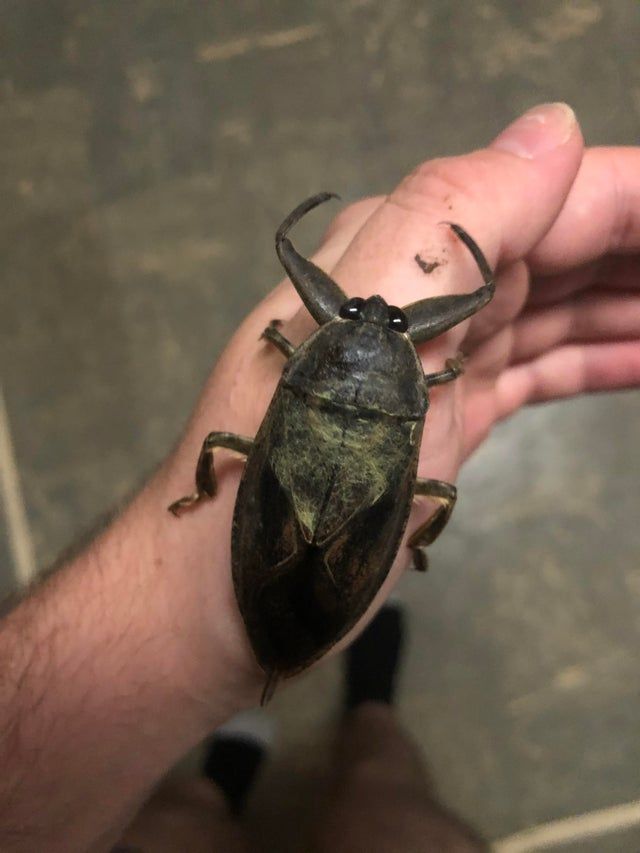
Despite popular belief, the term water bug doesn’t refer to all insects that hang out near water. Scientifically, it’s used to describe several species of aquatic insects that belong to the family Belostomatidae. These are also commonly known as giant water bugs, and they’re part of the order Hemiptera, meaning they are true bugs, not roaches.
These creatures are typically found in freshwater environments like ponds, lakes, and slow-moving streams. Unlike roaches, they don’t sneak into your pantry or nibble on crumbs. Instead, they are predators that feed on small fish, tadpoles, and even other insects. Some have even earned the dramatic nickname “toe-biters” because of their painful bite when handled by humans.
The Great Mix-Up: Water Bug vs. Cockroach
One of the most confusing things about water bugs is that people often use the term interchangeably with “cockroach.” You’ve probably heard someone say, “There’s a huge water bug in my kitchen!” — when in fact, they’re talking about a large American cockroach.
Let’s break down the difference.
| Feature | Water Bug | Cockroach |
| Habitat | Found outdoors in freshwater (ponds, lakes) | Found indoors in warm, damp places (kitchens, basements) |
| Color | Dark brown to black | Reddish-brown or tan |
| Size | 1.5 to 4 inches | 1 to 2 inches |
| Behavior | Bites when threatened | Avoids humans; runs and hides |
| Diet | Carnivorous — eats fish, insects, tadpoles | Omnivorous — eats food scraps, decaying matter |
| Wings | Functional, used for short flights | Functional, but mostly used for gliding |
| Water Affinity | True aquatic insect | Can survive in humid conditions but not aquatic |
So, while both may send chills down your spine, only one is truly a water bug, the other is just a roach trying to ride on the name.
Anatomy of a Water Bug
If you’ve ever spotted one in the wild, you’ll notice that the water bug has a flattened, oval body with a short, pointed beak used for piercing and sucking — much like a mosquito, but on a larger and more powerful scale.
Their hind legs are adapted like paddles, making them excellent swimmers. They glide through the water smoothly, ambushing unsuspecting prey. Their front legs, however, are raptorial — strong and claw-like, perfect for grasping prey tightly.
A water bug’s mouthparts are like tiny syringes: they inject digestive enzymes into their prey to liquefy the insides before sucking it out. Gruesome? Maybe. But it’s also a fascinating survival mechanism straight out of a nature documentary.
Behavior and Diet
Unlike roaches, water bugs are hunters, not scavengers. They don’t just eat whatever’s lying around — they actively stalk their prey.
Here’s what their diet typically includes:
- Tadpoles
- Small fish
- Aquatic insects
- Snails and crustaceans
They inject a venomous saliva into their prey, which paralyzes it and begins digestion externally. Then they suck up the liquefied meal. It’s nature’s version of a horror movie, only underwater.
Interestingly, water bugs are also nocturnal. They prefer to hunt at night and stay hidden during the day, clinging to submerged vegetation. You might occasionally see one flying toward your porch light — that’s just a confused traveler seeking out new waters.
Where Do Water Bugs Live?
Water bugs thrive in freshwater ecosystems — lakes, ponds, marshes, and even rice fields. They need clean or semi-clean water to survive because they rely on oxygen from the surface.
These bugs breathe through snorkel-like tubes that extend from their abdomen to the water’s surface, allowing them to stay submerged for long periods while still taking in air. When winter arrives, many species burrow into the mud at the bottom of ponds to hibernate until the temperature rises again.
Do Water Bugs Bite Humans?
Yes, and you definitely don’t want to experience it. While water bugs aren’t aggressive toward humans, they will bite in self-defense if handled. Their bite is known to be one of the most painful among insects — often compared to a bee sting or worse.
The bite isn’t venomous or dangerous, but it can cause:
- Swelling and redness
- Burning sensation
- Temporary pain and numbness
If you ever find yourself bitten by a water bug, wash the area with soap and water, apply an ice pack, and use an over-the-counter pain reliever if necessary.
Why Do People Confuse Water Bugs with Roaches?
Because the American cockroach (Periplaneta americana) is sometimes nicknamed “water bug” — especially in the southern U.S. and humid regions. This mislabeling happened because these roaches often come from sewers and drains, making them appear like aquatic insects.
However, real water bugs:
- Don’t infest homes
- Don’t spread diseases
- Don’t reproduce indoors
So, next time you see a shiny brown insect in your bathroom, check carefully — it might be a roach, not a true water bug.
The Role of Water Bugs in the Ecosystem
While their appearance may give you the creeps, water bugs play a crucial role in maintaining the balance of freshwater ecosystems.
Here’s why they’re important:
- Predators of pests: They help control mosquito larvae and other aquatic insects.
- Food for others: Fish, birds, and amphibians rely on them for sustenance.
- Bioindicators: The presence of water bugs often indicates a relatively healthy aquatic environment, as they can’t thrive in heavily polluted waters.
Nature’s food chain depends on creatures like these — even the creepy ones.
Reproduction and Life Cycle
Water bugs have a fascinating reproductive process. Males and females mate in the water, and the female lays her eggs either on aquatic vegetation or sometimes — in certain species — on the back of the male!
Yes, you read that right. The male carries the eggs on his back until they hatch, constantly ensuring they’re aerated and safe. This unique display of paternal care is rare in the insect world and is one of the most endearing (and surprising) aspects of water bug behavior.
The eggs hatch into nymphs, which look like miniature adults but without wings. Over several molts, they grow larger until they reach maturity, usually within a few months.
Can Water Bugs Invade Homes?
While true water bugs prefer outdoor habitats, they may occasionally enter homes, especially if your house is near a pond, pool, or other water source. They’re attracted to light and moisture, so you might see one near your porch light or in a damp basement.
But don’t worry — they’re not interested in your leftovers or garbage. If you find one indoors, it probably flew in by accident. Gently capture it using a jar and release it outside near a water source.
Water Bug vs. Other Aquatic Insects
It’s easy to confuse the water bug with other aquatic creatures like water striders or backswimmers. However, each has unique features:
- Water Striders: Skim the surface of the water and feed on insects trapped in surface tension.
- Backswimmers: Swim upside down and can also bite humans.
- Water Scorpions: Long and stick-like, with pincers resembling scorpion claws.
Out of all these, the giant water bug is the largest and most formidable hunter — a true apex predator in its tiny ecosystem.
How to Prevent Water Bugs Around Your Home
If you’re seeing too many water bugs near your property, there are a few simple steps to discourage them:
- Reduce standing water — Empty buckets, birdbaths, and stagnant pools.
- Keep outdoor lights minimal — They’re attracted to bright lights at night.
- Maintain pools and ponds — Clean debris regularly.
- Seal windows and doors — Prevent them from flying indoors.
- Trim vegetation — Overgrown plants near water sources can shelter them.
Remember, they’re not pests like roaches; they’re simply exploring their surroundings.
Fun Facts About Water Bugs
- Some species can play dead when threatened.
- Their bites have been recorded as powerful enough to draw blood in rare cases.
- They are sometimes called “toe-biters” in folklore.
- In some Asian countries, giant water bugs are considered delicacies and are eaten fried or roasted!
- Male water bugs are incredibly attentive fathers — carrying eggs until they hatch.
These quirks make the water bug a fascinating blend of ferocity, survival instinct, and parental care.
Water Bugs in Pop Culture
Because of their eerie appearance and dramatic name, water bugs have occasionally appeared in documentaries, horror stories, and nature shows. They’re often misunderstood villains, but to biologists and nature enthusiasts, they’re just part of the planet’s complex and beautiful biodiversity.
Some species are even featured in science exhibits or used in biology education to demonstrate aquatic ecosystems.
Final Thoughts: A Misunderstood Creature of the Waters
While the water bug might look terrifying at first glance, it’s an incredible insect that deserves respect, not disgust. It’s a natural predator, a patient father, and a crucial link in the freshwater food chain.
Next time you spot one by a pond or pool, take a moment to observe — from a safe distance, of course. You’ll see an elegant hunter, a survivor, and a tiny piece of nature’s intricate design.
At Riya’s Blogs, we love exploring these often-overlooked creatures that remind us that the world’s beauty lies not only in butterflies and flowers but also in the mysterious shadows of ponds and streams — where the mighty water bug reigns.
Want to read a bit more? Find some more of my writings here-
Why Project Hail Mary Still Captivates — A Journey Worth Revisiting
50 Comfort Quotes That Feel Like a Warm Hug on a Cold Day
Vitamin A: The Glow, Growth, and Guardian Nutrient You Can’t Live Without
I hope you liked the content.
To share your views, you can simply send me an email.
Thank you for being keen readers to a small-time writer.