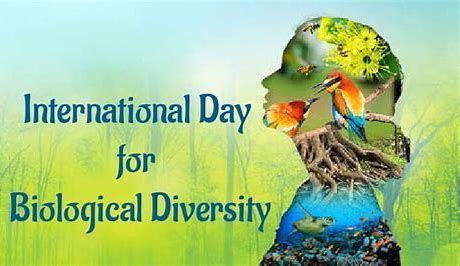
Every year on May 22, the world marks the International Day for Biological Diversity—a day that sounds scientific, but is actually very human. It’s about the food on our plates, the medicines in our cabinets, the clean water we rely on, and the stability of the climate we keep talking about. It’s also about wonder: coral reefs, rainforests, deserts, wetlands, grasslands, and the millions of living species that make Earth… Earth.
This article on Riya’s Blogs is meant to keep things simple, practical, and meaningful—so you can understand what Biodiversity Day is, why it matters, and how to share the right kind of message (awareness and action).
What Is Biodiversity Day, and Why Is It on May 22?
Biodiversity is short for biological diversity, and it means the variety of life at three levels:
- Diversity within species (genetic diversity) – like different varieties of rice, or breeds of cattle, or genetic differences that help species survive diseases.
- Diversity between species – plants, animals, fungi, bacteria, and everything in between.
- Diversity of ecosystems – forests, oceans, rivers, wetlands, mountains, grasslands, and even urban green spaces.
The United Nations observes International Day for Biological Diversity on May 22 because May 22, 1992 is associated with the adoption of the text of the Convention on Biological Diversity (CBD)—a landmark global agreement focused on conserving biodiversity, using it sustainably, and sharing benefits fairly (for example, benefits from genetic resources used in medicines or agriculture).
So when people ask, “What is Biodiversity Day?”—a clear answer is:
It’s a global reminder that nature is not “outside” our lives. Nature is the system that supports our lives.
Why Biodiversity Matters (More Than We Realize)
A lot of environmental topics feel distant until they hit daily life. Biodiversity is the opposite—it’s quietly working for us all the time.
1) Biodiversity supports our food
- Pollinators like bees, butterflies, birds, and bats help many crops reproduce.
- Healthy soil is full of microbes and organisms that recycle nutrients and help plants grow.
- Ocean biodiversity supports fisheries and coastal livelihoods.
When biodiversity declines, food systems become more fragile. Fewer species and fewer varieties means higher risk from pests, diseases, droughts, and market shocks.
2) Biodiversity supports health and medicine
Many medicines are inspired by or derived from natural compounds. Even when a medicine is fully synthetic today, the idea often came from studying nature. Biodiversity also helps regulate diseases in complex ways—healthy ecosystems can reduce certain disease risks, while damaged ecosystems can increase them.
3) Biodiversity helps stabilize the climate
Forests, wetlands, oceans, and grasslands store carbon. They also shape rainfall, reduce heat, and protect coastlines. Protecting biodiversity isn’t separate from climate action—it’s a powerful part of it.
4) Biodiversity supports clean water and disaster protection
- Wetlands act like natural water filters.
- Mangroves and coral reefs reduce storm damage.
- Forests reduce erosion and landslide risk.
This is why an earth preservation message isn’t just poetic—it’s practical. Protecting nature is protecting infrastructure we didn’t have to build.
What’s Threatening Biodiversity Today?
It’s easy to think biodiversity loss is “sad but unavoidable.” It isn’t. The biggest drivers are human-made, which means they’re human-solvable.
Global biodiversity assessments (including IPBES) commonly highlight five major direct drivers:
- Land and sea use change
Deforestation, habitat fragmentation, draining wetlands, and converting diverse ecosystems into single-use areas. - Overexploitation of species
Overfishing, illegal wildlife trade, and unsustainable hunting or harvesting. - Climate change
Rising temperatures, ocean warming, coral bleaching, shifting rainfall patterns, extreme weather. - Pollution
Plastics, pesticides, chemical runoff, air pollution, and nutrient pollution that creates “dead zones” in water bodies. - Invasive alien species
Species moved by human activity that disrupt ecosystems where they don’t naturally belong.
Here’s the important part: biodiversity loss isn’t just about “rare animals far away.” It affects farms, cities, coastlines, public health, and economies. That’s why environmental sustainability lines are not “extra”—they’re part of responsible living.
Awareness vs Action: What Should Your Biodiversity Day Message Say?
A common question is: “Awareness vs action message—what’s better?”
The best answer is: combine both.
Awareness-only message (good start)
- “Biodiversity matters. Protect nature.”
Action-forward message (more powerful)
- “Biodiversity matters—so today I’m planting native flowers, cutting plastic use, and supporting a local conservation group.”
The sweet spot (awareness + action + invitation)
- “On International Day for Biological Diversity, let’s protect what protects us. Pick one small action today—plant native, reduce waste, support wildlife conservation, or learn about local ecosystems.”
People don’t need guilt. They need clarity and one doable next step.
Simple Ways to Celebrate Biodiversity Day (That Actually Help)
You don’t need a big event to make a real impact. Here are simple, realistic actions—choose what fits your life.
1) Make your home “biodiversity-friendly”
- Plant native plants (they support local insects and birds better than many decorative exotics).
- Avoid pesticides where possible—especially broad-spectrum sprays.
- Add a small water source (even a shallow dish) for birds/insects, kept clean.
2) Reduce the pressures you control
- Carry a reusable bottle/bag.
- Reduce food waste (food waste means wasted land, water, and energy).
- Choose sustainable products when you can (certified seafood/wood, responsible brands).
3) Support conservation in your community
- Join a local cleanup.
- Donate to reputable wildlife or habitat organizations.
- Share volunteer opportunities with friends.
4) Learn your local biodiversity
Try a citizen science app, visit a nature park with curiosity, or learn the names of 10 local species (trees, birds, butterflies). When you can name life around you, you start valuing it differently.
5) Bring biodiversity into workplaces and schools
A workplace-friendly approach is:
- A short awareness note + one action pledge
- A team challenge (plastic-free lunch, native plant drive, local park visit)
- A mini session on biodiversity and everyday choices
These are easy, non-political, and inclusive.
Biodiversity Day Messages, Captions, and Quotes (Ready to Use)
Below are biodiversity day messages you can post, text, or use in a speech—balanced between warm, professional, and action-based. I’m also including protect wildlife quotes, nature conservation captions, environmental sustainability lines, and an earth preservation message style set so you can match your tone.
Biodiversity Day messages (general)
- “Happy International Day for Biological Diversity! Nature supports every part of our lives—let’s protect it with real actions, not just words.”
- “Biodiversity is life’s safety net. The more we protect it, the more resilient our future becomes.”
- “Today is a reminder: saving nature isn’t a hobby—it’s a responsibility.”
- “Biodiversity isn’t only about wildlife. It’s about our food, health, water, and climate.”
- “Let’s celebrate May 22 by choosing one small action that helps nature thrive.”
Awareness + action messages (stronger posts)
- “On Biodiversity Day, I’m making one change: less waste, more mindful choices, and more support for conservation.”
- “If we want a healthy future, we need healthy ecosystems. Today I’m committing to protect biodiversity in daily life.”
- “Protect what protects you: forests, oceans, wetlands, pollinators, and the life we often take for granted.”
- “Biodiversity is not optional—it’s essential. Let’s act like it.”
- “A cleaner planet starts with everyday decisions. Let’s make them count.”
Protect wildlife quotes (short, shareable)
- “Protect wildlife, protect balance.”
- “Wildlife belongs in the wild—and the wild belongs in our future.”
- “When wildlife thrives, ecosystems survive.”
- “Protecting wildlife is protecting life.”
- “Let’s be the generation that gives nature space to breathe.”
Nature conservation captions (Instagram-friendly)
- “Small steps. Big impact. 🌿”
- “Let nature be loud, wild, and free.”
- “More trees, fewer excuses.”
- “Keep Earth beautiful—naturally.”
- “Biodiversity is the real luxury.”
Environmental sustainability lines (workplace-friendly)
- “Sustainability starts with protecting the systems that sustain us.”
- “Healthy ecosystems are essential infrastructure for our communities.”
- “Protecting biodiversity strengthens food security, health, and climate resilience.”
- “Let’s turn awareness into measurable action.”
- “A sustainable future depends on thriving nature.”
Earth preservation message (heartfelt + universal)
- “Earth doesn’t need perfect people—just more people who care and act.”
- “Preserve Earth not only for tomorrow, but for every living thing today.”
- “We don’t inherit nature from the past—we protect it for the future.”
- “Let’s live like the planet is priceless—because it is.”
- “May 22 is a reminder: we are part of nature, not separate from it.”
Short eco captions (requested style)
- “Protect biodiversity. Protect life.”
- “Nature is home.”
- “Keep it green. Keep it alive.”
- “Every species matters.”
- “Act for Earth—today.”
Conclusion
The International Day for Biological Diversity (May 22) is more than a calendar event—it’s a reality check and a chance to reset our relationship with the natural world. Biodiversity is the foundation under our feet: it feeds us, heals us, protects us from extremes, and keeps ecosystems functioning in ways we rarely notice until something breaks.
If you’re sharing biodiversity day messages, try to pair them with one clear step—because the most effective awareness leads somewhere. Post a caption, share a protect wildlife quote, add a nature conservation caption, and include one practical action your audience can copy today. That’s how Biodiversity Day becomes more than a post—it becomes progress.
Want to read a bit more? Find some more of my writings here-
National Pick Strawberries Day (May 20): A Sweet, Simple Celebration of Farm-Fresh Joy
World Bee Day (May 20): Why Bees Matter, What Threatens Them, and What You Can Do Today
I hope you liked the content.
To share your views, you can simply send me an email.
Thank you for being keen readers to a small-time writer.