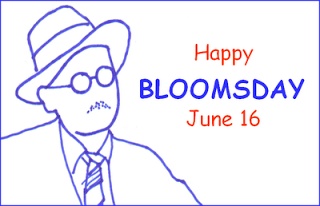
Every year on June 16, literature lovers around the world celebrate Bloomsday, a unique cultural observance dedicated to the legendary Irish writer James Joyce and his groundbreaking novel Ulysses. Unlike many literary commemorations, Bloomsday is not simply about remembering an author—it is about re-living an entire fictional day.
The celebration recreates the events of Ulysses, which famously unfold over the course of a single day in Dublin, Ireland, on June 16, 1904. Readers, scholars, and fans gather to retrace the footsteps of the novel’s protagonist Leopold Bloom, reading passages, performing dramatic scenes, and sharing Bloomsday messages that honor Joyce’s enduring literary legacy.
Bloomsday has evolved into a vibrant international festival of storytelling, creativity, and appreciation for modernist literature. From Dublin’s lively streets to book clubs across the world, the day reminds readers of the power of words, imagination, and the lasting impact of great literature.
What Is Bloomsday?
Bloomsday commemorates the life and work of James Joyce, particularly his masterpiece Ulysses, one of the most influential novels of the 20th century.
Published in 1922, Ulysses follows the everyday experiences of Leopold Bloom as he moves through Dublin over the course of a single day. Joyce used innovative narrative techniques such as stream of consciousness, symbolism, and rich linguistic experimentation to portray ordinary life in extraordinary detail.
The day itself—June 16, 1904—was significant to Joyce personally. It was the date of his first outing with Nora Barnacle, who later became his lifelong partner and wife. Joyce immortalized that day by setting the entire novel within it.
Today, Bloomsday celebrations recreate the journey described in the novel. Participants walk through Dublin landmarks mentioned in the book, enjoy readings of James Joyce Ulysses quotes, and share literary celebration captions across social media and literary gatherings.
The Origins of the Bloomsday Celebration
Bloomsday was first celebrated in 1954, fifty years after the fictional events of Ulysses. A group of Irish writers and intellectuals—including Patrick Kavanagh and Brian O’Nolan—organized a day-long journey through Dublin following Bloom’s route from the novel.
They visited locations featured in the story, read passages aloud, and celebrated Joyce’s contribution to literature. What began as a small tribute gradually evolved into a global literary tradition.
Today, Bloomsday events are held in:
- Ireland
- The United States
- Canada
- Australia
- Italy
- Hungary
- Japan
- And many other countries
Universities, libraries, book clubs, and cultural organizations host readings, performances, and discussions celebrating Irish literature appreciation lines and Joyce’s revolutionary storytelling.
Why Ulysses Is So Important
To understand Bloomsday fully, it helps to understand why Ulysses remains such an important work.
Joyce’s novel transformed modern literature by exploring the inner thoughts of characters in real time. Instead of traditional storytelling, Joyce experimented with language, narrative structure, and symbolism.
Some reasons why Ulysses remains influential include:
- Revolutionary storytelling techniques
Joyce used stream-of-consciousness narration to show how people think and experience the world internally. - Detailed depiction of everyday life
The novel focuses on ordinary events—walking through the city, conversations, meals—but reveals deep emotional and philosophical meaning within them. - Cultural and historical significance
The story captures the atmosphere of Dublin at the beginning of the 20th century, preserving its streets, culture, and daily life.
Because of its complexity and innovation, Ulysses is often studied in universities and celebrated through book lover messages shared during Bloomsday.
How Bloomsday Is Celebrated
Bloomsday celebrations range from intimate book discussions to large cultural festivals.
Literary Readings and Performances
One of the most common ways people celebrate is by reading passages from Ulysses. Actors, writers, and literature enthusiasts perform dramatic readings of famous scenes and share James Joyce Ulysses quotes that highlight the novel’s wit and insight.
Walking Tours in Dublin
In Dublin, Bloomsday becomes a lively cultural event. Participants retrace Leopold Bloom’s route across the city, visiting iconic locations mentioned in the book.
Some famous Bloomsday stops include:
- Sandycove Martello Tower
- Davy Byrne’s Pub
- Eccles Street
- Glasnevin Cemetery
Visitors often dress in Edwardian-style clothing to recreate the time period in which the novel takes place.
Food and Cultural Traditions
Some celebrations even recreate the meals described in Ulysses. Fans gather in cafes or pubs to enjoy traditional Irish dishes while sharing Irish literature appreciation lines and discussing the novel’s themes.
Academic Discussions
Universities and literary societies host lectures, workshops, and panel discussions exploring Joyce’s work and influence on modern literature.
These events encourage deeper understanding of Joyce’s writing and inspire readers to revisit the novel with fresh perspectives.
Bloomsday Messages and Literary Celebration Captions
Bloomsday is also a time for readers to share thoughtful reflections about literature and storytelling. Many people post Bloomsday messages or literary celebration captions that express appreciation for Joyce and the written word.
Here are some examples of Bloomsday-inspired lines:
- “On Bloomsday, we celebrate the beauty of everyday moments transformed into literature.”
- “Walking through Dublin or through the pages of Ulysses, Bloomsday reminds us that stories live everywhere.”
- “Every reader becomes part of Leopold Bloom’s journey on June 16.”
- “Bloomsday is a celebration of imagination, language, and the power of storytelling.”
- “Today we honor James Joyce and the timeless magic of literature.”
These simple messages help spread awareness of the celebration and encourage others to explore classic works of literature.
Can You Quote James Joyce on Bloomsday?
Yes, quoting James Joyce—especially lines from Ulysses—is a common and meaningful way to celebrate Bloomsday.
Many readers share short passages or famous James Joyce Ulysses quotes to highlight the brilliance of Joyce’s writing.
Some memorable examples include:
“Think you’re escaping and run into yourself. Longest way round is the shortest way home.”
“History, Stephen said, is a nightmare from which I am trying to awake.”
“Love loves to love love.”
These quotes capture Joyce’s unique style—philosophical, playful, and deeply reflective. When sharing them, it is always best to credit the author and the novel.
Bloomsday in the Modern World
Over time, Bloomsday has expanded beyond Dublin and become a global literary celebration.
Digital platforms and online communities now allow readers worldwide to participate. Virtual readings, podcasts, and online book clubs make it easier for people to connect through literature.
Social media also plays a role in spreading book lover messages and encouraging younger audiences to explore classic works.
For many readers, Bloomsday serves as a reminder that literature is not just about reading books—it is about experiencing stories together.
Why Bloomsday Still Matters Today
In an era dominated by fast-paced media and digital entertainment, Bloomsday highlights the enduring importance of thoughtful storytelling.
James Joyce’s work encourages readers to slow down and observe the world closely. Through Ulysses, he demonstrated that even the smallest details of daily life can hold profound meaning.
Bloomsday also celebrates:
- The power of literature to connect people across cultures
- The importance of preserving literary history
- The joy of reading and discussing great books
These values remain just as relevant today as they were when Joyce wrote his novel more than a century ago.
As highlighted in literary discussions on platforms like Riya’s Blogs, celebrations such as Bloomsday remind readers that literature continues to shape our understanding of life, identity, and human experience.
Conclusion
Bloomsday is more than a tribute to a single novel—it is a celebration of literature, creativity, and cultural heritage.
By honoring James Joyce and his masterpiece Ulysses, readers around the world come together to appreciate storytelling in its most imaginative form. Through readings, discussions, and shared Bloomsday messages, the day keeps Joyce’s legacy alive while inspiring new generations of book lovers.
Whether you are walking the streets of Dublin, reading a passage from Ulysses, or sharing literary celebration captions online, Bloomsday offers a meaningful reminder: great literature never fades—it continues to spark curiosity, conversation, and inspiration.
And every year on June 16, readers everywhere take part in that ongoing story. 📚
Want to read a bit more? Find some more of my writings here-
Flag Day (USA) — June 14: History, Meaning, and Respectful Ways to Celebrate
World Elder Abuse Awareness Day (June 15): What It Means, Why It Matters, and What to Say
I hope you liked the content.
To share your views, you can simply send me an email.
Thank you for being keen readers to a small-time writer.