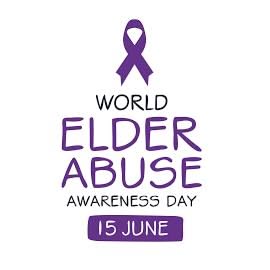
Every year on June 15, communities around the world observe World Elder Abuse Awareness Day (WEAAD)—a day dedicated to speaking up about a problem that is too often hidden behind closed doors: abuse, neglect, and exploitation of older adults. On Riya’s Blogs, this kind of observance matters because it’s not just an “awareness” topic—it’s about dignity, safety, and the simple truth that everyone deserves to age without fear.
The tone of this day is serious, respectful, and action-oriented. It’s not a “Happy” kind of occasion. It’s closer to how we speak on health and safety observances: calm, compassionate, and clear. People often ask: What is World Elder Abuse Awareness Day? What’s the appropriate tone? Can I post a short awareness caption? Yes—you can, and you should—but the message should always center respect, support, and protection.
What is World Elder Abuse Awareness Day?
WEAAD is a global observance that calls attention to the harm older adults may face in homes, communities, and care settings. The day is widely associated with global public health and human rights efforts, and it emphasizes that elder abuse is not “private family matter”—it’s a public concern that affects health, wellbeing, and dignity.
At its core, WEAAD encourages people to:
- Recognize what elder abuse looks like
- Talk about it without shame or silence
- Prevent it through stronger support systems
- Report and respond when abuse is suspected
Many organizations also mark the day by wearing purple, hosting awareness events, sharing helpline information, and promoting respectful, age-inclusive communities.
Why this day matters (more than we think)
Elder abuse is often underreported because older adults may fear:
- retaliation
- losing family relationships
- being moved to a facility
- not being believed
- embarrassment, shame, or social stigma
In some cases, older adults may depend financially or physically on the very person harming them. That power imbalance makes abuse harder to detect and harder to stop.
From a health perspective, elder abuse is linked with serious outcomes:
- injuries and chronic pain
- anxiety, depression, and trauma
- worsening of existing medical conditions
- malnutrition and dehydration
- increased risk of hospitalization and even early death
So when you share elder abuse awareness day messages, you’re not just posting a line—you’re helping normalize a conversation that can literally save lives.
What counts as elder abuse?
Elder abuse isn’t only physical harm. It includes any act—or failure to act—that causes harm or distress to an older person, especially within a relationship where trust is expected (family member, caregiver, institution, or someone handling finances).
Common types include:
1) Physical abuse
Hitting, pushing, restraining, rough handling, or misuse of medication.
2) Emotional or psychological abuse
Insults, threats, humiliation, intimidation, isolation, controlling behavior, or constant criticism.
3) Financial abuse (exploitation)
Misusing money, pressuring someone to sign documents, stealing, fraud, scamming, or controlling access to funds.
4) Neglect
Failing to provide basic needs such as food, hygiene, medical care, safe housing, or supervision—whether intentional or due to caregiver burnout.
5) Sexual abuse
Any non-consensual sexual contact or behavior.
6) Institutional abuse
Poor care, neglect, or harmful practices in nursing homes, hospitals, or other care facilities.
It’s important to say this clearly: elder abuse can happen in any family, income level, or community. It is not limited to one country, culture, or “type” of household.
Warning signs people often miss
Some signs are obvious, but many are subtle—especially when an older adult is trying to “keep the peace.” Look for patterns rather than one-off moments.
Possible physical signs
- unexplained bruises, burns, fractures
- repeated injuries with vague explanations
- signs of restraint (marks on wrists/ankles)
- sudden decline in mobility or confidence
Possible emotional/behavioral signs
- withdrawal, fearfulness, unusually quiet behavior
- depression, anxiety, trouble sleeping
- flinching or seeming nervous around a particular person
- being prevented from speaking privately
Possible neglect signs
- poor hygiene, dirty clothing, bedsores
- unsafe living conditions
- lack of needed glasses/hearing aids/medications
- dehydration or malnutrition
Possible financial abuse signs
- unpaid bills despite adequate income
- unusual bank withdrawals or sudden “new friend” involvement
- missing belongings
- pressure to change wills, property papers, or power of attorney
If you notice these signs, you don’t need “absolute proof” to take the next step. You need concern + common sense + a safe approach.
Why elder abuse happens (and why prevention is possible)
Elder abuse often grows out of:
- caregiver stress and lack of support
- untreated mental health or substance use issues
- financial dependence or greed
- social isolation (older adults living alone or cut off)
- ageism—when people treat seniors as “less important”
- lack of awareness about boundaries, consent, and dignity
Prevention isn’t only about punishment. It’s also about building protective environments:
- regular check-ins and social connection
- caregiver training and respite support
- clear financial safeguards
- age-inclusive communities and respectful language
- accessible reporting systems and quick response
Even small changes—like ensuring an older adult has private time to speak with a doctor—can reduce risk.
What you can do on June 15 (and beyond)
You don’t have to be a professional to make a difference. Here are practical actions that matter:
- Check in: A call, visit, or message can break isolation.
- Listen seriously: If an older adult hints at harm, don’t dismiss it as “family drama.”
- Offer choices, not commands: Safety planning works best when the person feels respected and in control.
- Support caregivers: Encourage rest, counseling, and community support. Burnout is real.
- Watch for scams: Help seniors recognize suspicious calls, links, and “urgent” money requests.
- Create safe moments: Ask questions when the caregiver is not present.
- Know reporting options: Learn local services in your area (health authorities, social services, elder helplines, legal aid). If there’s immediate danger, contact emergency services.
If you’re sharing a health awareness message, it helps to include one practical line: “If you suspect elder abuse, reach out to local support services or trusted authorities.”
Appropriate tone: what to say (and what not to say)
Appropriate tone for WEAAD:
- respectful
- supportive
- serious observance wording
- focused on protection and dignity
Avoid:
- “Happy World Elder Abuse Awareness Day”
- jokes, sarcasm, or overly casual language
- blaming older adults (“Why didn’t they speak up?”)
- sensational details that could shame survivors
Elder abuse awareness day messages (short, workplace-safe, and social-friendly)
Below are options you can post or share. These include senior protection quotes, respect elders captions, and serious wording that fits a professional setting.
Short awareness captions
- “June 15 is World Elder Abuse Awareness Day. Respect. Protect. Speak up.”
- “Elder abuse is a public health issue—and it’s preventable.”
- “Safety and dignity should come with age, not disappear.”
- “Let’s build communities where seniors feel safe, heard, and valued.”
- “If you suspect elder abuse, don’t ignore it—reach out for help.”
Serious workplace wording
- “Today we recognize World Elder Abuse Awareness Day and reaffirm our commitment to dignity, safety, and respect for older adults.”
- “Elder abuse can be physical, emotional, financial, or neglect. Awareness is the first step to prevention.”
- “A respectful culture includes how we treat our seniors—at home, at work, and in our communities.”
- “Let’s support caregivers, reduce isolation, and speak up when something feels wrong.”
Senior protection quotes
- “Protecting seniors is protecting our future selves.”
- “Aging deserves respect, not exploitation.”
- “Dignity is not a privilege—it’s a right at every age.”
- “Silence protects abuse. Awareness protects people.”
- “Care should never come with control.”
Respect elders captions
- “Respect elders. Reject abuse.”
- “A little patience is a big kind of love.”
- “Honor their years. Protect their peace.”
- “Let seniors age with dignity, not fear.”
- “Respect is the simplest form of protection.”
If you want a slightly more emotional, supportive message
- “To every older adult: you deserve safety, respect, and kindness—always.”
- “If you’re experiencing harm, you’re not alone. Help exists, and you deserve it.”
How to make your post more helpful (without making it heavy)
A strong awareness post usually has:
- One clear fact (elder abuse exists in many forms)
- One compassionate line (seniors deserve dignity and safety)
- One action step (check in, learn signs, share local resources)
Example:
“World Elder Abuse Awareness Day (June 15) reminds us that abuse can be physical, emotional, financial, or neglect. Seniors deserve dignity and safety. Check in on an older adult today—and speak up if something seems wrong.”
That’s simple, respectful, and effective.
Conclusion
World Elder Abuse Awareness Day (June 15) is a reminder that elder abuse is real, often hidden, and deeply harmful—but also preventable. The most powerful response is not a perfect speech; it’s a consistent culture of respect: noticing signs, reducing isolation, supporting caregivers, protecting finances, and speaking up early.
If you share elder abuse awareness day messages, choose language that reflects the purpose of the day: serious observance wording, compassion, and practical protection. Because aging should come with more care and more dignity—not more vulnerability.
Want to read a bit more? Find some more of my writings here-
Flag Day (USA) — June 14: History, Meaning, and Respectful Ways to Celebrate
National Iced Tea Day (June 10): A Refreshing Little Holiday for Tea Lovers Everywhere
I hope you liked the content.
To share your views, you can simply send me an email.
Thank you for being keen readers to a small-time writer.